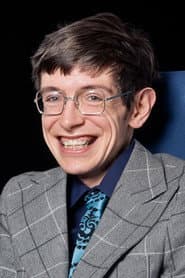
Stephen Hawking
Self
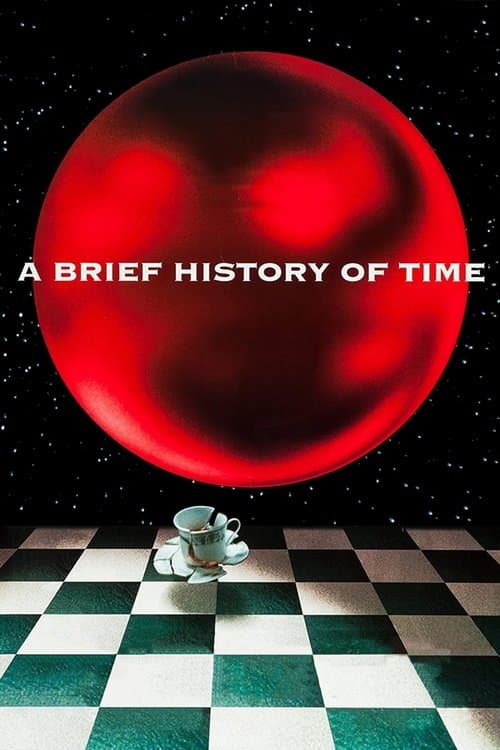
“A Brief History of Time (1991) is a 1990s international documentary that stages Stephen Hawking's scientific life alongside the bodily decline of ALS through interviews and archival material. It frames the core conflict between public understanding of theoretical physics and the private experience of illness using interview-driven sequencing and a measured static-frame composition. The film argues that scientific authority must be interpreted through social bonds and embodied vulnerability to be culturally legible.”
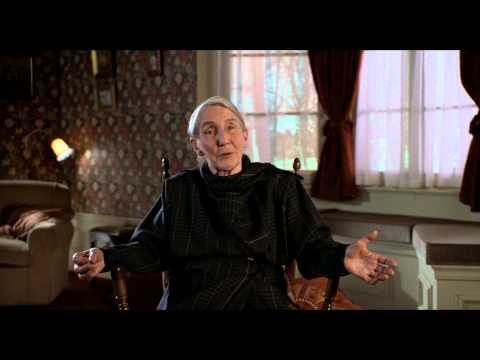
This film translates theoretical cosmology into personal narratives, highlighting the human experience behind scientific achievement. It captures the tension between expertise and lived reality, offering a melancholic exploration of knowledge as a shared journey. Ideal for viewers who appreciate the intersection of science and human emotion.
Stephen Hawking
Self
Isobel Hawking
Self - Stephen Hawking's Mother
Janet Humphrey
Self - Stephen Hawking's Aunt
Mary Hawking
Self - Stephen Hawking's Sister
Basil King
Self - Childhood Friend
Derek Powney
Self - Oxford Classmate
Norman Dix
Supporting Role
Robert Berman
Self - Stephen Hawking's Tutor
Gordon Berry
Supporting Role
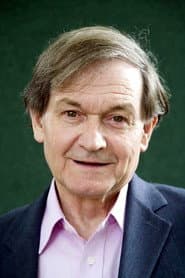
Roger Penrose
Supporting Role
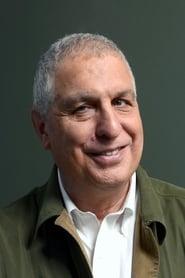
Errol Morris
Director
Nick Heckstall-Smith
First Assistant Director
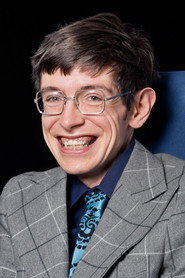
Stephen Hawking
Author
David Hickman
Producer
Rory Johnston
Executive Producer
Gordon Freedman
Executive Producer
Colin Ewing
Executive Producer
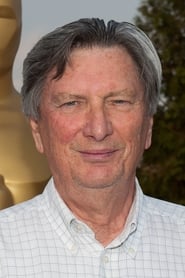
John Bailey
Director of Photography
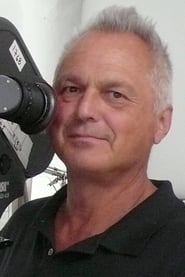
Stefan Czapsky
Director of Photography
Philippe Carr-Forster
Camera Operator
Tony Sankey
Grip
Brad Fuller
Editor
Eliza Johnston
Assistant Editor
Julian Rodd
Associate Editor
William A. Anderson
Additional Editing
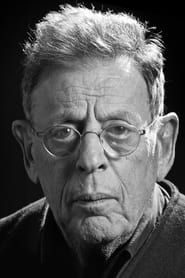
Philip Glass
Original Music Composer
Suki Buchman
Music Editor
Kurt Munkasci
Music Producer
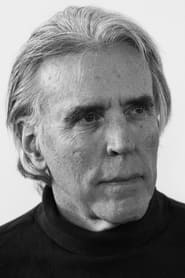
Michael Riesman
Conductor
Ted Bafaloukos
Production Design
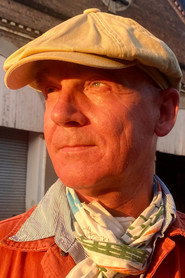
David Lee
Art Direction
Jenny Dyer
Set Dresser
Paul Hedges
Property Master
Suzie Zamit
Makeup Artist
Bruce White
Sound Mixer
Randy Thom
Sound Re-Recording Mixer
Bob Edwards
Sound Re-Recording Mixer
Ira Spiegel
Sound Editor
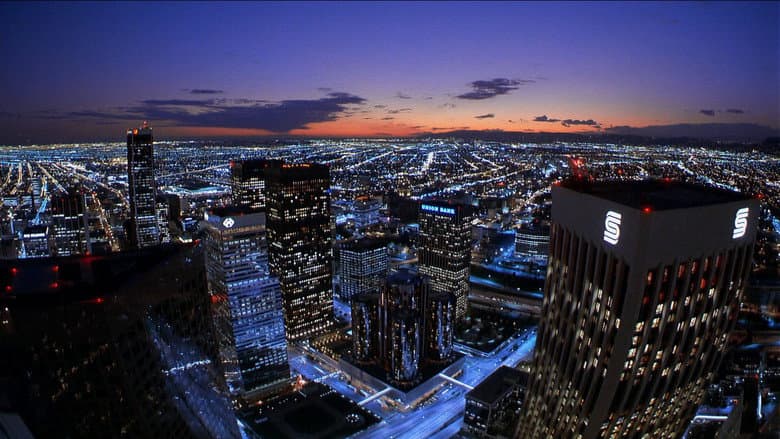
Carefully picked scenes of nature and civilization are viewed at high speed using time-lapse cinematography in an effort to demonstrate the history of various regions.
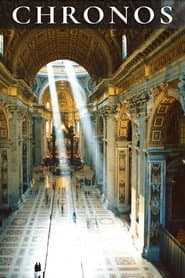
Carefully picked scenes of nature and civilization are viewed at high speed using time-lapse cinematography in an effort to demonstrate the history of various regions.
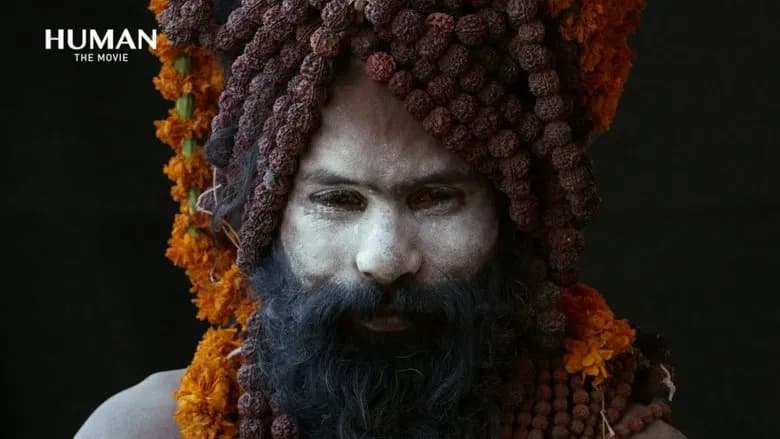
A collection of stories about and images of our world, offering an immersion to the core of what it means to be human. Through these stories full of love and happiness, as well as hatred and violence, it brings us face to face with the Other, making us reflect on our lives. From stories of everyday experiences to accounts of the most unbelievable lives, these poignant encounters share a rare sincerity and underline who we are – our darker side, but also what is most noble in us, and what is universal. Our Earth is shown at its most sublime through never-before-seen aerial images accompanied by soaring music, resulting in an ode to the beauty of the world, providing a moment to draw breath and for introspection. This film is a politically engaged work which allows us to embrace the human condition and to reflect on the meaning of our existence.
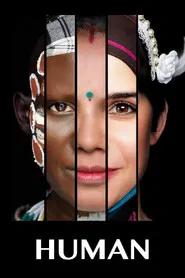
A collection of stories about and images of our world, offering an immersion to the core of what it means to be human. Through these stories full of love and happiness, as well as hatred and violence, it brings us face to face with the Other, making us reflect on our lives. From stories of everyday experiences to accounts of the most unbelievable lives, these poignant encounters share a rare sincerity and underline who we are – our darker side, but also what is most noble in us, and what is universal. Our Earth is shown at its most sublime through never-before-seen aerial images accompanied by soaring music, resulting in an ode to the beauty of the world, providing a moment to draw breath and for introspection. This film is a politically engaged work which allows us to embrace the human condition and to reflect on the meaning of our existence.
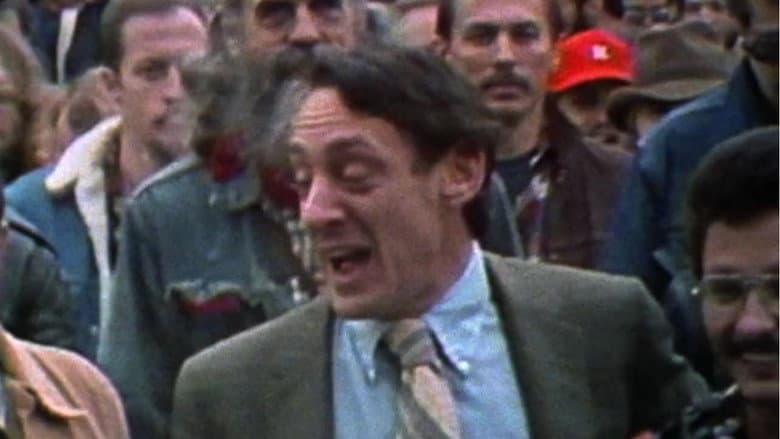
Harvey Milk was an outspoken human rights activist and one of the first openly gay U.S. politicians elected to public office; even after his assassination in 1978, he continues to inspire disenfranchised people around the world.
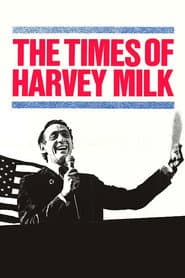
Harvey Milk was an outspoken human rights activist and one of the first openly gay U.S. politicians elected to public office; even after his assassination in 1978, he continues to inspire disenfranchised people around the world.
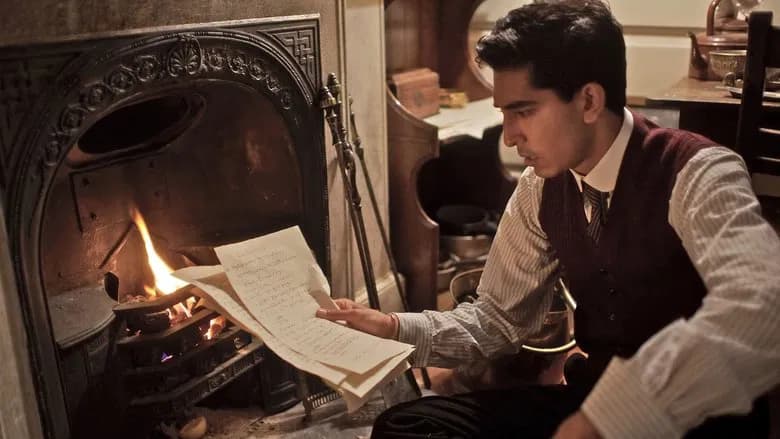
Growing up poor in Madras, India, Srinivasa Ramanujan Iyengar earns admittance to Cambridge University during WWI, where he becomes a pioneer in mathematical theories with the guidance of his professor, G.H. Hardy.
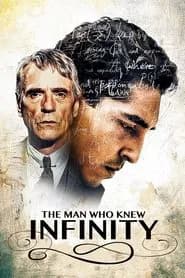
Growing up poor in Madras, India, Srinivasa Ramanujan Iyengar earns admittance to Cambridge University during WWI, where he becomes a pioneer in mathematical theories with the guidance of his professor, G.H. Hardy.
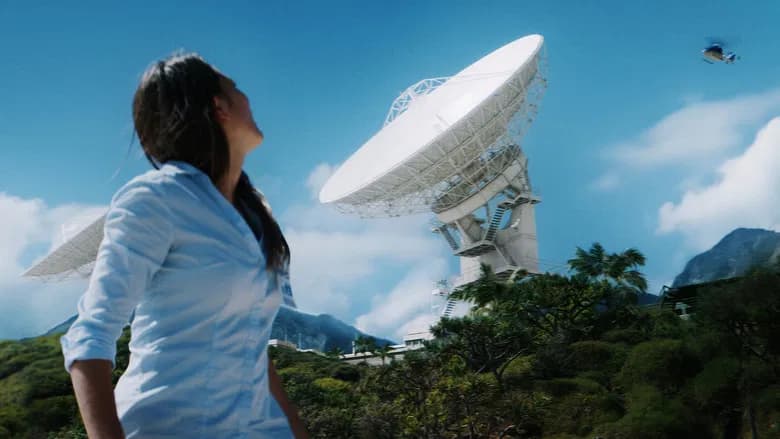
After a fatal test shuts down their project, a disgraced team of scientists enters the criminal underworld to rebuild a forbidden space-bending engine that could rescue humanity or annihilate it entirely.
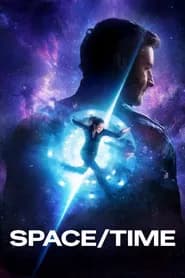
After a fatal test shuts down their project, a disgraced team of scientists enters the criminal underworld to rebuild a forbidden space-bending engine that could rescue humanity or annihilate it entirely.
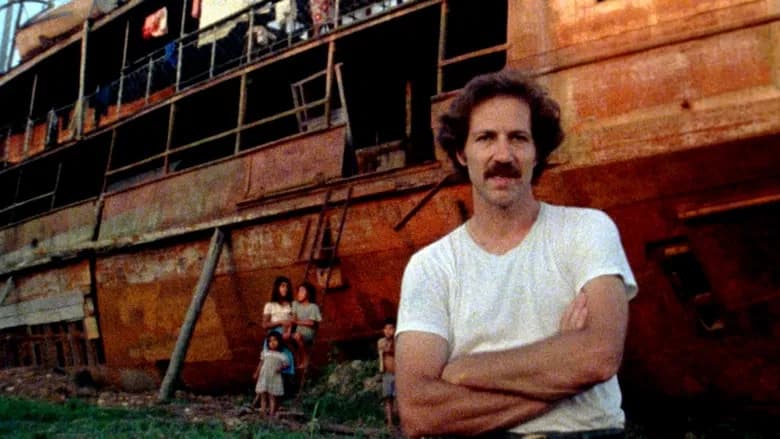
The Amazon rain forest, 1979. The crew of Fitzcarraldo (1982), a film directed by German director Werner Herzog, soon finds itself with problems related to casting, tribal struggles and accidents, among many other setbacks; but nothing compared to dragging a huge steamboat up a mountain, while Herzog embraces the path of a certain madness to make his vision come true.
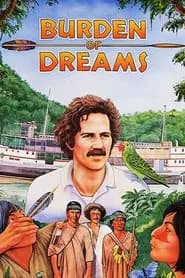
The Amazon rain forest, 1979. The crew of Fitzcarraldo (1982), a film directed by German director Werner Herzog, soon finds itself with problems related to casting, tribal struggles and accidents, among many other setbacks; but nothing compared to dragging a huge steamboat up a mountain, while Herzog embraces the path of a certain madness to make his vision come true.
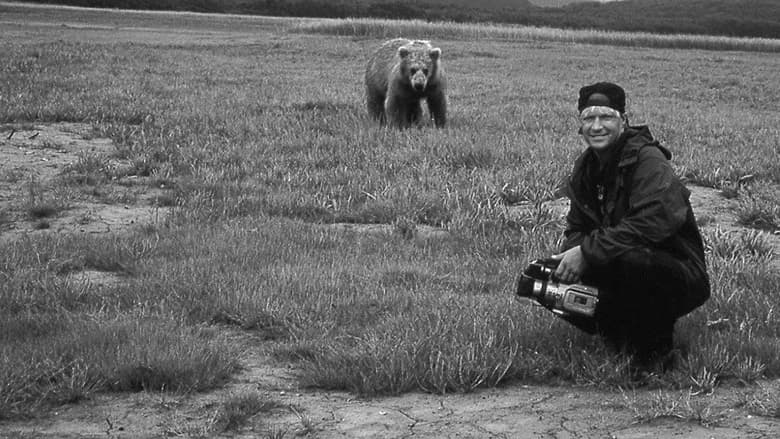
Follows the story of "Grizzly Man" Timothy Treadwell and what the thirteen summers in a National Park in Alaska were like in his attempt to protect the grizzly bears. The film is full of unique images and a look into the spirit of a man who sacrificed himself for nature.
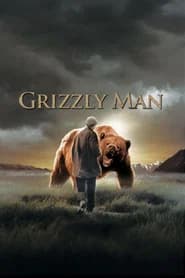
Follows the story of "Grizzly Man" Timothy Treadwell and what the thirteen summers in a National Park in Alaska were like in his attempt to protect the grizzly bears. The film is full of unique images and a look into the spirit of a man who sacrificed himself for nature.
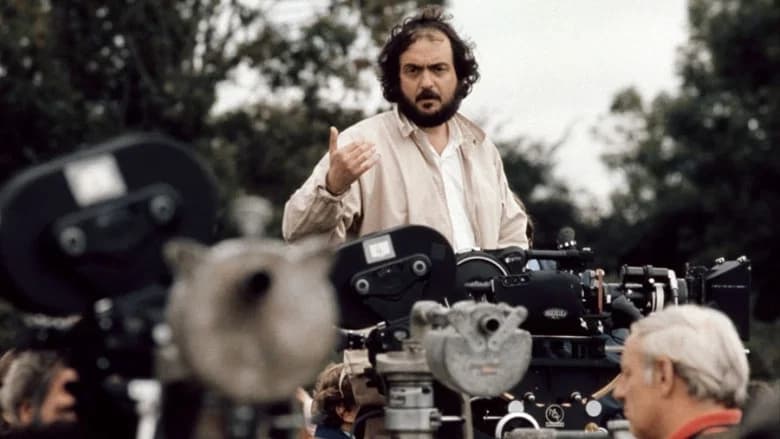
With commentary from Hollywood stars, outtakes from his movies and footage from his youth, this documentary looks at Stanley Kubrick's life and films. Director Jan Harlan, Kubrick's brother-in-law and sometime collaborator, interviews heavyweights like Jack Nicholson, Woody Allen and Sydney Pollack, who explain the influence of Kubrick classics like "Dr. Strangelove" and "2001: A Space Odyssey," and how he absorbed visual clues from disposable culture such as television commercials.
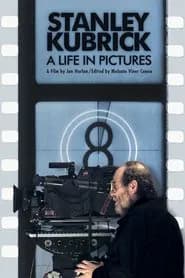
With commentary from Hollywood stars, outtakes from his movies and footage from his youth, this documentary looks at Stanley Kubrick's life and films. Director Jan Harlan, Kubrick's brother-in-law and sometime collaborator, interviews heavyweights like Jack Nicholson, Woody Allen and Sydney Pollack, who explain the influence of Kubrick classics like "Dr. Strangelove" and "2001: A Space Odyssey," and how he absorbed visual clues from disposable culture such as television commercials.
 JUST OUT
 JUST OUT
 JUST OUT
 FRESH
FRESH FRESH
FRESH FRESH
FRESH