
Tony Leung Chiu-wai
Wen-Ching
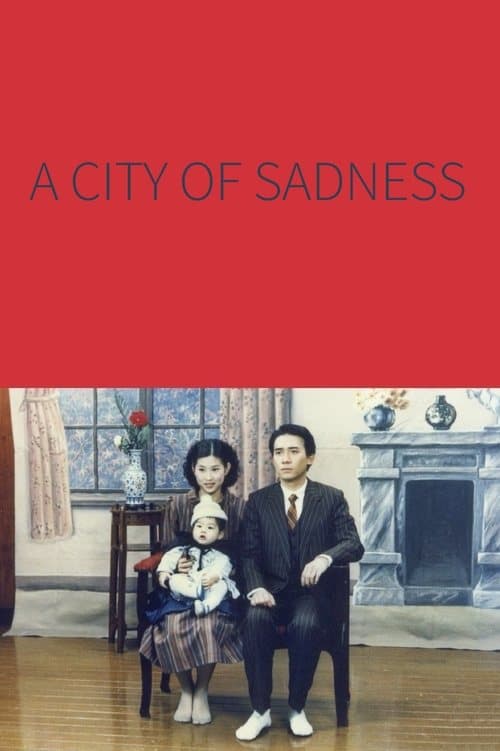
“A City of Sadness (1989) is a Chinese Cinema 1980s period-drama that situates the White Terror inside a family's domestic life, foregrounding suppressed historical consciousness. It frames the family's entanglement with political repression through static-frame compositions and long-take rhythms that let quotidian gestures accrue testimonial weight. The film contends that patient, ensemble-centered cinematic ritual is necessary to recover and reckon with collective memory.”
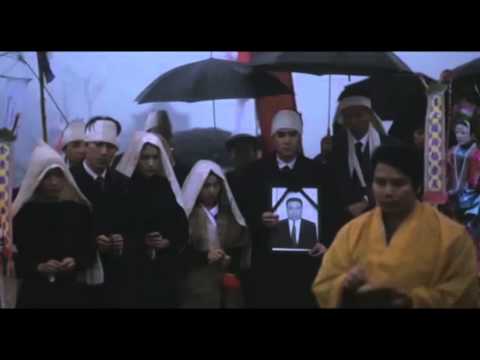
This film delves into the impact of the White Terror on everyday lives, transforming domestic gestures into carriers of historical consciousness. Its patient pacing and observational style capture the nuances of trauma and connection across generations. Ideal for those who appreciate subtle, thought-provoking narratives.

Hsin Shu-Fen
Wu Kuan Mei / Hinome
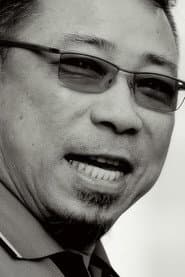
Chan Chung-Yung
Wen-Heung

Jack Kao
Wen Leung
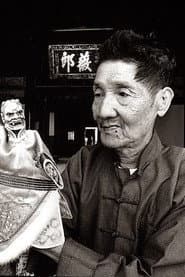
Li Tian-Lu
Ah Lu

Grace Chen Shu-Fang
Meidai
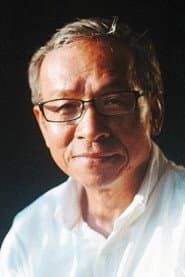
Wu Nien-jen
Mr. Wu

Tsai Chen-nan
Singer
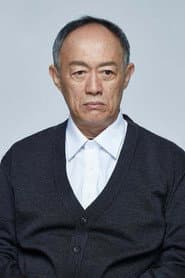
King Shih-chieh
Mr. Huang
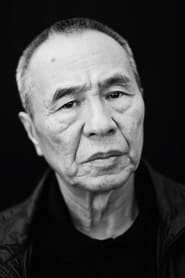
Hou Hsiao-hsien
Director
Chen Hwai-en
Director of Photography
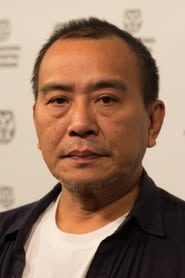
Chang Tso-chi
Assistant Director
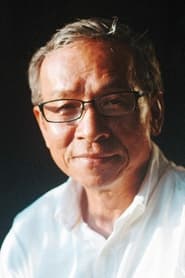
Wu Nien-jen
Writer

Chu Tien-Wen
Writer

Yau Fook-Sang
Producer
Chen Hwai-en
Director of Photography
Lam Shung-Man
Art Direction
Chi-Wah Lau
Art Direction

Tu Duu-chih
Sound
Ching-an Yang
Sound
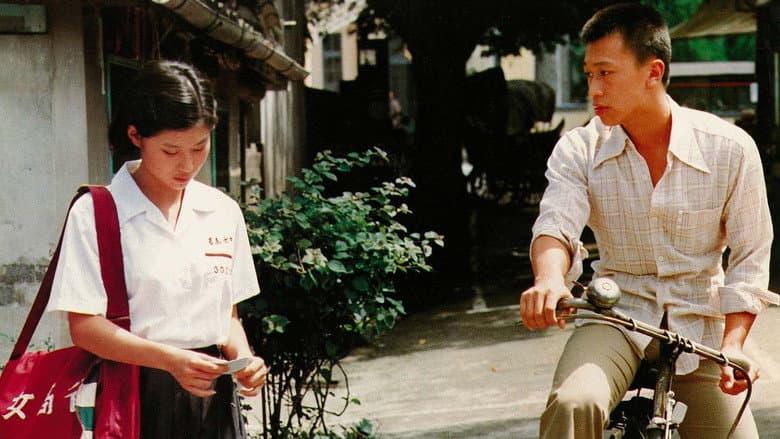
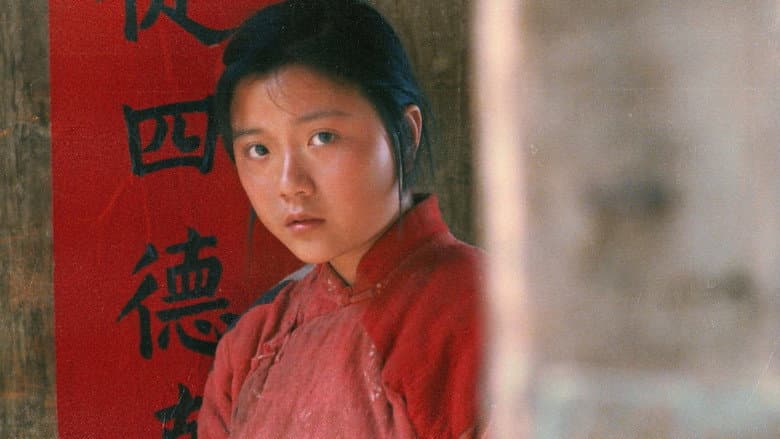
An autobiographical film based on Taiwanese director Hou Hsiao-hsien's memories of his youth growing up in Taiwan after emigrating from mainland China.
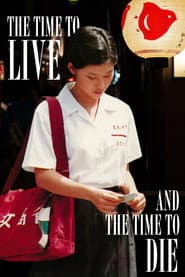
An autobiographical film based on Taiwanese director Hou Hsiao-hsien's memories of his youth growing up in Taiwan after emigrating from mainland China.
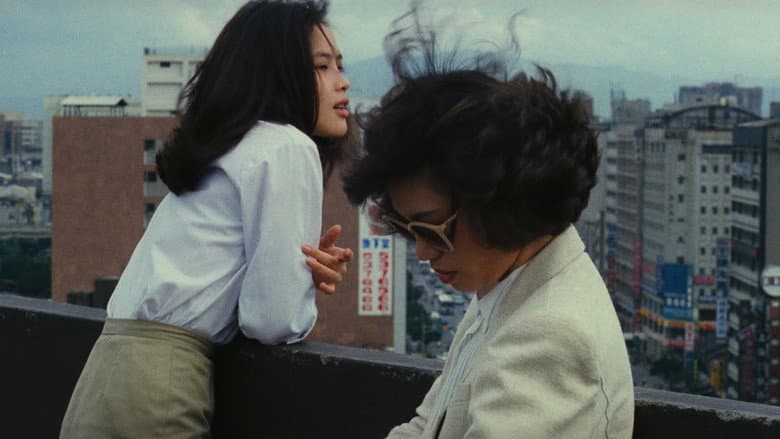
A young woman urgently seeks to navigate the maze of contemporary Taipei and find a future. She hopes that her boyfriend Lung is the key to the future, but Lung is stuck in a past that combines baseball and traditional loyalty that leads him to squander his nest egg bailing her father out of financial trouble.

A young woman urgently seeks to navigate the maze of contemporary Taipei and find a future. She hopes that her boyfriend Lung is the key to the future, but Lung is stuck in a past that combines baseball and traditional loyalty that leads him to squander his nest egg bailing her father out of financial trouble.
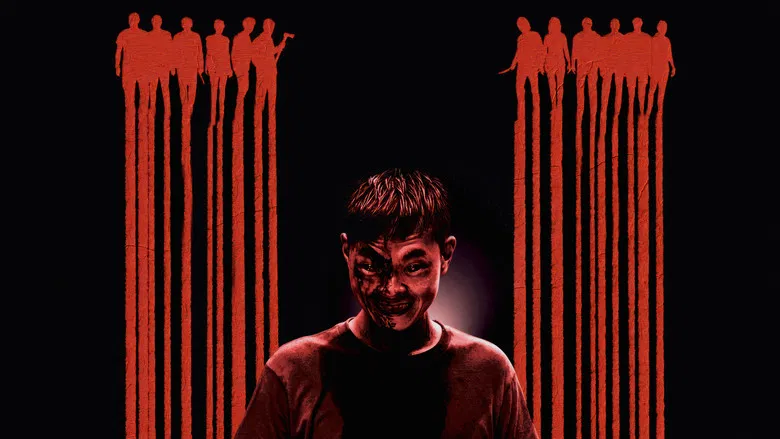
A young couple is pushed to the limits of sanity as they attempt to be reunited amid the chaos of a pandemic outbreak. The streets erupt into violence and depravity, as those infected are driven to enact the most cruel and ghastly things imaginable.
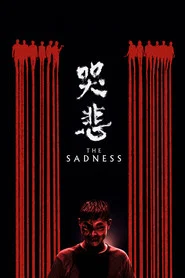
A young couple is pushed to the limits of sanity as they attempt to be reunited amid the chaos of a pandemic outbreak. The streets erupt into violence and depravity, as those infected are driven to enact the most cruel and ghastly things imaginable.
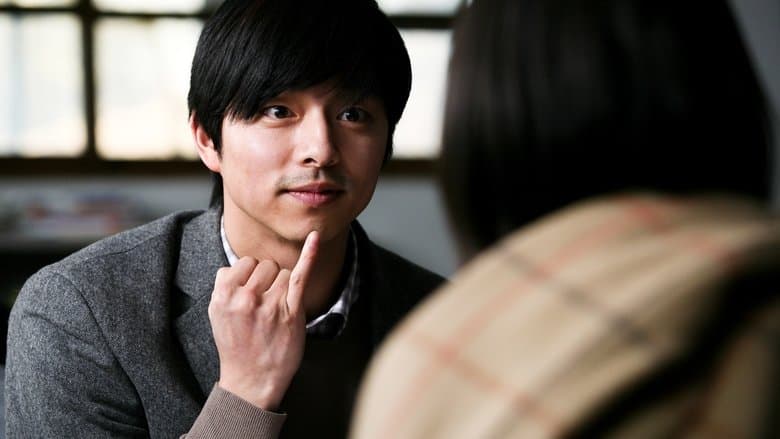
Based on actual events that took place at Gwangju Inhwa School for the hearing-impaired, where young deaf students were the victims of repeated sexual assaults by faculty members over a period of five years in the early 2000s.
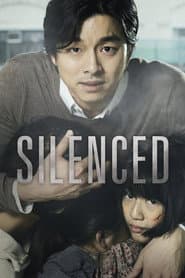
Based on actual events that took place at Gwangju Inhwa School for the hearing-impaired, where young deaf students were the victims of repeated sexual assaults by faculty members over a period of five years in the early 2000s.
A communist soldier is sent to a remote region of China in order to collect folk songs. Staying with a peasant family (a widower with two small children), he discovers a community whose way of life is completely alien to him, but he gradually wins their trust.
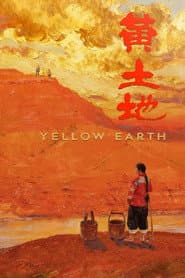
A communist soldier is sent to a remote region of China in order to collect folk songs. Staying with a peasant family (a widower with two small children), he discovers a community whose way of life is completely alien to him, but he gradually wins their trust.
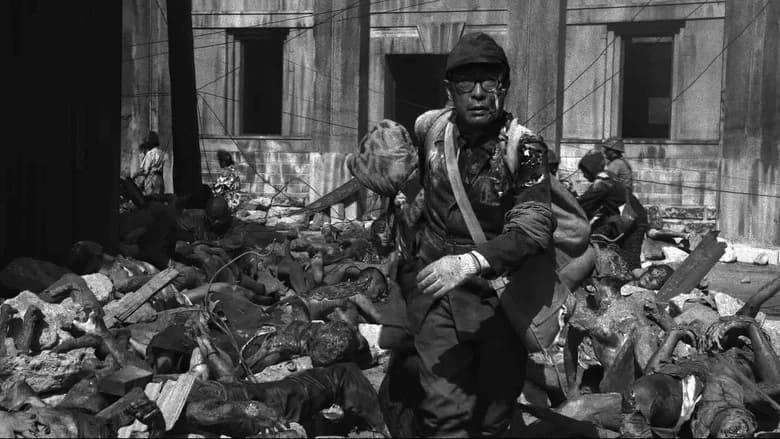
Shigematsu Shizuma, who lives with his family in a village near Fukuyama, was in Hiroshima with his wife and niece just after the devastating atomic bombing, a tragedy that cruelly took the lives of thousands of people and forever marked the harsh existence of the survivors.
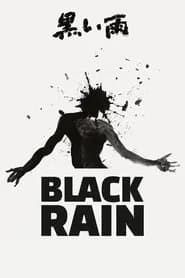
Shigematsu Shizuma, who lives with his family in a village near Fukuyama, was in Hiroshima with his wife and niece just after the devastating atomic bombing, a tragedy that cruelly took the lives of thousands of people and forever marked the harsh existence of the survivors.
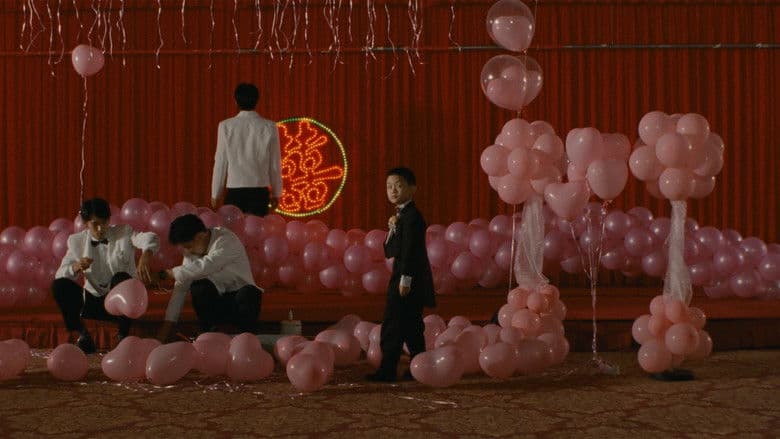
A Taipei family faces personal and moral uncertainty as everyday events test their relationships and sense of purpose.
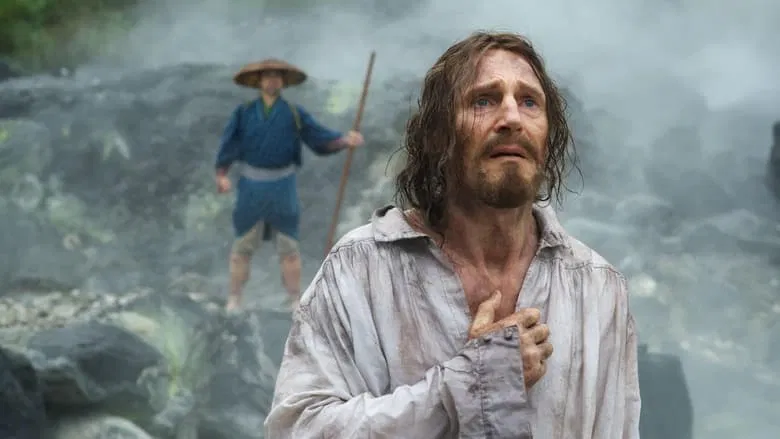
In the 17th century, two Portuguese Jesuit priests travel to Japan in an attempt to locate their mentor, who is rumored to have committed apostasy, and to propagate Catholicism.
 JUST OUT
 JUST OUT
 JUST OUT
 JUST OUT
 FRESH
FRESH FRESH
FRESH FRESH
FRESH