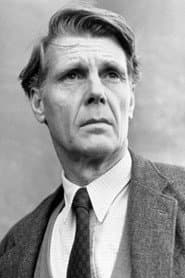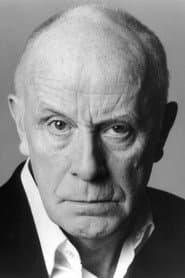
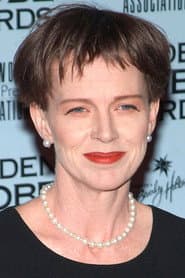
Judy Davis
Adela Quested
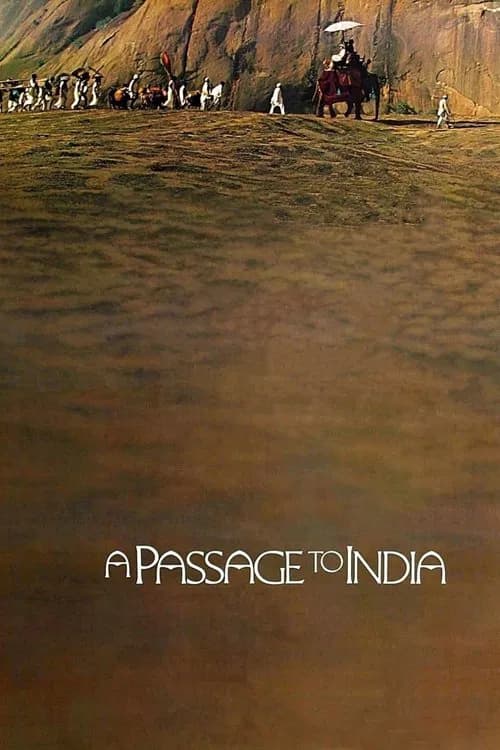
“A Passage to India (1984) is a 1980s United Kingdom period drama that stages cultural mistrust across colonial social spheres. It dramatizes a false accusation between an Indian doctor, an Englishwoman engaged to marry a magistrate, and an English educator using measured pacing and wide‑anamorphic compositions to hold social relations in view. A Passage to India argues that imperial legal authority fractures interpersonal trust, making historical consciousness necessary to apprehend the social cost.”
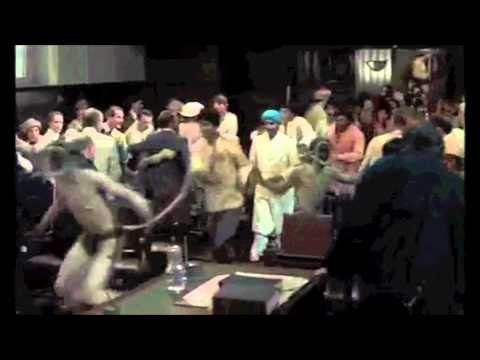
A Passage to India thoughtfully navigates the complexities of colonial relationships, where trust erodes amidst institutional power dynamics. The film invites reflection on moral unease and social hierarchies through its measured pacing and striking visuals. It's suited for viewers interested in historical introspection and cultural critique.
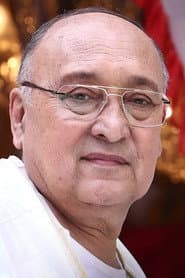
Victor Banerjee
Dr. Aziz H. Ahmed
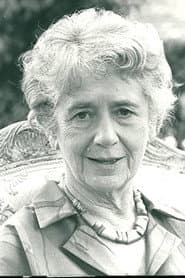
Peggy Ashcroft
Mrs. Moore
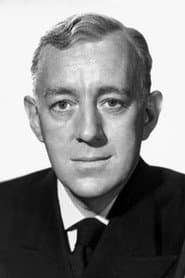
Alec Guinness
Professor Godbole

Nigel Havers
Ronny Heaslop
Antonia Pemberton
Mrs. Turton
Michael Culver
Major McBryde
David Lean
Director
Maggie Unsworth
Continuity
David Lean
Screenplay
E.M. Forster
Novel
John Brabourne
Producer
Richard Goodwin
Producer
Jim Brennan
Production Manager
Shama Habibullah
Production Manager
Ernest Day
Director of Photography
David Lean
Editor
Maurice Jarre
Original Music Composer
Robin Clarke
Music Editor
Leslie Tomkins
Production Design
John Box
Production Design
Cliff Robinson
Art Direction
Herbert Westbrook
Art Direction
Judy Moorcroft
Costume Design
Eric Allwright
Makeup Artist
Jill Carpenter
Makeup Artist
Vera Mitchell
Hairdresser
Winston Ryder
Sound Editor
Graham V. Hartstone
Sound Recordist
Nicolas Le Messurier
Sound Recordist
Maurice Jarre
Conductor
Tarun Tej
Visual Effects
Robin Browne
Special Effects
Priscilla John
Casting
Richard Graydon
Stunt Coordinator
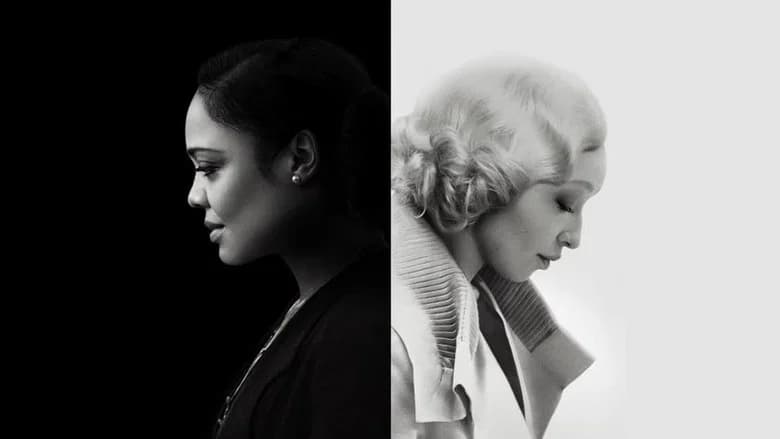
In 1920s New York City, a Black woman finds her world upended when her life becomes intertwined with a former childhood friend who's passing as white.
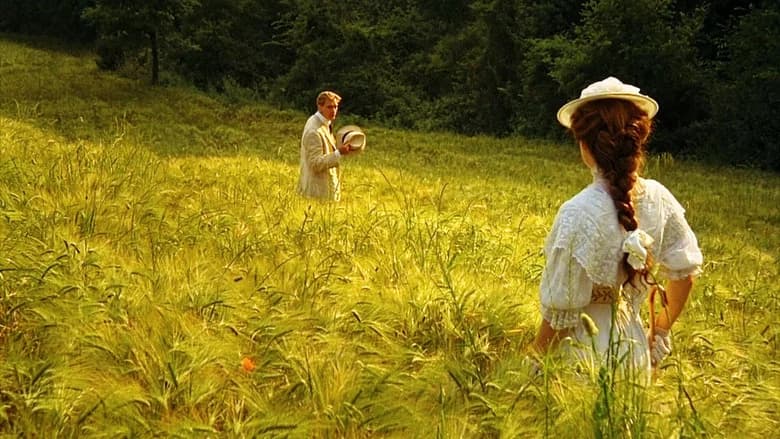
When Lucy Honeychurch and chaperon Charlotte Bartlett find themselves in Florence with rooms without views, fellow guests Mr Emerson and son George step in to remedy the situation. Meeting the Emersons could change Lucy's life forever but, once back in England, how will her experiences in Tuscany affect her marriage plans?
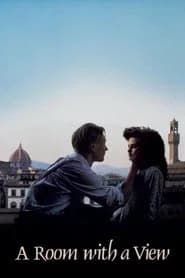
When Lucy Honeychurch and chaperon Charlotte Bartlett find themselves in Florence with rooms without views, fellow guests Mr Emerson and son George step in to remedy the situation. Meeting the Emersons could change Lucy's life forever but, once back in England, how will her experiences in Tuscany affect her marriage plans?
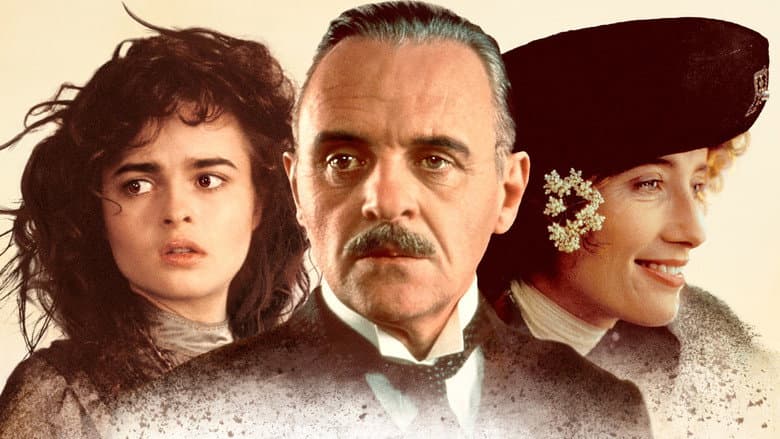
A saga of class relations and changing times in an Edwardian England on the brink of modernity, the film centers on liberal Margaret Schlegel, who, along with her sister Helen, becomes involved with two couples: wealthy, conservative industrialist Henry Wilcox and his wife Ruth, and the downwardly mobile working-class Leonard Bast and his mistress Jackie.
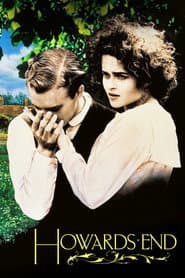
A saga of class relations and changing times in an Edwardian England on the brink of modernity, the film centers on liberal Margaret Schlegel, who, along with her sister Helen, becomes involved with two couples: wealthy, conservative industrialist Henry Wilcox and his wife Ruth, and the downwardly mobile working-class Leonard Bast and his mistress Jackie.
In the 1930s, Count Almásy is a Hungarian map maker employed by the Royal Geographical Society to chart the vast expanses of the Sahara Desert along with several other prominent explorers. As World War II unfolds, Almásy enters into a world of love, betrayal, and politics.

In the 1930s, Count Almásy is a Hungarian map maker employed by the Royal Geographical Society to chart the vast expanses of the Sahara Desert along with several other prominent explorers. As World War II unfolds, Almásy enters into a world of love, betrayal, and politics.
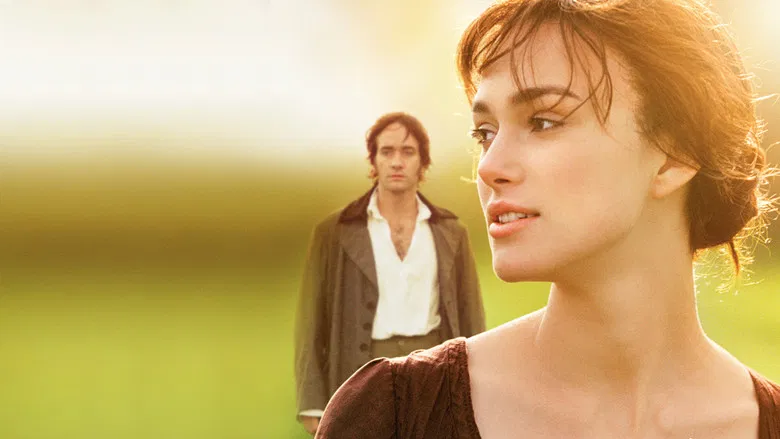
A story of love and life among the landed English gentry during the Georgian era. Mr. Bennet is a gentleman living in Hertfordshire with his overbearing wife and five daughters, but if he dies their house will be inherited by a distant cousin whom they have never met, so the family's future happiness and security is dependent on the daughters making good marriages.
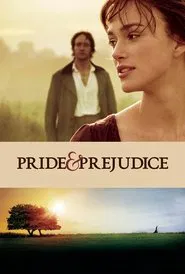
A story of love and life among the landed English gentry during the Georgian era. Mr. Bennet is a gentleman living in Hertfordshire with his overbearing wife and five daughters, but if he dies their house will be inherited by a distant cousin whom they have never met, so the family's future happiness and security is dependent on the daughters making good marriages.
A drama about explorer John Smith and the clash between Native Americans and English settlers in the 17th century.
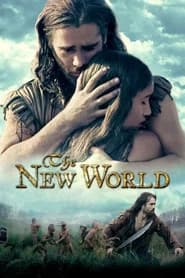
A drama about explorer John Smith and the clash between Native Americans and English settlers in the 17th century.
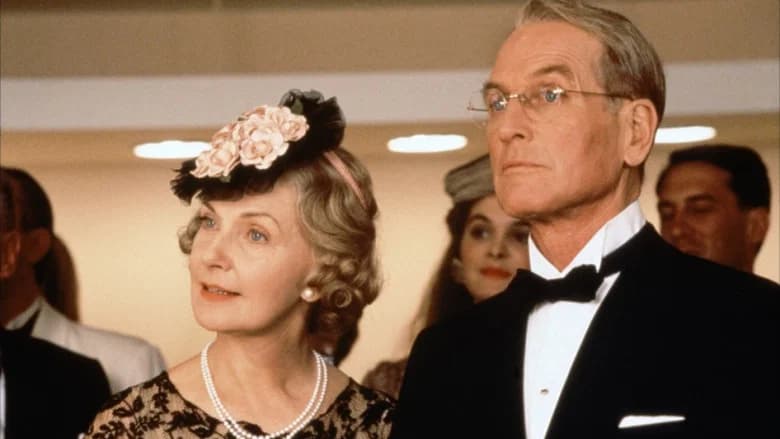
Set during World War II, an upper-class family begins to fall apart due to the conservative nature of the patriarch and the progressive values of his children.
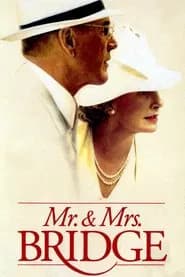
Set during World War II, an upper-class family begins to fall apart due to the conservative nature of the patriarch and the progressive values of his children.
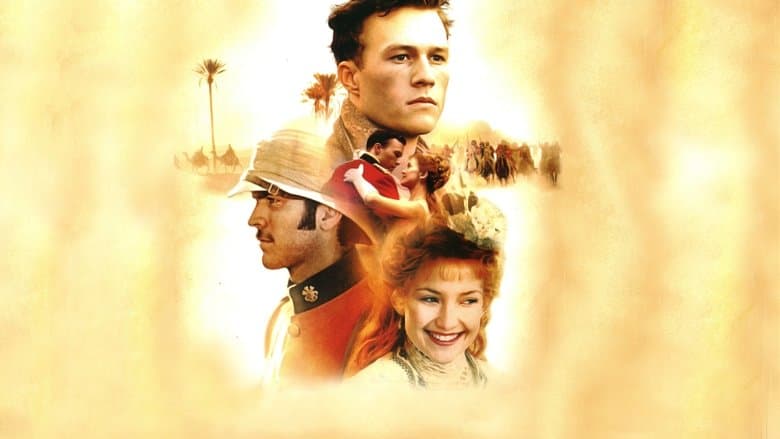
A young British officer resigns his post when he learns of his regiment's plan to ship out to the Sudan for the conflict with the Mahdi. His friends and fiancée send him four white feathers as symbols of what they view as his cowardice. To redeem his honor, he disguises himself as an Arab and secretly saves their lives.
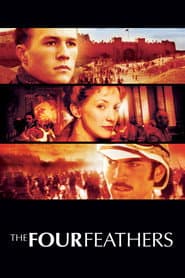
A young British officer resigns his post when he learns of his regiment's plan to ship out to the Sudan for the conflict with the Mahdi. His friends and fiancée send him four white feathers as symbols of what they view as his cowardice. To redeem his honor, he disguises himself as an Arab and secretly saves their lives.
 JUST OUT
 JUST OUT
 JUST OUT
 JUST OUT
 FRESH
FRESH FRESH
FRESH FRESH
FRESH