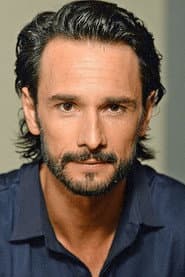
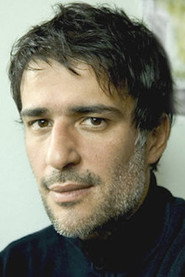
Rodrigo Santoro
Tonho
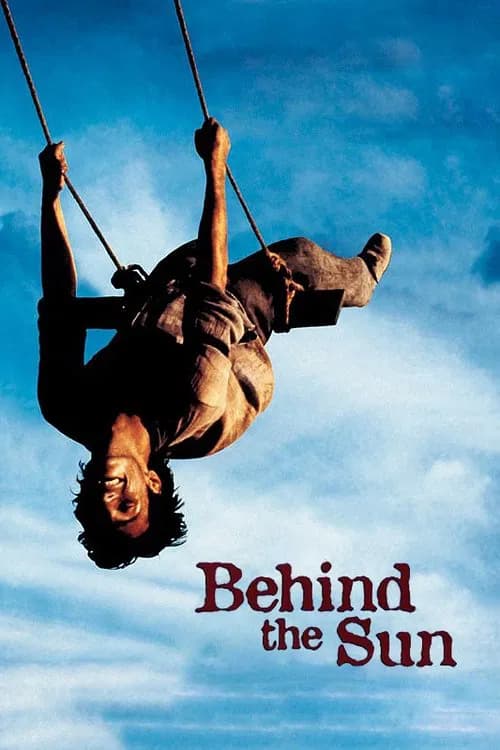
“Behind the Sun (2001) is a 2000s-era French-Brazilian period drama that stages ritual revenge as a moral crisis in the 1910 badlands. It frames Tonho's filial compulsion and Pacu's dissent through wide-anamorphic compositions and long-take choreography that privilege silence, proximity and register-shift. The film compels re-evaluation of inherited honor by converting private hesitation into communal moral accounting.”
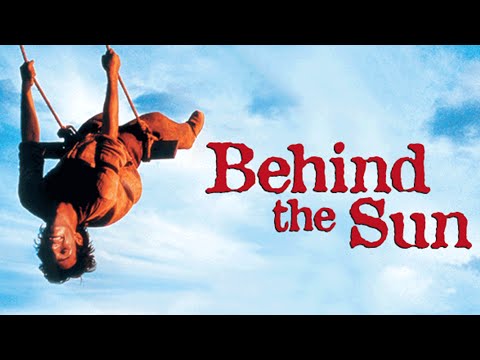
This film intimately explores the tension between inherited obligations and personal desire through careful, restrained performances. The interactions within a family and their community reveal the complexities of moral decisions framed by a backdrop of generational expectations. Best for those who appreciate nuanced storytelling and the subtleties of human relationships.
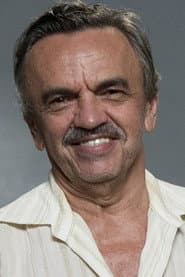
José Dumont
Pai

Rita Assemany
Mãe

Luiz Carlos Vasconcelos
Salustiano
Ravi Ramos Lacerda
Pacu
Flavia Marco Antonio
Clara
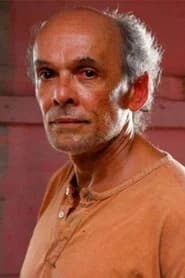
Everaldo Pontes
Velho Cego
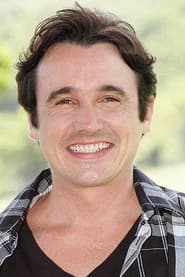
Caio Junqueira
Inácio
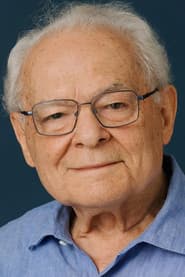
Othon Bastos
Mr. Lourenço
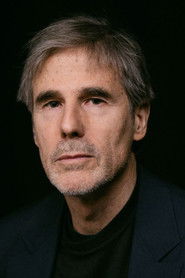
Walter Salles
Director
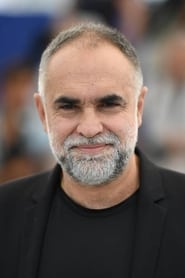
Karim Aïnouz
Screenplay
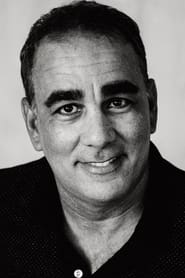
Sérgio Machado
Screenplay
Walter Salles
Screenplay
Karim Aïnouz
Screenplay
Sérgio Machado
Screenplay
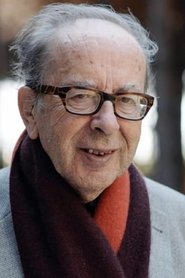
Ismail Kadare
Novel
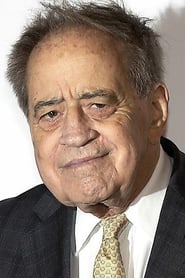
Arthur Cohn
Producer
Beto Bruno
Producer
Mauricio Andrade Ramos
Executive Producer
Lillian Birnbaum
Executive Producer

Walter Carvalho
Director of Photography
Isabelle Rathery
Editor
Antonio Pinto
Original Music Composer
Beto Villares
Original Music Composer
Ed Cortês
Original Music Composer
Cassio Amarante
Art Direction
Marcelo Larrea
Set Decoration
Cao Albuquerque
Costume Design

Martín Macías Trujillo
Makeup Artist
Gabi Moraes
Makeup Artist
Irma Verdugal
Hairstylist
François Groult
Sound
Sérgio Machado
Casting
Beth Accioly
Casting
A successful lawyer, with a new wife and infant, agrees to care for his teenage son from a previous marriage after his ex-wife becomes concerned about the boy's wayward behavior.
Two parents deal with the effects when their son is accused of murdering his girlfriend.
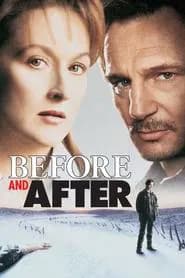
Two parents deal with the effects when their son is accused of murdering his girlfriend.
A joinery instructor at a rehab center refuses to take a new teen as his apprentice, but then begins to follow the boy through the hallways and streets.
The story of a father and a son. An on the road trip from South to North.
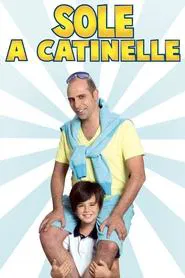
The story of a father and a son. An on the road trip from South to North.
When five Kurdish prisoners are granted one week's home leave, they find to their dismay that they face continued oppression outside of prison from their families, the culture, and the government.
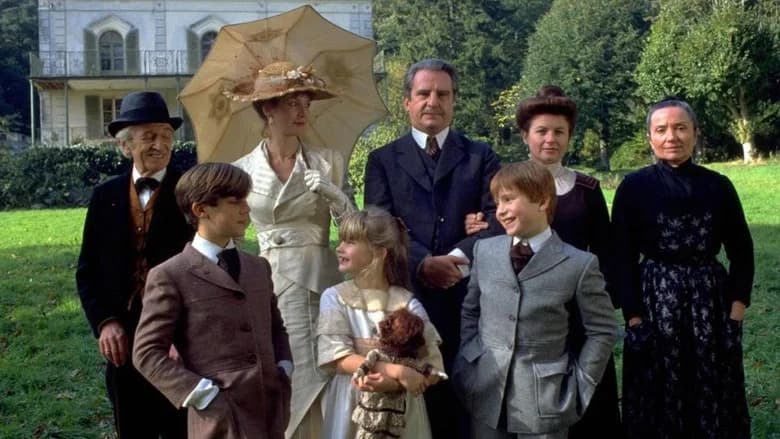
In France, before WWI. As every Sunday, an old painter living in the country is visited by his son Gonzague, coming with his wife and his three children. Then his daugther Irene arrives. She is always in a hurry, she lives alone and does not come so often... An intimist chronicle in which what is not shown, what is guessed, is more important than how it looks, dealing with what each character expects of life.
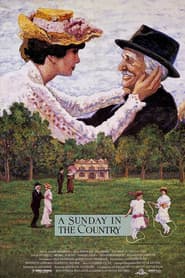
In France, before WWI. As every Sunday, an old painter living in the country is visited by his son Gonzague, coming with his wife and his three children. Then his daugther Irene arrives. She is always in a hurry, she lives alone and does not come so often... An intimist chronicle in which what is not shown, what is guessed, is more important than how it looks, dealing with what each character expects of life.
In a post-WWII Yugoslavia still under Stalinist rule in the 1950s, six-year-old Malik is oblivious as to why his father, Mehmed, has suddenly disappeared. In truth, Mehmed has been sent to a labor camp as punishment for acts of sexual indiscretion involving young girls. Malik's mother, Senija, however, has no answers, and the family must cope in the father's absence.
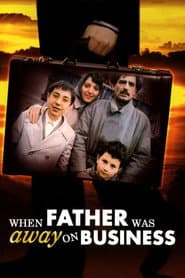
In a post-WWII Yugoslavia still under Stalinist rule in the 1950s, six-year-old Malik is oblivious as to why his father, Mehmed, has suddenly disappeared. In truth, Mehmed has been sent to a labor camp as punishment for acts of sexual indiscretion involving young girls. Malik's mother, Senija, however, has no answers, and the family must cope in the father's absence.
Bruno is released from prison. He looks for a job and tries to start a new life. His first stop is at his father's apartment.
 JUST OUT
 JUST OUT
 JUST OUT
 JUST OUT
 FRESH
FRESH FRESH
FRESH FRESH
FRESH