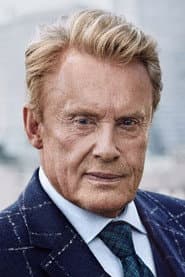
Daniel Olbrychski
Janusz
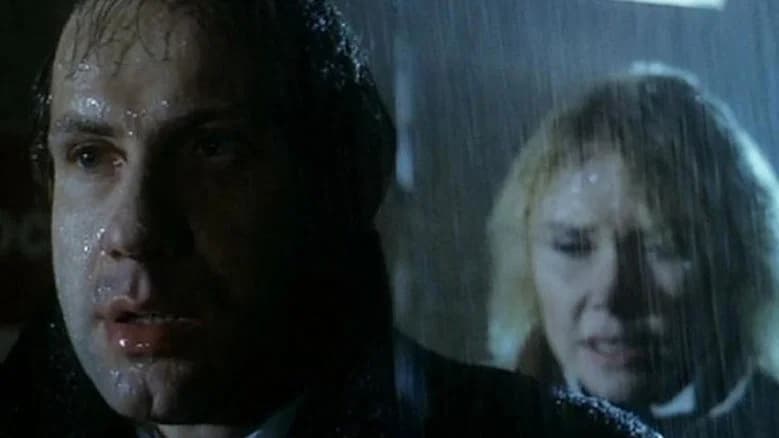
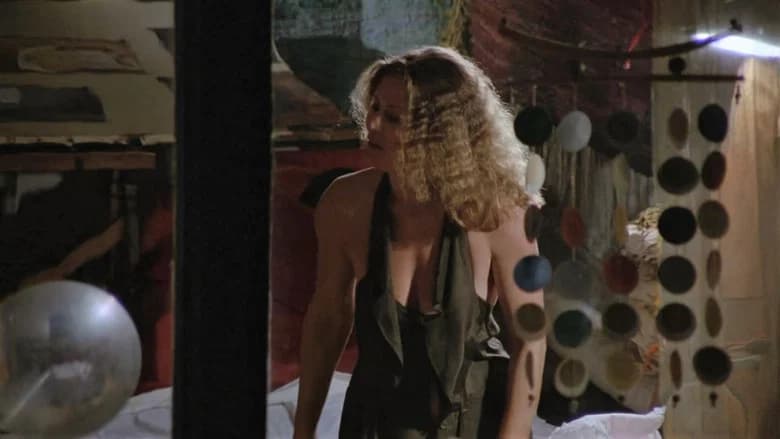
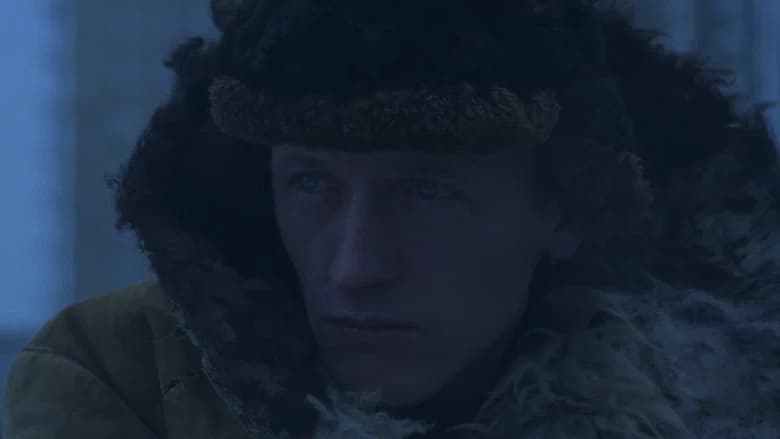
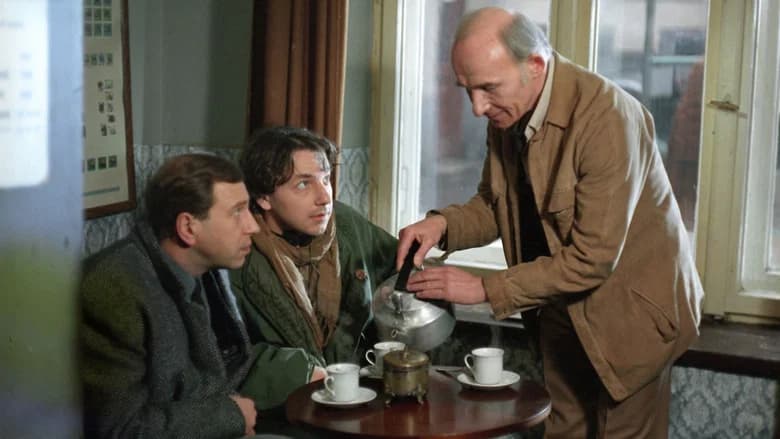
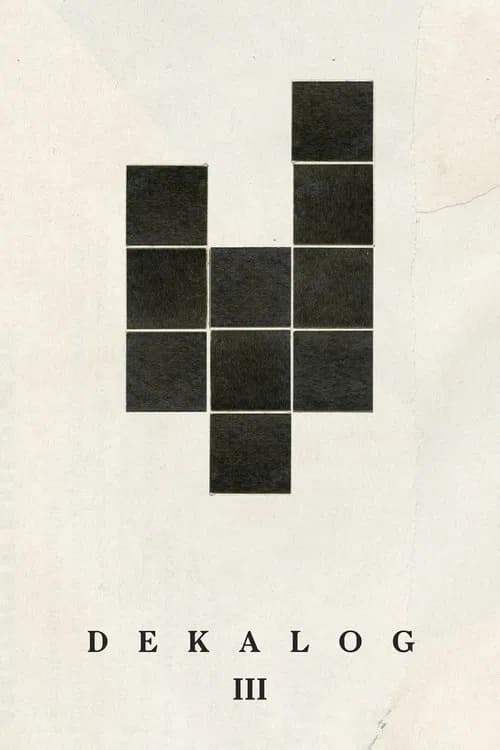
“(1989) is a 1980s German-Polish drama that places a nocturnal moral dilemma inside a confined domestic frame. It stages an illicit reunion in tight framing and slow-burn pacing, using muted color and compressed interiors to turn conversation into ethical pressure. The film argues that formal restraint can map moral-unease, making intimate deception legible as a test of ordinary commitments.”
A delicate, character-driven film that probes the moral weight of small deceptions in a domestic setting. With careful framing and pacing, it transforms simple dialogue into a dance of choices and consequences. This work resonates with those interested in the complexities of human relationships.
Daniel Olbrychski
Janusz

Maria Pakulnis
Ewa
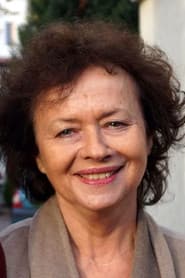
Joanna Szczepkowska
Janusz's Wife
Krystyna Drochocka
Aunt
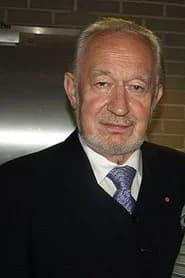
Krzysztof Kumor
Gynecologist
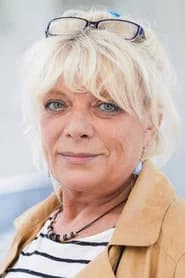
Dorota Stalińska
PKP Employee Riding a Skateboard
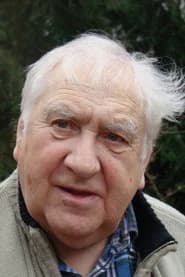
Zygmunt Fok
Supporting Role
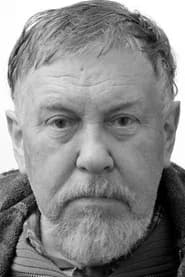
Jerzy Zygmunt Nowak
Doctor
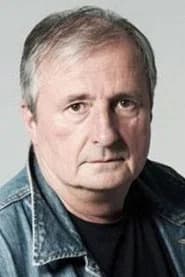
Jacek Kałucki
Milicjant
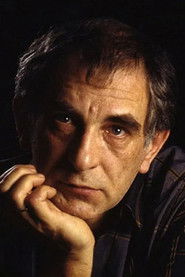
Krzysztof Kieślowski
Director

Dariusz Jabłoński
First Assistant Director
Teresa Violetta Buhl
First Assistant Director
Miroslawa Serafin
Script Supervisor
Krzysztof Kieślowski
Screenplay

Krzysztof Piesiewicz
Screenplay
Ryszard Chutkowski
Production Manager
Paweł Mantorski
Production Coordinator
Włodzimierz Bendych
Production Coordinator
Dariusz Jabłoński
First Assistant Director
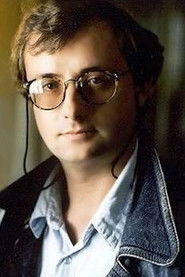
Piotr Sobociński
Director of Photography
Dariusz Panas
Camera Operator
Piotr Jaszczuk
Assistant Camera
Andrzej Burchard
Still Photographer
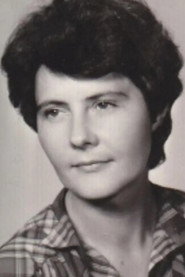
Ewa Smal
Editor
Henryka Dancygier
Assistant Editor
Urszula Reklajtis
Assistant Editor
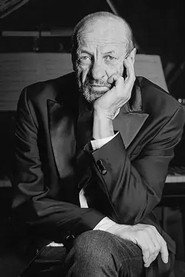
Zbigniew Preisner
Original Music Composer
Zbigniew Malecki
Music Producer
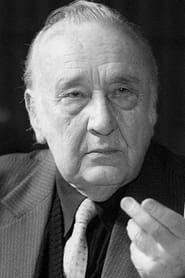
Zdzisław Szostak
Conductor
Halina Dobrowolska
Production Design
Magdalena Dipont
Set Decoration
Mirosław Mentcel
Graphic Designer
Robert Czesak
Assistant Production Design
Hanna Ćwikło
Costume Design
Małgorzata Obłoza
Costume Design
Dorota Seweryńska
Makeup Artist
Jolanta Pruszynska
Assistant Makeup Artist

Nikodem Wołk-Łaniewski
Sound
Bogusław Nowak
Foley Artist
Janina Kurec
Music Consultant
Zbigniew Malecki
Music Producer
Janusz Chlebowski
Stunts
Marek Sadowski
Stunts

Robert Brzeziński
Stunts
Ryszard Janikowski
Stunts
Roman and Hanka have a loving marriage, but his impotence has led to her having an affair. The unbearable situation drives Roman to extreme measures both physically and mentally, testing their love and his own will to live.
Roman and Hanka have a loving marriage, but his impotence has led to her having an affair. The unbearable situation drives Roman to extreme measures both physically and mentally, testing their love and his own will to live.
A teenage postal worker, Tomek, routinely spies on his older neighbor Magda, a sexually liberated artist who lives in the apartment across the courtyard from his. As their private worlds merge, fascination turns to obsession, and the line between love and curiosity becomes violently blurred.
A teenage postal worker, Tomek, routinely spies on his older neighbor Magda, a sexually liberated artist who lives in the apartment across the courtyard from his. As their private worlds merge, fascination turns to obsession, and the line between love and curiosity becomes violently blurred.
Krzysztof, a semantics professor and computer hobbyist, is raising his young son, Paweł, to look to science for answers, while Irena, Paweł’s aunt, lives a life rooted in faith. Over the course of one day, both adults are forced to question their belief systems.
Krzysztof, a semantics professor and computer hobbyist, is raising his young son, Paweł, to look to science for answers, while Irena, Paweł’s aunt, lives a life rooted in faith. Over the course of one day, both adults are forced to question their belief systems.
Jerzy and Artur’s father dies, leaving behind a valuable stamp collection, which, they discover, is coveted by dealers of varying degrees of shadiness. The more involved the brothers get in their father’s world, the more dire and comical their situation becomes.
Jerzy and Artur’s father dies, leaving behind a valuable stamp collection, which, they discover, is coveted by dealers of varying degrees of shadiness. The more involved the brothers get in their father’s world, the more dire and comical their situation becomes.
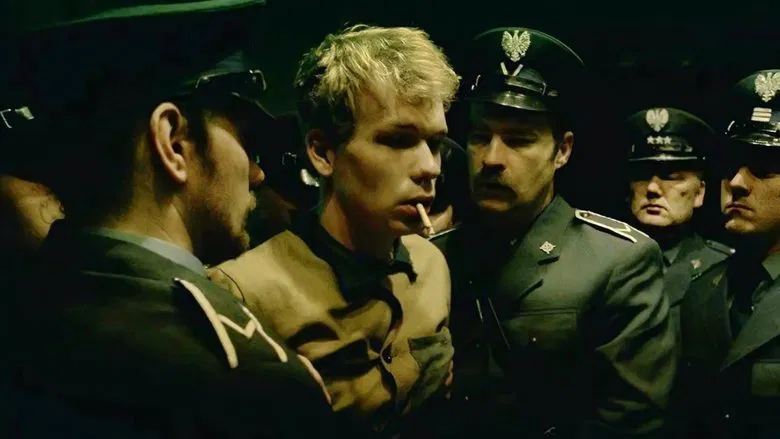
Jacek, an angry drifter, murders a taxi driver, brutally and without motive. His case is assigned to Piotr, an idealistic young lawyer who is morally opposed to the death penalty, and their interactions take on an emotional honesty that throws into stark relief for Piotr the injustice of killing of any kind.
Jacek, an angry drifter, murders a taxi driver, brutally and without motive. His case is assigned to Piotr, an idealistic young lawyer who is morally opposed to the death penalty, and their interactions take on an emotional honesty that throws into stark relief for Piotr the injustice of killing of any kind.
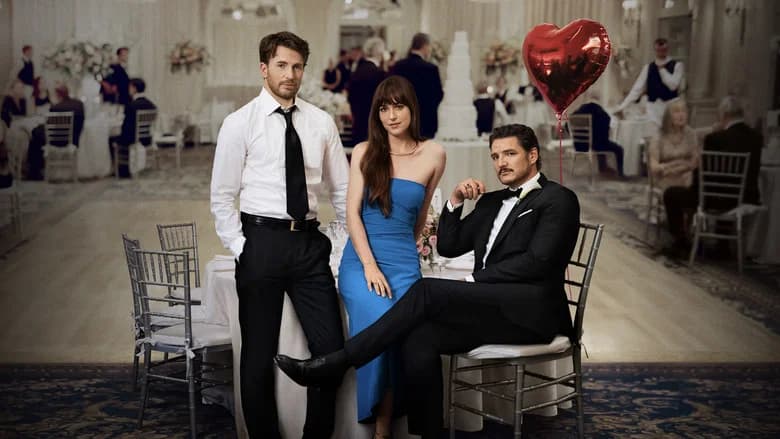
A young, ambitious New York City matchmaker finds herself torn between the perfect match and her imperfect ex.

A young, ambitious New York City matchmaker finds herself torn between the perfect match and her imperfect ex.
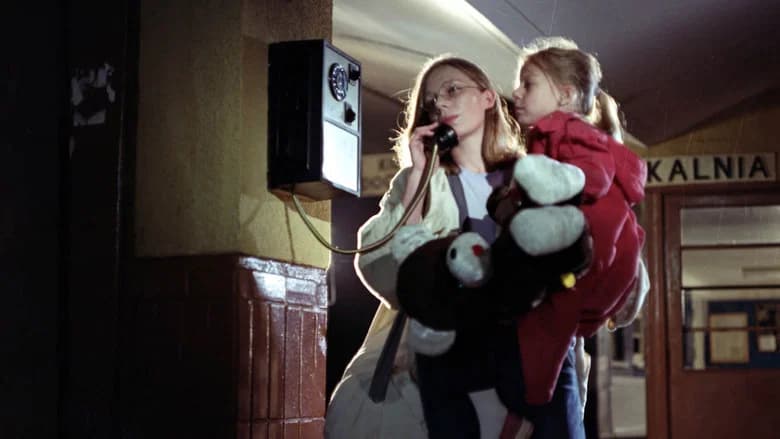
As a high school student, Majka bore a child, Ania, whom Majka’s mother, Ewa, has been raising as her own. Now that Majka is ready for motherhood, Ewa refuses to let go, leading Majka to kidnap her own daughter, with unexpected emotional consequences.

As a high school student, Majka bore a child, Ania, whom Majka’s mother, Ewa, has been raising as her own. Now that Majka is ready for motherhood, Ewa refuses to let go, leading Majka to kidnap her own daughter, with unexpected emotional consequences.
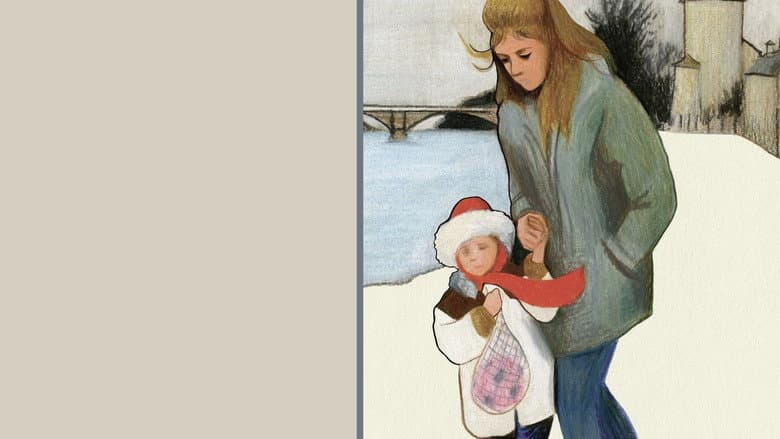
Felicie and Charles have a whirlwind holiday romance. Due to a mix-up on addresses they lose contact, and five years later at Christmas-time Felicie is living with her mother in a cold Paris with a daughter as a reminder of that long-ago summer. For male companionship she oscillates between hairdresser Maxence and the intellectual Loic, but seems unable to commit to either as the memory of Charles and what might have been hangs over everything.
Felicie and Charles have a whirlwind holiday romance. Due to a mix-up on addresses they lose contact, and five years later at Christmas-time Felicie is living with her mother in a cold Paris with a daughter as a reminder of that long-ago summer. For male companionship she oscillates between hairdresser Maxence and the intellectual Loic, but seems unable to commit to either as the memory of Charles and what might have been hangs over everything.
 JUST OUT
 JUST OUT
 JUST OUT
 JUST OUT
 FRESH
FRESH FRESH
FRESH FRESH
FRESH