
Noboru Kaneko
Yoshito Chûjô
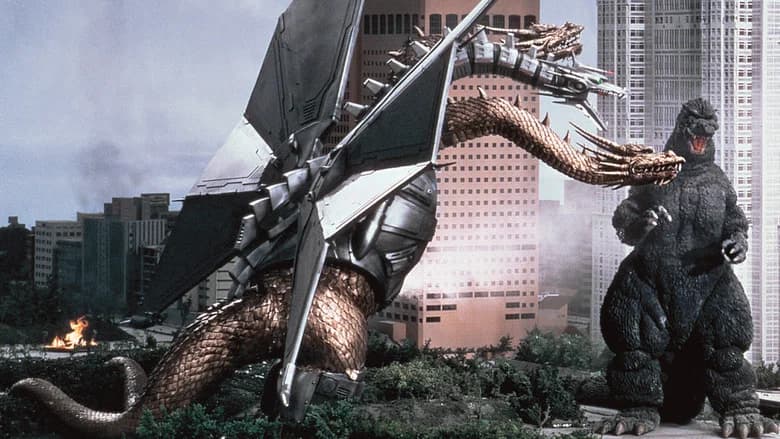
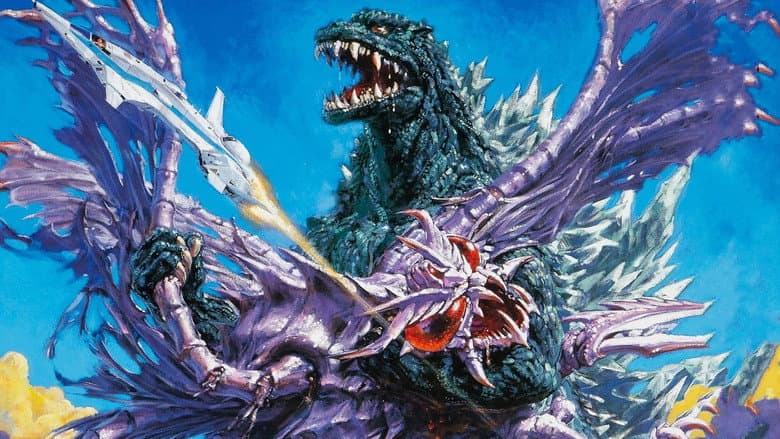
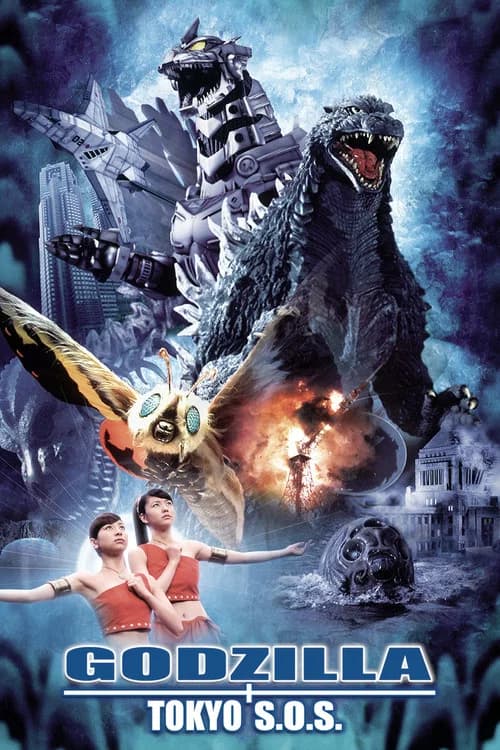
“Godzilla: Tokyo S.O.S. (2003) is a Japanese 2000s action-fantasy that stages a contest between ancestral guardians and mechanized national defense. It compresses that conflict into tactile miniature work, suit-based performance and calibrated digital compositing to preserve scale and consequence. The film articulates a cultural tension in which technological deterrents confront obligations toward the dead.”
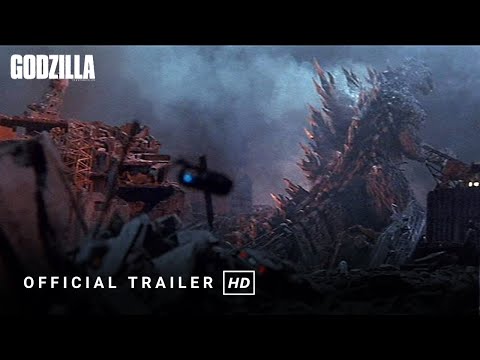
A film that combines intricate miniatures and practical effects to create an immersive urban landscape under siege. Its careful balance of human scale against towering monsters emphasizes the emotional stakes of the conflict. Ideal for fans of thoughtful action and epic fantasies.
Noboru Kaneko
Yoshito Chûjô

Miho Yoshioka
Pilot Azusa Kisaragi
Mitzuki Koga
Mechagodzilla Operator Kyôsuke Akiba
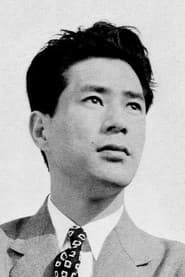
Hiroshi Koizumi
Dr. Shin'ichi Chûjô

Tsutomu Kitagawa
Gojira
Motokuni Nakagawa
Kiryu

Akira Nakao
Premier Hayoto Igarashi
Tatsuki Omori
Shun Chujo

Koh Takasugi
JSDF Lieutenant Togashi
Hideaki Murakami
First Assistant Director

Masaaki Tezuka
Screenplay
Yuzo Abe
Second Unit First Assistant Director
Hiroshi Okamoto
Second Unit First Assistant Director
Masaaki Tezuka
Screenplay

Masahiro Yokotani
Screenplay

Kazunari Yamanaka
Producer

Shogo Tomiyama
Executive Producer
Ritsuko Suzuki
Associate Producer
Takashi Hirayama
Production Manager
Yoshinori Sekiguchi
Director of Photography
Yutaka Murata
Camera Operator
Shin Hayasaka
Visual Effects Camera
Kosuke Yamada
Assistant Camera
Shinichi Fushima
Editor
Kôichi Takahashi
Assistant Editor
Asako Takatsuka
Assistant Editor
Yumiko Nakaba
Negative Cutter

Michiru Oshima
Original Music Composer

Yūji Koseki
Music
Kazunori Shimizu
Music Editor
Kyoko Kitahara
Music Producer
Yukiharu Seshimo
Production Design
Chuichi Yanagibori
Set Decoration
Yasuo Kashima
Set Dresser
Mami Ishida
Property Master

Shinichi Wakasa
Modeling
Yasushi Torisawa
Wardrobe Designer
Masato Arai
Wardrobe Designer
Yasuko Anbiru
Wardrobe Designer
Kenji Shibasaki
Sound Effects
Shin'ichi Itô
Sound Effects
Hideyo Sasaki
Sound Effects
Katsuhiro Miura
Sound Mixer
Akira Kato
Visual Effects
Hajime Matsumoto
Visual Effects Supervisor
Shinichi Wakasa
Modeling
Yasushi Torisawa
Wardrobe Designer
Kenji Saito
Casting
Shinichi Takahashi
Stunt Coordinator
Makoto Watanabe
Stunt Coordinator
Satoshi Narumi
Stunt Coordinator
Mitsunori Tono
Stunt Coordinator
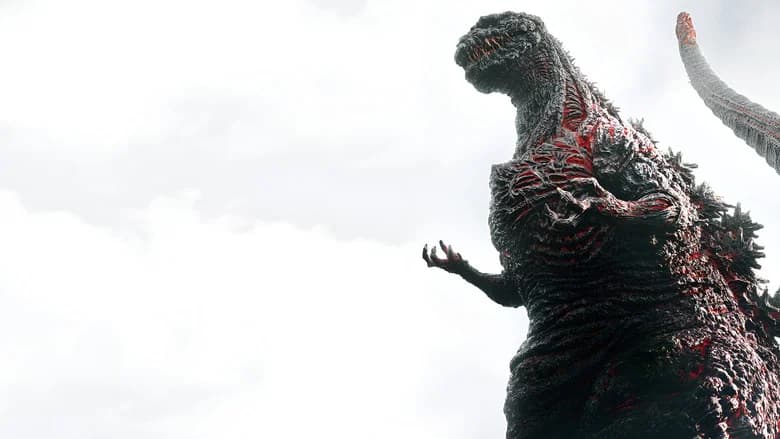
When a massive, gilled monster emerges from the deep and tears through the city, the government scrambles to save its citizens. A rag-tag team of volunteers cuts through a web of red tape to uncover the monster's weakness and its mysterious ties to a foreign superpower. But time is not on their side - the greatest catastrophe to ever befall the world is about to evolve right before their very eyes.
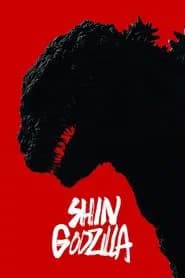
When a massive, gilled monster emerges from the deep and tears through the city, the government scrambles to save its citizens. A rag-tag team of volunteers cuts through a web of red tape to uncover the monster's weakness and its mysterious ties to a foreign superpower. But time is not on their side - the greatest catastrophe to ever befall the world is about to evolve right before their very eyes.
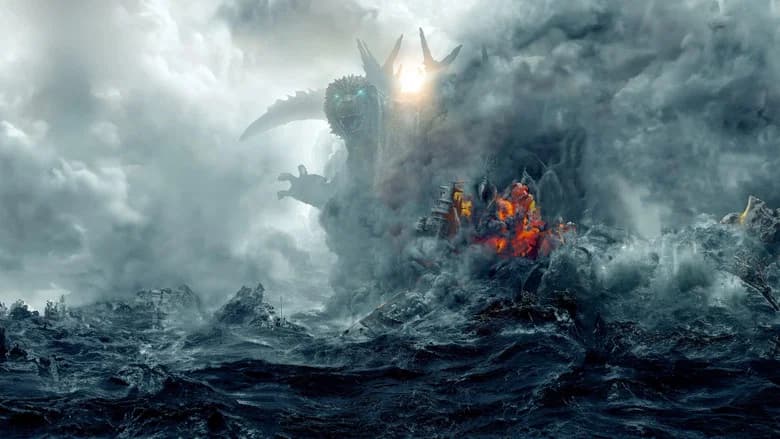
In postwar Japan, Godzilla brings new devastation to an already scorched landscape. With no military intervention or government help in sight, the survivors must join together in the face of despair and fight back against an unrelenting horror.

In postwar Japan, Godzilla brings new devastation to an already scorched landscape. With no military intervention or government help in sight, the survivors must join together in the face of despair and fight back against an unrelenting horror.
The Futurians, time-travelers from the 23rd century, arrive in Japan to warn them of the nation's destruction under Godzilla. They offer to help erase Godzilla from history by preventing his creation. With Godzilla seemingly gone, a new monster emerges as the Futurians' true intentions are revealed.
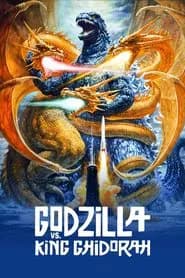
The Futurians, time-travelers from the 23rd century, arrive in Japan to warn them of the nation's destruction under Godzilla. They offer to help erase Godzilla from history by preventing his creation. With Godzilla seemingly gone, a new monster emerges as the Futurians' true intentions are revealed.
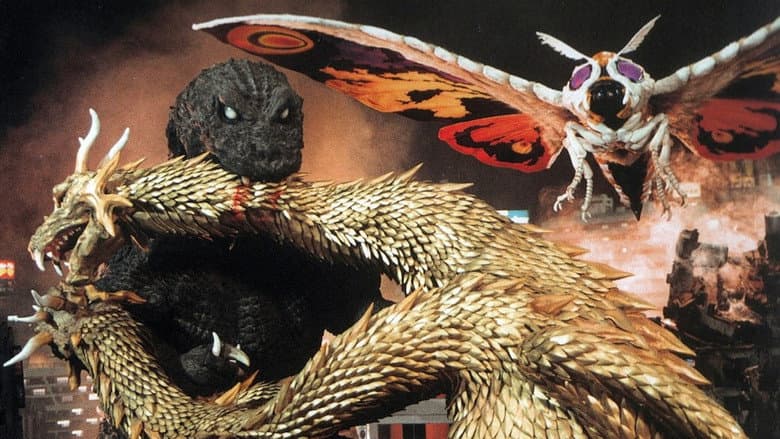
Godzilla has become a distant memory for Japan when the destruction of a US submarine raises alarms for Admiral Tachibana. His estranged daughter Yuri investigates the legend of the guardian monsters, who must rise to protect Japan against the vengeful spirits within Godzilla that seek to destroy both the nation and its people for the suffering they inflicted in the Pacific conflict.
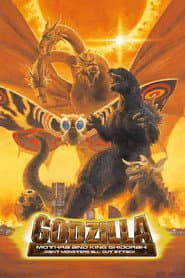
Godzilla has become a distant memory for Japan when the destruction of a US submarine raises alarms for Admiral Tachibana. His estranged daughter Yuri investigates the legend of the guardian monsters, who must rise to protect Japan against the vengeful spirits within Godzilla that seek to destroy both the nation and its people for the suffering they inflicted in the Pacific conflict.
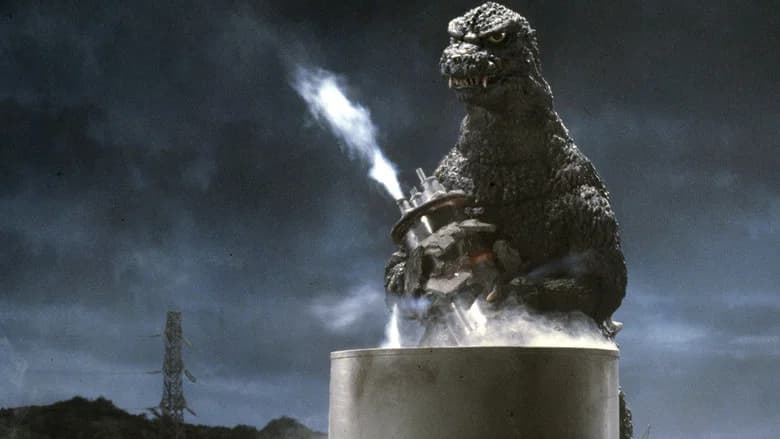
Originally released in Japan as "The Return of Godzilla" in 1984, this is the heavily re-edited, re-titled "Godzilla 1985". Adding in new footage of Raymond Burr, this 16th Godzilla film ignores all previous sequels and serves as a direct follow-up to the 1956 "Godzilla King of the Monsters", which also featured scenes with Burr edited into 1954's "Godzilla". This film restores the darker tone of the original, as we witness the nuclear destruction of giant lizard terrorizing Japan.
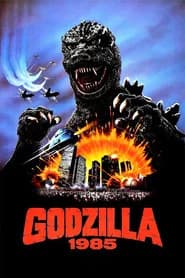
Originally released in Japan as "The Return of Godzilla" in 1984, this is the heavily re-edited, re-titled "Godzilla 1985". Adding in new footage of Raymond Burr, this 16th Godzilla film ignores all previous sequels and serves as a direct follow-up to the 1956 "Godzilla King of the Monsters", which also featured scenes with Burr edited into 1954's "Godzilla". This film restores the darker tone of the original, as we witness the nuclear destruction of giant lizard terrorizing Japan.
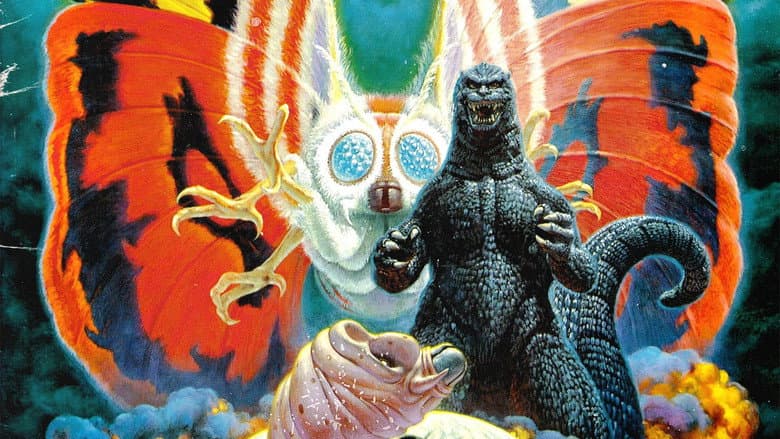
Mothra's dark counterpart, Battra, emerges to eliminate humanity on behalf of the Earth. Two tiny fairies called the Cosmos offer their help by calling Mothra to battle the creature. Unfortunately a meteorite has awoken a hibernating Godzilla as a three way battle for the Earth begins.
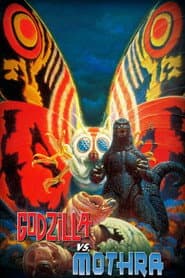
Mothra's dark counterpart, Battra, emerges to eliminate humanity on behalf of the Earth. Two tiny fairies called the Cosmos offer their help by calling Mothra to battle the creature. Unfortunately a meteorite has awoken a hibernating Godzilla as a three way battle for the Earth begins.
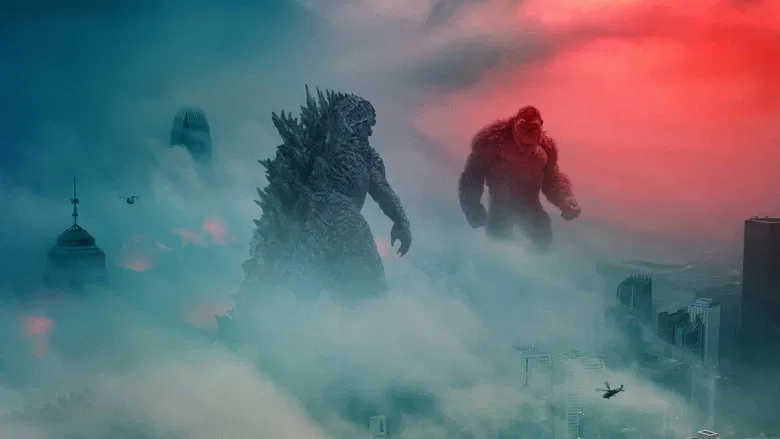
In a time when monsters walk the Earth, humanity’s fight for its future sets Godzilla and Kong on a collision course that will see the two most powerful forces of nature on the planet collide in a spectacular battle for the ages.
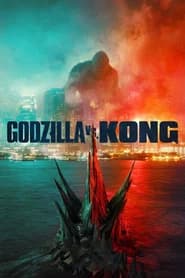
In a time when monsters walk the Earth, humanity’s fight for its future sets Godzilla and Kong on a collision course that will see the two most powerful forces of nature on the planet collide in a spectacular battle for the ages.
In an alternate timeline the original Godzilla is never defeated and repeatedly reemerges to feed on Japan's energy sources. A new inter-dimensional weapon called the Dimension Tide is created with the intent of eliminating Godzilla. However, the new weapon might also serve as a gateway to something far more sinister.
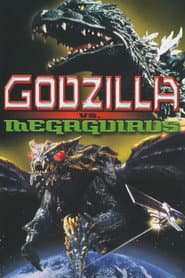
In an alternate timeline the original Godzilla is never defeated and repeatedly reemerges to feed on Japan's energy sources. A new inter-dimensional weapon called the Dimension Tide is created with the intent of eliminating Godzilla. However, the new weapon might also serve as a gateway to something far more sinister.
 JUST OUT
 JUST OUT
 JUST OUT
 JUST OUT
 FRESH
FRESH FRESH
FRESH FRESH
FRESH