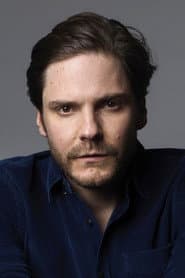
Daniel Brühl
Alex
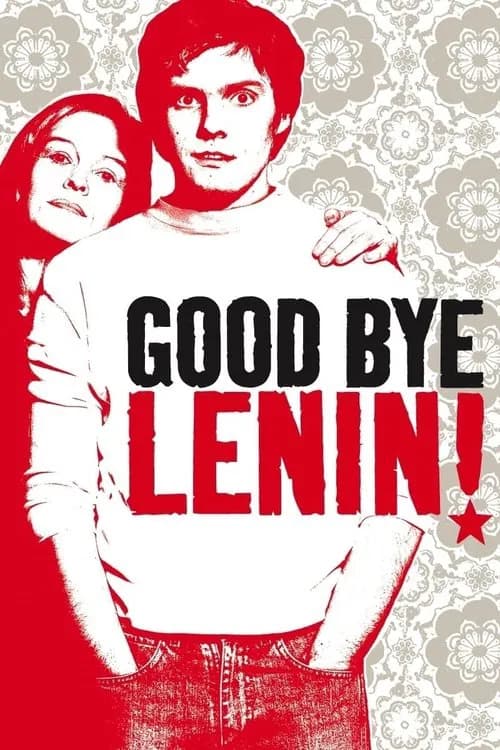
“Good Bye, Lenin! (2003) is a 2000s German comedy-drama that stages a private reconstruction of recent history around a single family's living room. Its central conflict—safeguarding a mother's political belief through a household ruse—is realized in measured framing and domestic tableaux that prioritize small choreographies over spectacle. The film demonstrates how performative memory mediates intergenerational care and asks what is owed to both truth and tenderness.”
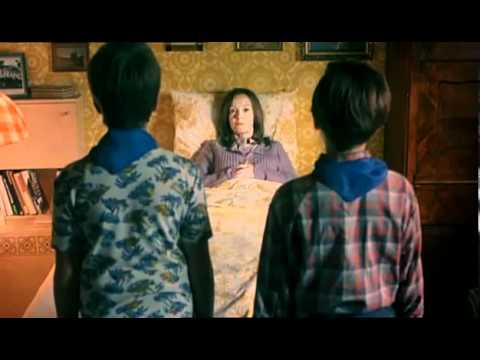
This film navigates the delicate balance between truth and deception as a son curates a convincing past for his politically devoted mother. Its humor intertwines with ethical complexities, reflecting on the intimate labor of memory and history. Best for those who appreciate subtle critiques woven into familial narratives.

Katrin Sass
Mother

Chulpan Khamatova
Lara
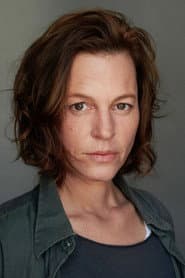
Maria Simon
Ariane
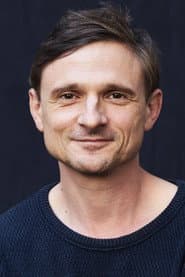
Florian Lukas
Denis
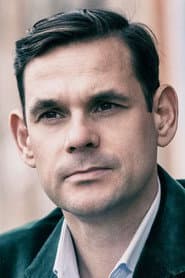
Alexander Beyer
Rainer

Michael Gwisdek
Klapprath

Christine Schorn
Ms. Schäfer
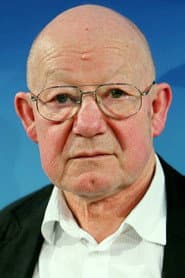
Jürgen Holtz
Mr. Ganske
Sarah Gross
First Assistant Director
Marcus Welsch
Second Assistant Director
Susanne Boeing
Second Assistant Director
Sandra Scheucher
Script Supervisor

Wolfgang Becker
Screenplay

Hendrik Handloegten
Screenplay
Chris Silber
Screenplay
Achim von Borries
Screenplay

Stefan Arndt
Producer
Andreas Schreitmüller
Producer

Manuela Stehr
Producer
Katja De Bock
Producer
Martin Kukula
Director of Photography
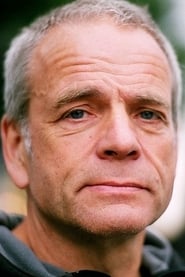
Jörg Widmer
Steadicam Operator
Klemens Becker
Steadicam Operator
Ralph Kaechele
Second Unit Director of Photography
Peter R. Adam
Editor

Yann Tiersen
Original Music Composer
Andro Steinborn
Music Supervisor
Lothar Holler
Production Design
Matthias Klemme
Art Direction
Christian Schaefer
Set Designer
Andrea Eisensee
Set Dresser
Aenne Plaumann
Costume Design

Heike Merker
Makeup Artist
Lena Lazzarotto
Makeup Artist
Birger Laube
Makeup Artist
Dirk Jacob
Sound Designer
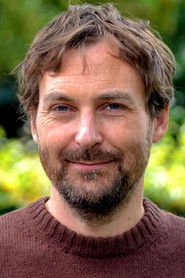
Lars Ginzel
Sound Effects Editor
Kuen-Il Song
Sound Effects Editor
Jörn Poetzl
Foley

Simone Bär
Casting
In 1984 East Berlin, dedicated Stasi officer Gerd Wiesler begins spying on a famous playwright and his actress-lover Christa-Maria. Wiesler becomes unexpectedly sympathetic to the couple, and faces conflicting loyalties when his superior takes a liking to Christa-Maria.
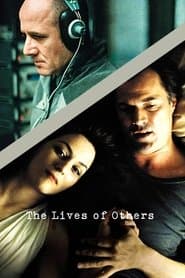
In 1984 East Berlin, dedicated Stasi officer Gerd Wiesler begins spying on a famous playwright and his actress-lover Christa-Maria. Wiesler becomes unexpectedly sympathetic to the couple, and faces conflicting loyalties when his superior takes a liking to Christa-Maria.
In a village trapped by generations of bloodshed, a determined young man dares to challenge the traditions fueling an endless cycle of violence.
In a post-WWII Yugoslavia still under Stalinist rule in the 1950s, six-year-old Malik is oblivious as to why his father, Mehmed, has suddenly disappeared. In truth, Mehmed has been sent to a labor camp as punishment for acts of sexual indiscretion involving young girls. Malik's mother, Senija, however, has no answers, and the family must cope in the father's absence.
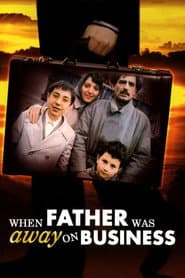
In a post-WWII Yugoslavia still under Stalinist rule in the 1950s, six-year-old Malik is oblivious as to why his father, Mehmed, has suddenly disappeared. In truth, Mehmed has been sent to a labor camp as punishment for acts of sexual indiscretion involving young girls. Malik's mother, Senija, however, has no answers, and the family must cope in the father's absence.
In October 1989, the part of the West Berlin borough of Kreuzberg called SO 36, had been largely shut off by the Wall from the rest of the city for 28 years. A lethargic sub-culture of students, artists, bohemians and barflys had flourished among crumbling buildings. Part of that microcosm is barkeeper Frank, semi-formally called 'Herr Lehmann' by friends and patrons. He hangs out drinking, sports utter disregard for anything beyond SO 36 and lazily pursues an affair with cook Katrin. His lifestyle is gradually disturbed, when his parents show up for a visit, things go awry with Katrin and his best friend Karl starts to act strange. Meanwhile, political turmoil mounts on the other side of the Wall.
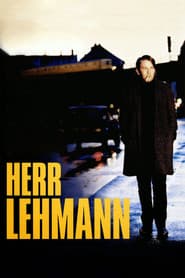
In October 1989, the part of the West Berlin borough of Kreuzberg called SO 36, had been largely shut off by the Wall from the rest of the city for 28 years. A lethargic sub-culture of students, artists, bohemians and barflys had flourished among crumbling buildings. Part of that microcosm is barkeeper Frank, semi-formally called 'Herr Lehmann' by friends and patrons. He hangs out drinking, sports utter disregard for anything beyond SO 36 and lazily pursues an affair with cook Katrin. His lifestyle is gradually disturbed, when his parents show up for a visit, things go awry with Katrin and his best friend Karl starts to act strange. Meanwhile, political turmoil mounts on the other side of the Wall.
The heroic story of a dictator who risks his life to ensure that democracy would never come to the country he so lovingly oppressed.

The heroic story of a dictator who risks his life to ensure that democracy would never come to the country he so lovingly oppressed.
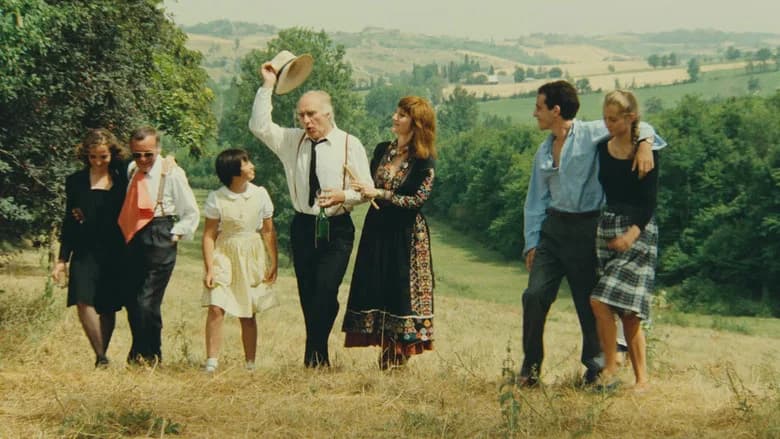
During the events of May 1968 in France, different worldviews of conflicting relatives collide in their family estate.
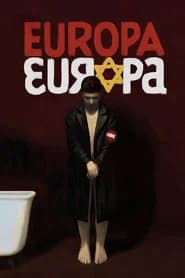
A Jewish boy separated from his family in the early days of WWII poses as a German orphan and is taken into the heart of the Nazi world as a 'war hero' and eventually becomes a Hitler Youth.
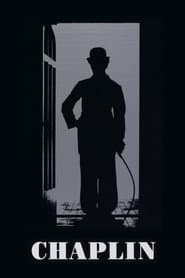
An aged Charlie Chaplin narrates his life to his autobiography's editor, including his rise to wealth and comedic fame from poverty, his turbulent personal life and his run-ins with the FBI.
 JUST OUT
 JUST OUT
 JUST OUT
 JUST OUT
 FRESH
FRESH FRESH
FRESH FRESH
FRESH