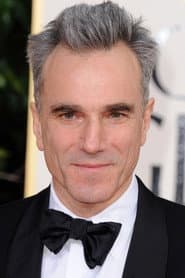
Daniel Day-Lewis
Christy Brown
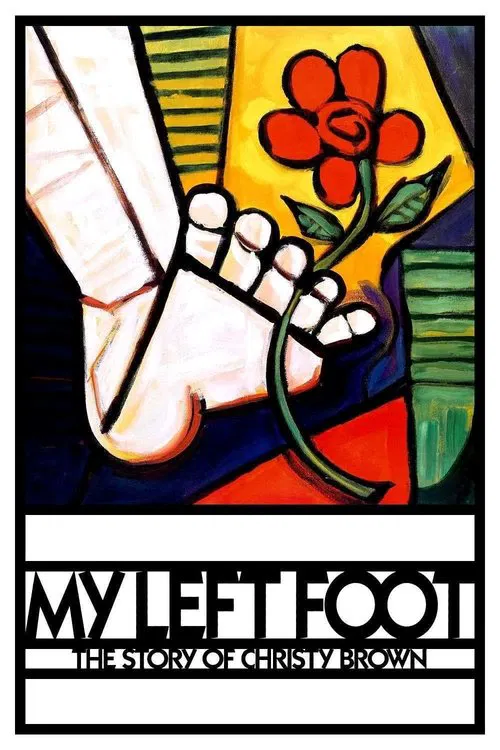
“My Left Foot: The Story of Christy Brown (1989) is a 1980s Irish-British drama that stages a working-class domestic dyad as the site of moral and creative contest. It frames a core conflict between physical dependency and artistic agency through tight framing, measured blocking, and performance-driven micro-gesture rather than expository spectacle. The film reorients biopic conventions by making embodied labor the argument and so reframes disability as a vehicle for layered ethical and aesthetic inquiry.”
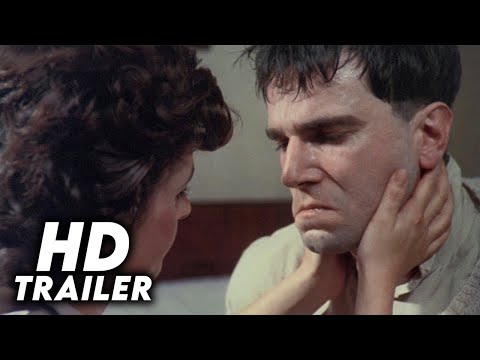
This film explores the intricate relationship between Christy Brown and his mother as they navigate dependency and creative expression. Through tight framing and thoughtful performances, it invites the audience to consider the moral complexities of caregiving. Best suited for those who appreciate layered narratives and the subtleties of interpersonal dynamics.
Alison Whelan
Sheila
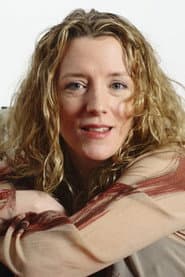
Kirsten Sheridan
Sharon
Declan Croghan
Tom
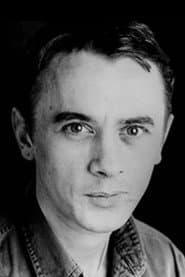
Eanna MacLiam
Benny
Marie Conmee
Sadie

Cyril Cusack
Lord Castlewelland
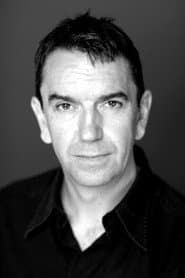
Phelim Drew
Brian
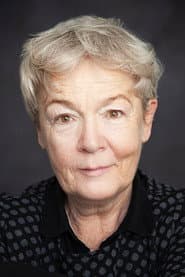
Ruth McCabe
Mary
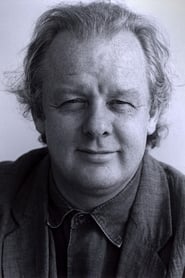
Jim Sheridan
Director
Michael Rowland
Second Assistant Director
Kevan Barker
Assistant Director
Jim Sheridan
Screenplay
Shane Connaughton
Screenplay
Christy Brown
Book
Noel Pearson
Producer
Paul M. Heller
Executive Producer
Steve Morrison
Executive Producer
Arthur Lappin
Line Producer
Jack Conroy
Director of Photography
Des Whelan
Camera Operator
John Murphy
Grip
Jonathan Hession
Still Photographer
J. Patrick Duffner
Editor
Ron Davis
Sound Editor
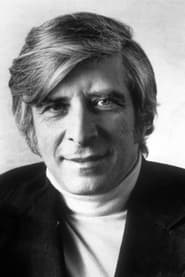
Elmer Bernstein
Original Music Composer
Kathy Durning
Music Editor
Austen Spriggs
Production Design
Shirley Lynch
Set Decoration
Mark Geraghty
Assistant Art Director
Russ Bailey
Construction Coordinator
Joan Bergin
Costume Design
Ken Jennings
Makeup Artist
Anne Dunne
Hairstylist
Kieran Horgan
Sound mixer
Ron Davis
Sound Editor
Kathy Durning
Music Editor
Gerry Johnston
Special Effects Coordinator
Nuala Moiselle
Casting
Terence Plummer
Stunts
Alan Walsh
Stunts
Dave Holland
Stunts

Steve Dent
Stunts
After suffering a stroke, an altruistic maid announces that she wants to quit her job and move into an old people's home.

After suffering a stroke, an altruistic maid announces that she wants to quit her job and move into an old people's home.
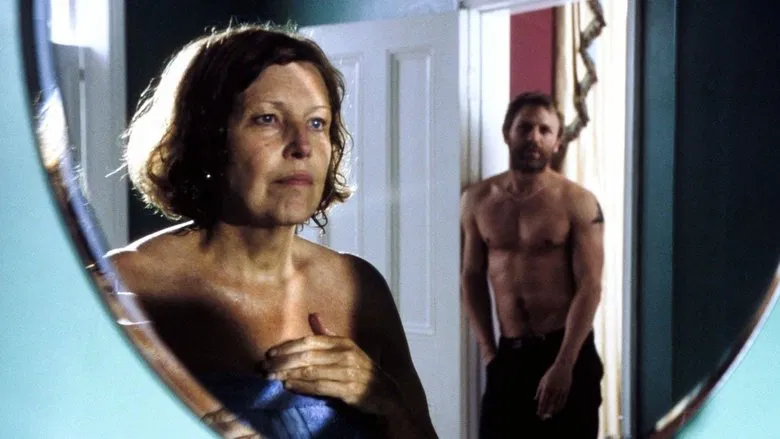
A grandmother has a passionate affair with a man half her age, who is also sleeping with her daughter.

A grandmother has a passionate affair with a man half her age, who is also sleeping with her daughter.
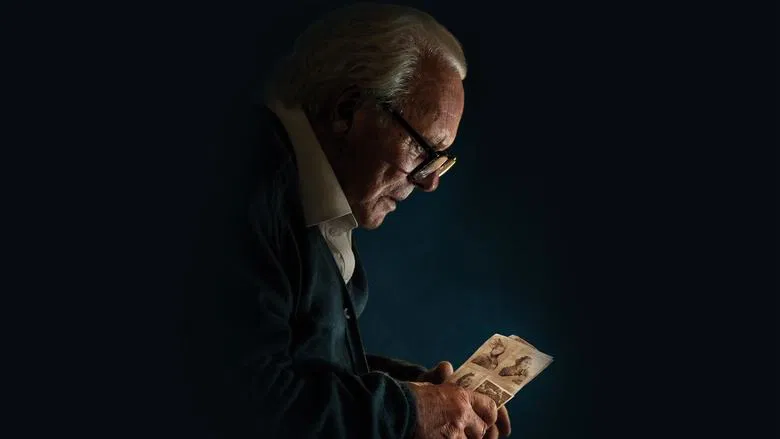
British stockbroker Nicholas Winton visits Czechoslovakia in the 1930s and forms plans to assist in the rescue of Jewish children before the onset of World War II, in an operation that came to be known as the Kindertransport.
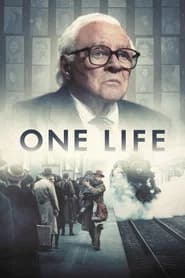
British stockbroker Nicholas Winton visits Czechoslovakia in the 1930s and forms plans to assist in the rescue of Jewish children before the onset of World War II, in an operation that came to be known as the Kindertransport.
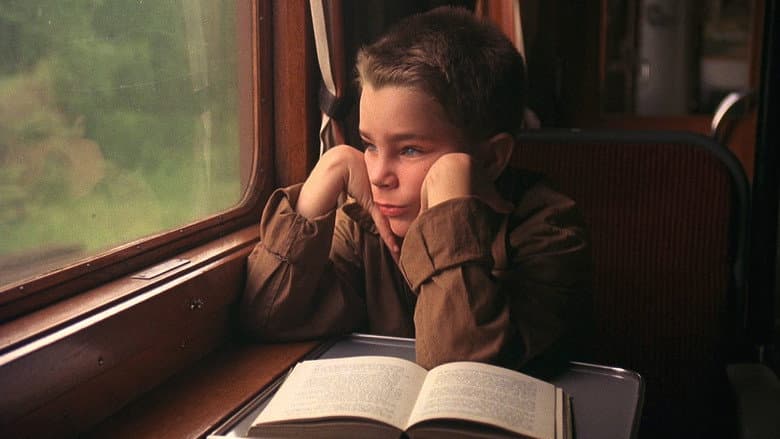
A boy, obsessed with comparing himself with those less fortunate, experiences a different life at the home of his aunt and uncle in 1959 Sweden.
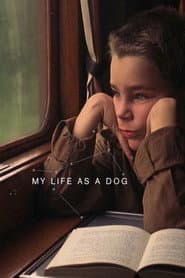
A boy, obsessed with comparing himself with those less fortunate, experiences a different life at the home of his aunt and uncle in 1959 Sweden.
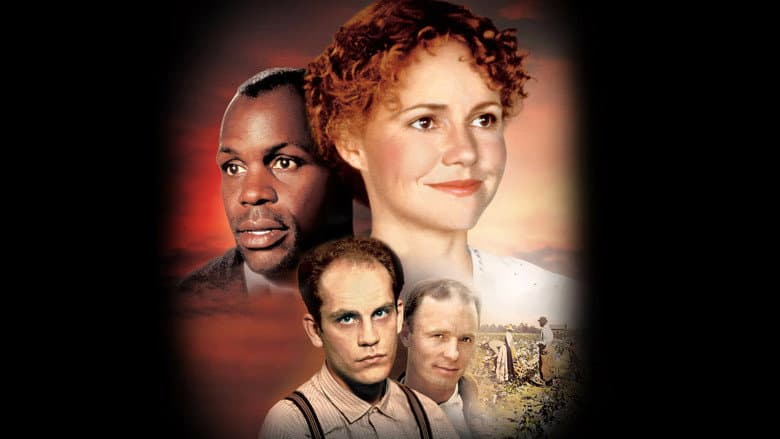
In 1935 rural Texas, recently widowed Edna Spaulding struggles to survive with two small children, a farm to run, and very little money in the bank - not to mention a deadly tornado and the unwelcome presence of the Ku Klux Klan. Edna is aided by her beautician sister, Margaret; a blind boarder, Mr. Will; and a would-be thief, Moze, who decides to teach Edna how to plant and harvest cotton.
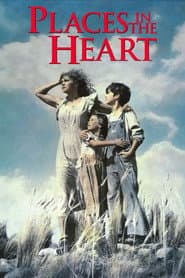
In 1935 rural Texas, recently widowed Edna Spaulding struggles to survive with two small children, a farm to run, and very little money in the bank - not to mention a deadly tornado and the unwelcome presence of the Ku Klux Klan. Edna is aided by her beautician sister, Margaret; a blind boarder, Mr. Will; and a would-be thief, Moze, who decides to teach Edna how to plant and harvest cotton.
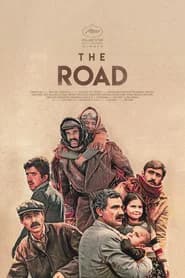
When five Kurdish prisoners are granted one week's home leave, they find to their dismay that they face continued oppression outside of prison from their families, the culture, and the government.
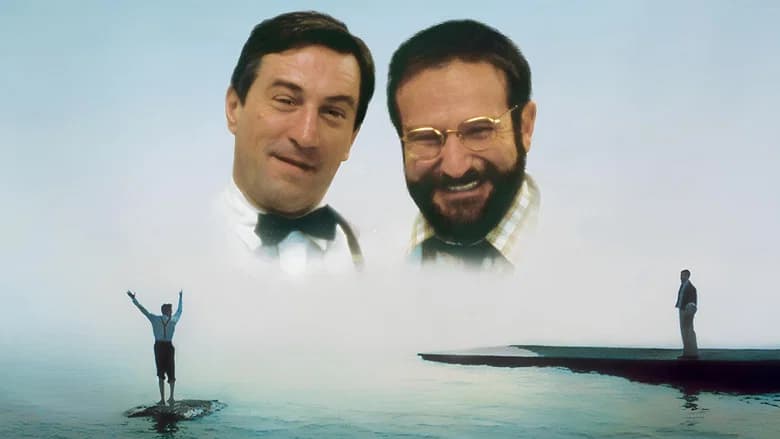
Dr. Malcolm Sayer, a shy research physician, uses an experimental drug to "awaken" the catatonic victims of a rare disease. Leonard is the first patient to receive the controversial treatment. His awakening, filled with awe and enthusiasm, proves a rebirth for Sayer too, as the exuberant patient reveals life's simple but unutterably sweet pleasures to the introverted doctor.
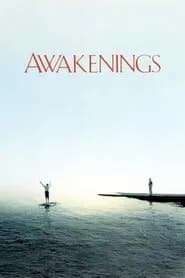
Dr. Malcolm Sayer, a shy research physician, uses an experimental drug to "awaken" the catatonic victims of a rare disease. Leonard is the first patient to receive the controversial treatment. His awakening, filled with awe and enthusiasm, proves a rebirth for Sayer too, as the exuberant patient reveals life's simple but unutterably sweet pleasures to the introverted doctor.
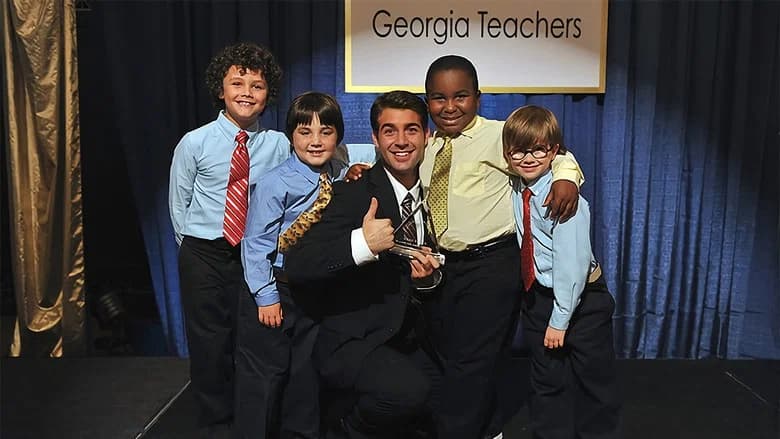
A boy with Tourette's syndrome overcomes criticism and discrimination to achieve his dream of becoming a teacher.

A boy with Tourette's syndrome overcomes criticism and discrimination to achieve his dream of becoming a teacher.
 JUST OUT
 JUST OUT
 JUST OUT
 JUST OUT
 FRESH
FRESH FRESH
FRESH FRESH
FRESH