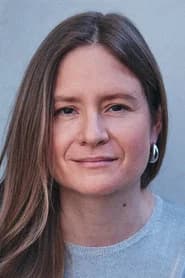
Julia Jentsch
Sophie Magdalena Scholl
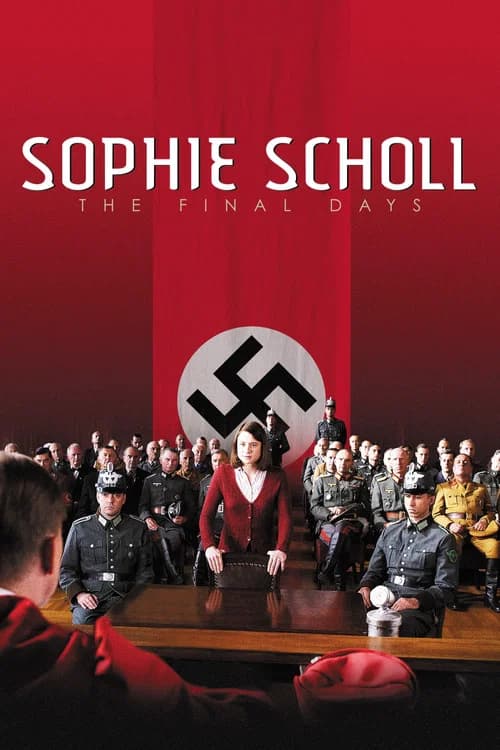
“Sophie Scholl: The Final Days (2005) is a 2000s German historical drama that stages a 1943 moral confrontation under Nazi rule. It concentrates the pressure between a captured student and her Gestapo interrogator into measured dramaturgy, favoring tight-framing and slow-burn pacing around interrogation-focused staging. The film asserts that individual conscience serves as a critical index of national memory and performs a German-facing act of Vergangenheitsbewältigung.”
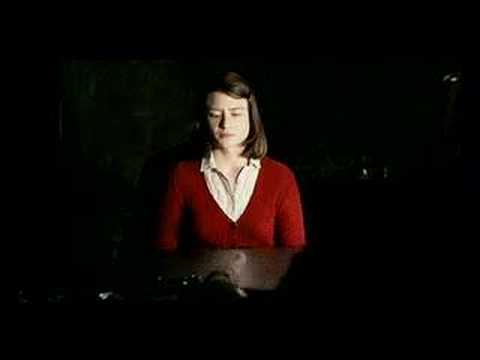
This film centers on the interrogation of Sophie Scholl by a Gestapo agent, highlighting the ethical dilemmas faced during oppressive regimes. The nuanced performances and slow pacing create a palpable tension around the confrontation, raising profound questions about personal conviction versus societal duty. Ideal for those interested in moral complexities in history.
Julia Jentsch
Sophie Magdalena Scholl
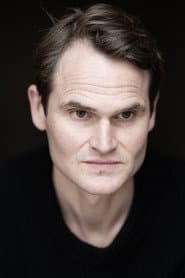
Fabian Hinrichs
Hans Scholl
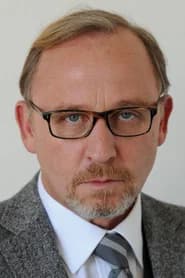
Alexander Held
Robert Mohr
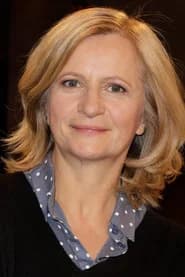
Johanna Gastdorf
Else Gebel

André Hennicke
Judge Dr. Roland Freisler
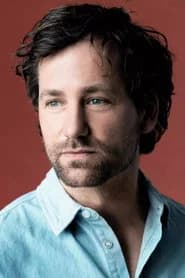
Florian Stetter
Christoph Probst
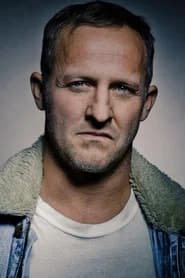
Maximilian Brückner
Willi Graf
Johannes Suhm
Alexander Schmorell
Jörg Hube
Robert Scholl
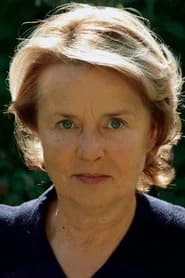
Petra Kelling
Magdalena Scholl
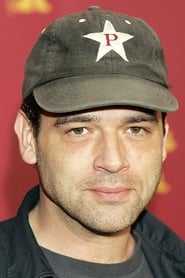
Marc Rothemund
Director
Hans Horn
Editorial Services
Fred Breinersdorfer
Producer
Ulrich Chaussy
Researcher
Marc Rothemund
Producer
Fred Breinersdorfer
Producer
Sven Burgemeister
Producer
Andreas Schreitmüller
Co-Producer
Martin Langer
Director of Photography
Nathalie Wiedemann
Camera Operator
Thomas Frischhut
Steadicam Operator
Marcus Pohlus
Steadicam Operator
Hans Funck
Editor
Magda Habernickel
Dialogue Editor
Hans Horn
Editorial Services

Johnny Klimek
Music
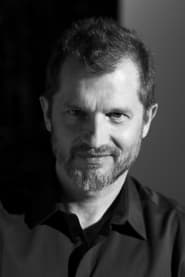
Reinhold Heil
Music
Jana Karen
Production Design
Maximilian Lange
Production Design
Josef Jacob
Construction Coordinator
Arnold Müller
Painter
Natascha Curtius-Noss
Costume Design
Martine Flener
Makeup Artist
Gregor Eckstein
Makeup Artist
Jeanette-Nicole Latzelsberger
Makeup Artist
Daniel Dietenberger
Sound Designer
Tschangis Chahrokh
Sound Re-Recording Mixer
Alexander Saal
Supervising Sound Editor
Magda Habernickel
Dialogue Editor
Oliver Kirchhoff
Visual Effects
Dominik Trimborn
Visual Effects Supervisor
Nessie Nesslauer
Casting
Stingo, a young writer, moves to Brooklyn in 1947 to begin work on his first novel. As he becomes friendly with Sophie and her lover Nathan, he learns that she is a Holocaust survivor. Flashbacks reveal her harrowing story, from pre-war prosperity to Auschwitz. In the present, Sophie and Nathan's relationship increasingly unravels as Stingo grows closer to Sophie and Nathan's fragile mental state becomes ever more apparent.

Stingo, a young writer, moves to Brooklyn in 1947 to begin work on his first novel. As he becomes friendly with Sophie and her lover Nathan, he learns that she is a Holocaust survivor. Flashbacks reveal her harrowing story, from pre-war prosperity to Auschwitz. In the present, Sophie and Nathan's relationship increasingly unravels as Stingo grows closer to Sophie and Nathan's fragile mental state becomes ever more apparent.
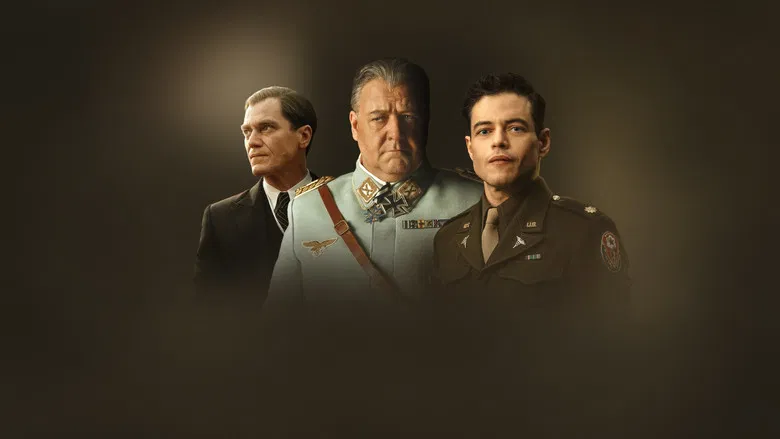
In postwar Germany, an American psychiatrist must determine whether Nazi prisoners are fit to go on trial for war crimes, and finds himself in a complex battle of intellect and ethics with Hermann Göring, Hitler's right-hand man.
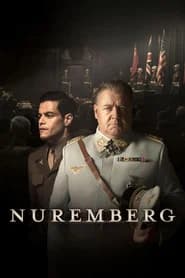
In postwar Germany, an American psychiatrist must determine whether Nazi prisoners are fit to go on trial for war crimes, and finds himself in a complex battle of intellect and ethics with Hermann Göring, Hitler's right-hand man.
In the Warsaw ghetto in 1943, Jews rise against the Nazis.
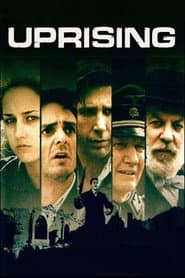
In the Warsaw ghetto in 1943, Jews rise against the Nazis.
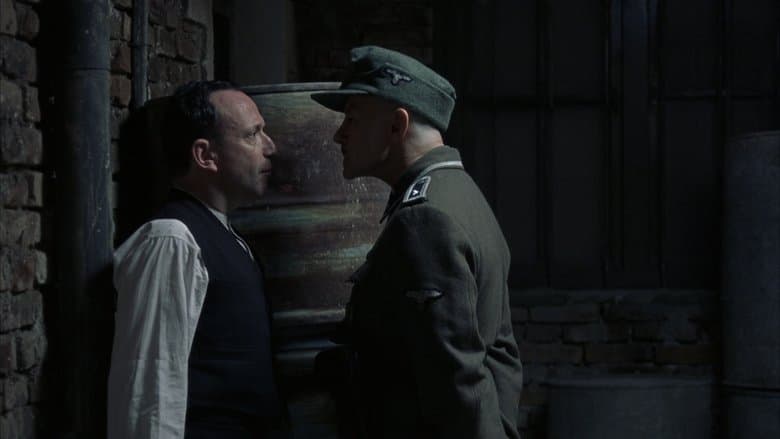
Israel, 1956: Jewish teacher Rachel Stein rather unexpectedly meets an old friend at the kibbutz. It brings back memories of her experiences in the Netherlands during the war, memories of betrayal. In September 1944, Rachel's hiding place is bombed by Allied troops; she makes contact with a resistance member and joins a group of Jews to be smuggled across the Biesbosch to the freed South Netherlands. Only Rachel escapes a massacre by patrol Germans, and is rescued by a resistance group under the leadership of Gerben Kuipers, whose son is captured trying to smuggle weapons. Kuipers asks Rachel to seduce SS-hauptsturmführer Ludwig Müntze, a mission that she will soon learn that the boat attack wasn't a coincidence.
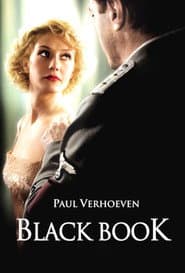
Israel, 1956: Jewish teacher Rachel Stein rather unexpectedly meets an old friend at the kibbutz. It brings back memories of her experiences in the Netherlands during the war, memories of betrayal. In September 1944, Rachel's hiding place is bombed by Allied troops; she makes contact with a resistance member and joins a group of Jews to be smuggled across the Biesbosch to the freed South Netherlands. Only Rachel escapes a massacre by patrol Germans, and is rescued by a resistance group under the leadership of Gerben Kuipers, whose son is captured trying to smuggle weapons. Kuipers asks Rachel to seduce SS-hauptsturmführer Ludwig Müntze, a mission that she will soon learn that the boat attack wasn't a coincidence.
The story of Auschwitz's twelfth Sonderkommando — one of the thirteen consecutive "Special Squads" of Jewish prisoners placed by the Nazis in the excruciating moral dilemma of assisting in the extermination of fellow Jews in exchange for a few more months of life.
The story of Auschwitz's twelfth Sonderkommando — one of the thirteen consecutive "Special Squads" of Jewish prisoners placed by the Nazis in the excruciating moral dilemma of assisting in the extermination of fellow Jews in exchange for a few more months of life.
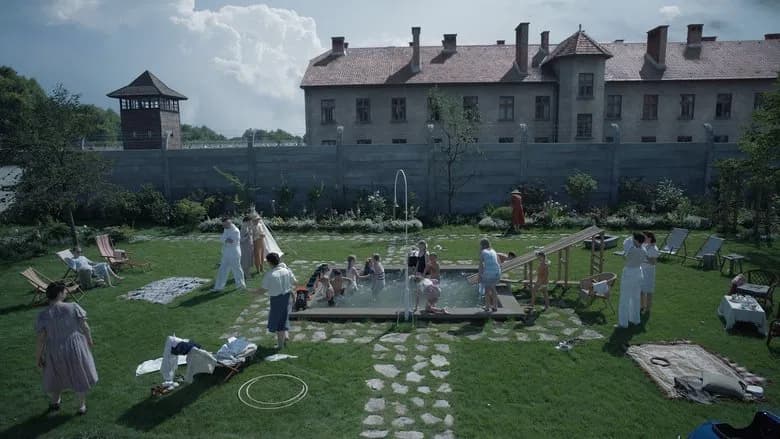
The commandant of Auschwitz, Rudolf Höss, and his wife Hedwig, strive to build a dream life for their family in a house and garden next to the camp.
The commandant of Auschwitz, Rudolf Höss, and his wife Hedwig, strive to build a dream life for their family in a house and garden next to the camp.
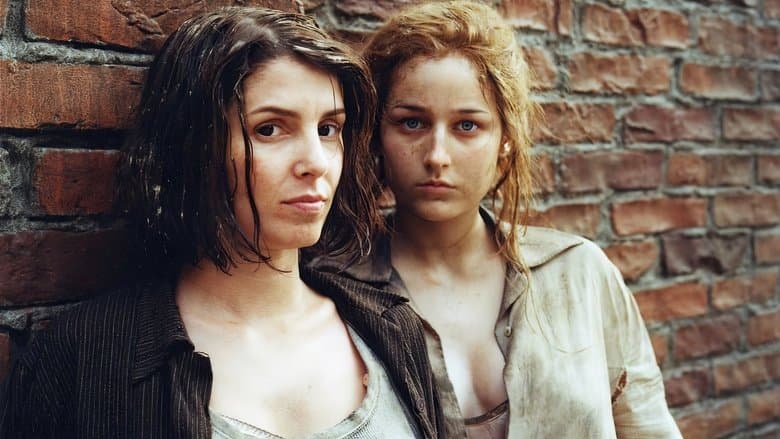
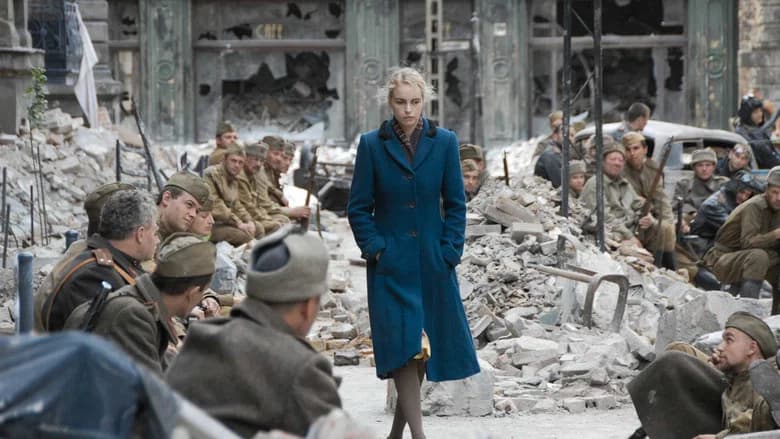
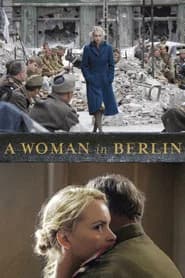
A woman tries to survive the invasion of Berlin by the Soviet troops during the last days of World War II.
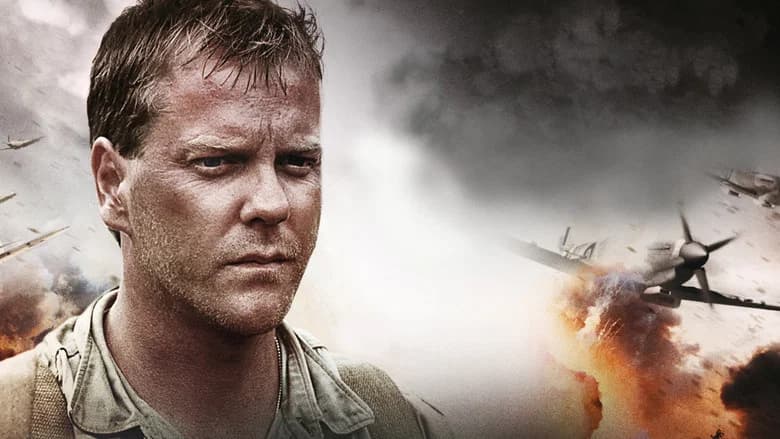
Based on a real-life story, this drama focuses on a small group of Allied soldiers in Burma who are held captive by the Japanese. Capt. Ernest Gordon, Lt. Jim Reardon and Maj. Ian Campbell are among the military officers kept imprisoned and routinely beaten and deprived of food. While Campbell wants to rebel and attempt an escape, Gordon tries to take a more stoic approach, an attitude that proves to be surprisingly resonant.
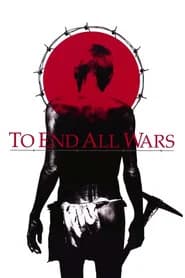
Based on a real-life story, this drama focuses on a small group of Allied soldiers in Burma who are held captive by the Japanese. Capt. Ernest Gordon, Lt. Jim Reardon and Maj. Ian Campbell are among the military officers kept imprisoned and routinely beaten and deprived of food. While Campbell wants to rebel and attempt an escape, Gordon tries to take a more stoic approach, an attitude that proves to be surprisingly resonant.
 JUST OUT
 JUST OUT
 JUST OUT
 JUST OUT
 FRESH
FRESH FRESH
FRESH FRESH
FRESH