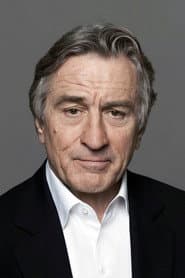
Robert De Niro
Rodrigo Mendoza
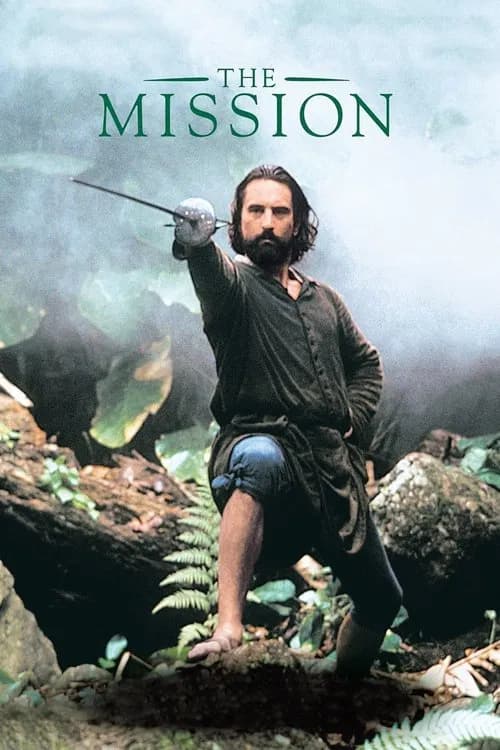
“The Mission (1986) is a 1980s period-drama that stages colonial confrontation through an Indigenous-Cinema lens filtered by French-cinema formal restraint. It frames a central moral contest between missionary conversion and imperial force using wide-anamorphic compositions and a slow-burn rhythm that privileges long silences and choreographed proximity. The film argues that ethical-tension produced by conversion and colonial-conflict compels civic reckoning rather than cinematic consolation.”
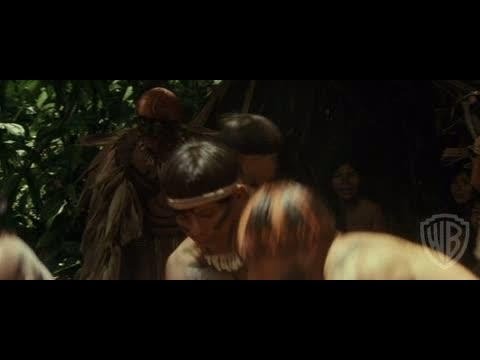
This film examines the complex dance between faith and historical violence through the relationship of a missionary and a former slave trader. With its slow pacing and rich visual language, it invites reflection on identity and ethical conflicts in the context of colonialism. Best suited for those who appreciate nuanced, introspective storytelling.
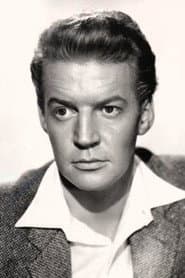
Ray McAnally
Cardinal Altamirano

Cherie Lunghi
Carlotta
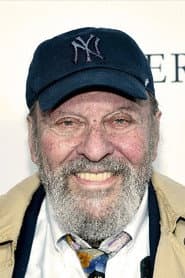
Chuck Low
Don Cabeza
Bercelio Moya
Indian Boy
Sigifredo Ismare
Witch Doctor
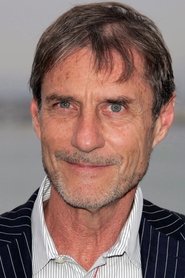
Roland Joffé
Director
Bill Westley
First Assistant Director
Gerry Toomey
Second Assistant Director
Kevin Westley
Additional Second Assistant Director
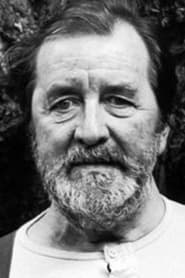
Robert Bolt
Screenplay
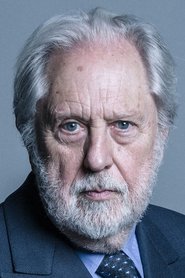
David Puttnam
Producer
Fernando Ghia
Producer
Alejandro Azzano
Executive Producer
Felipe López Caballero
Executive Producer
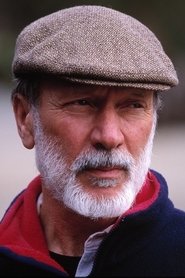
Chris Menges
Director of Photography
Mike Roberts
Camera Operator
Tony Cridlin
Grip
Bill Geddes
Grip
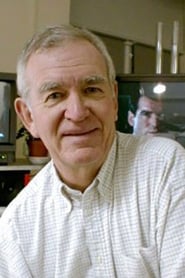
Jim Clark
Editor
Bryan Oates
First Assistant Editor
Tony Tromp
Assistant Editor
Martin Evans
Dialogue Editor
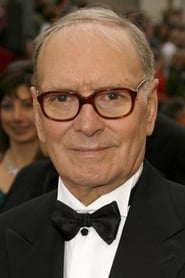
Ennio Morricone
Original Music Composer
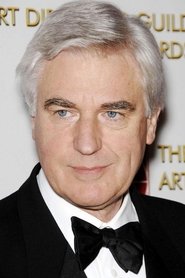
Stuart Craig
Production Design
John King
Art Direction
George Richardson
Art Direction
Peter Melrose
Art Direction
Enrico Sabbatini
Costume Design
Magdalen Gaffney
Makeup Artist
Ken Lintott
Makeup Artist
Sallie Evans
Makeup Artist
Clive Winter
Sound Mixer
Bill Rowe
Sound Mixer
Allan Brereton
Boom Operator
Ian Fuller
Sound Editor
Costas Charitou
Visual Effects
Martin Gant
Special Effects Technician
Peter Skehan
Special Effects Technician
Andrew Smith
Special Effects Technician

Susie Figgis
Casting
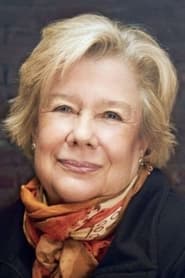
Juliet Taylor
Casting
Miguel Pedregosa
Stunts
Billy Horrigan
Stunts
Jordi Casares
Stunts
Bronco McLoughlin
Stunts
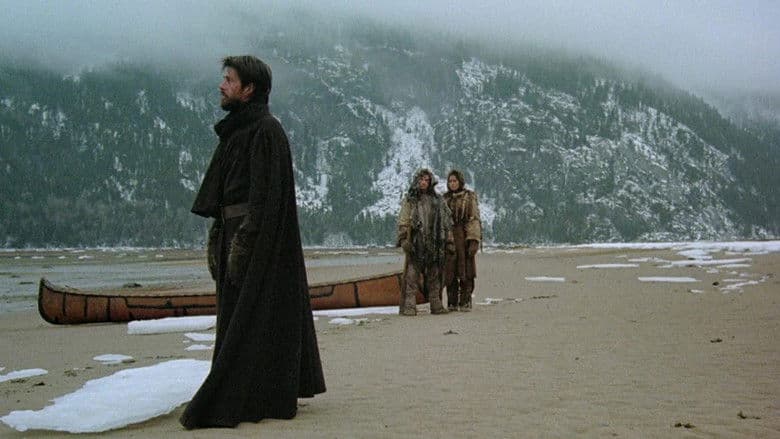
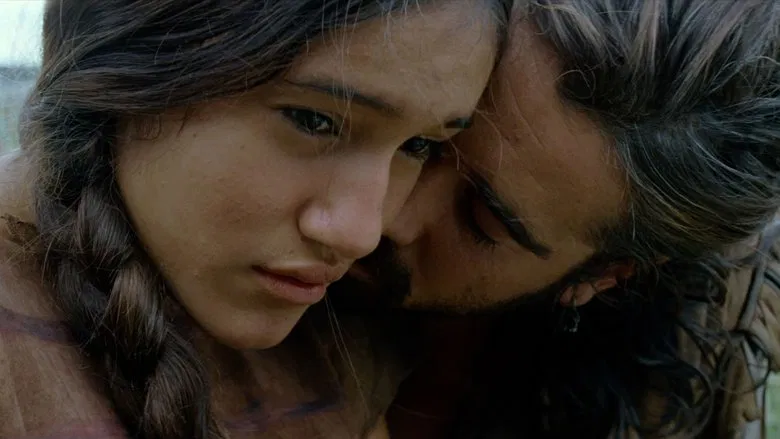
Missionary Father LaForgue travels to the New World in hopes of converting Algonquin Indians to Catholicism. Accepted, though warily, by the Indians, LaForgue travels with the Indians using his strict Catholic rules and ideals to try and impose his religion.
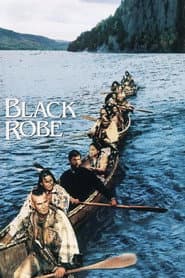
Missionary Father LaForgue travels to the New World in hopes of converting Algonquin Indians to Catholicism. Accepted, though warily, by the Indians, LaForgue travels with the Indians using his strict Catholic rules and ideals to try and impose his religion.
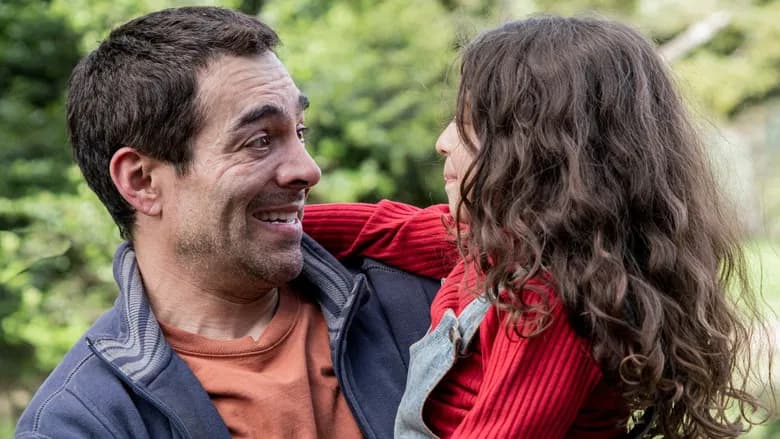
After being falsely accused of a terrible crime, Hector, a man with a neurological disability, goes to a secret prison. His goodness conquers the prisoners, who plan to prove their innocence.
After being falsely accused of a terrible crime, Hector, a man with a neurological disability, goes to a secret prison. His goodness conquers the prisoners, who plan to prove their innocence.
A drama about explorer John Smith and the clash between Native Americans and English settlers in the 17th century.
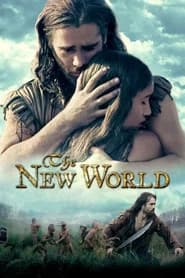
A drama about explorer John Smith and the clash between Native Americans and English settlers in the 17th century.
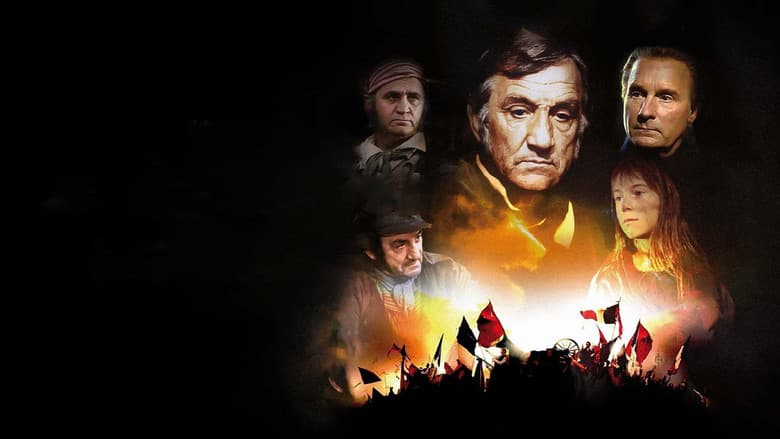
In 19th century France, Jean Valjean, a man imprisoned for stealing bread, must flee a relentless policeman named Javert. The pursuit consumes both men's lives, and soon Valjean finds himself in the midst of the student revolutions in France.
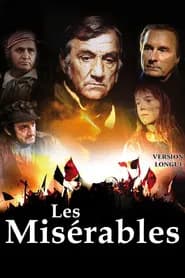
In 19th century France, Jean Valjean, a man imprisoned for stealing bread, must flee a relentless policeman named Javert. The pursuit consumes both men's lives, and soon Valjean finds himself in the midst of the student revolutions in France.
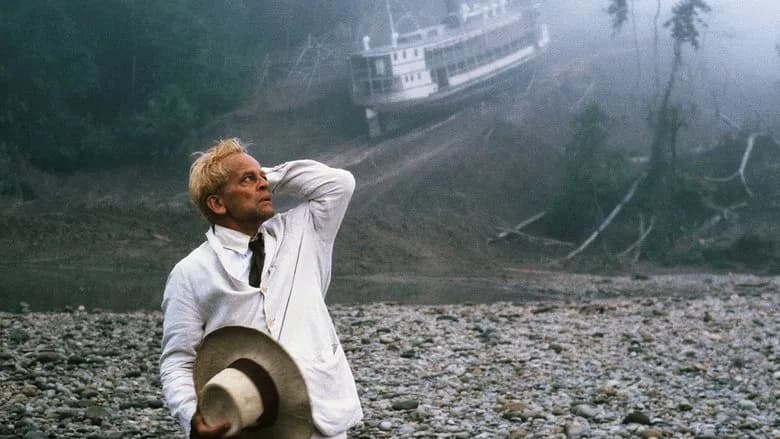
Fitzcarraldo is a dreamer who plans to build an opera house in Iquitos, in the Peruvian Amazon, so, in order to finance his project, he embarks on an epic adventure to collect rubber, a very profitable product, in a remote and unexplored region of the rainforest.
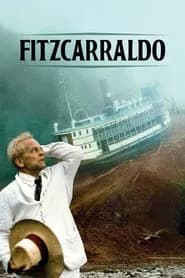
Fitzcarraldo is a dreamer who plans to build an opera house in Iquitos, in the Peruvian Amazon, so, in order to finance his project, he embarks on an epic adventure to collect rubber, a very profitable product, in a remote and unexplored region of the rainforest.
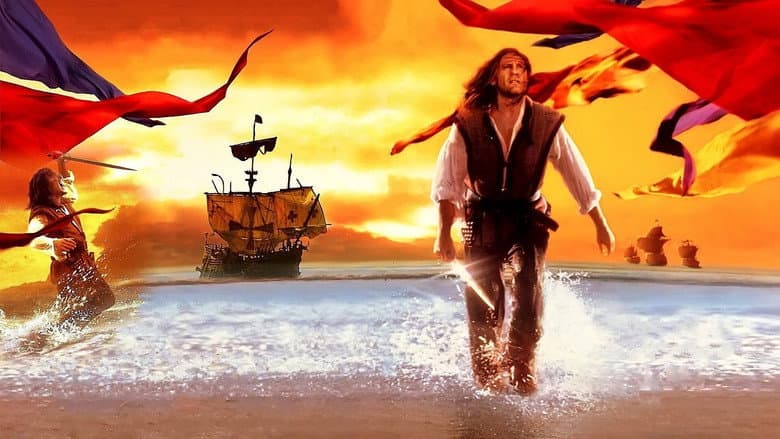
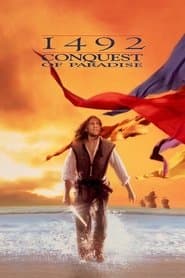
1492: Conquest of Paradise depicts Christopher Columbus’ discovery of The New World and his effect on the indigenous people.
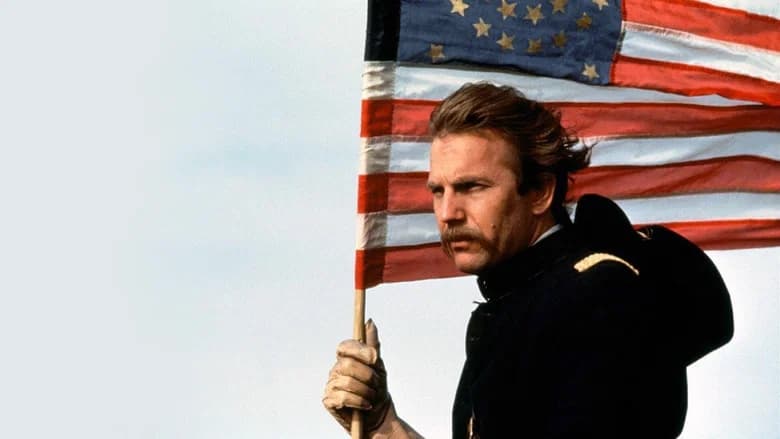
Wounded Civil War soldier John Dunbar tries to commit suicide—and becomes a hero instead. As a reward, he's assigned to his dream post, a remote junction on the Western frontier, and soon makes unlikely friends with the local Sioux tribe.
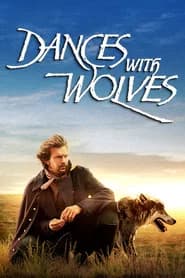
Wounded Civil War soldier John Dunbar tries to commit suicide—and becomes a hero instead. As a reward, he's assigned to his dream post, a remote junction on the Western frontier, and soon makes unlikely friends with the local Sioux tribe.
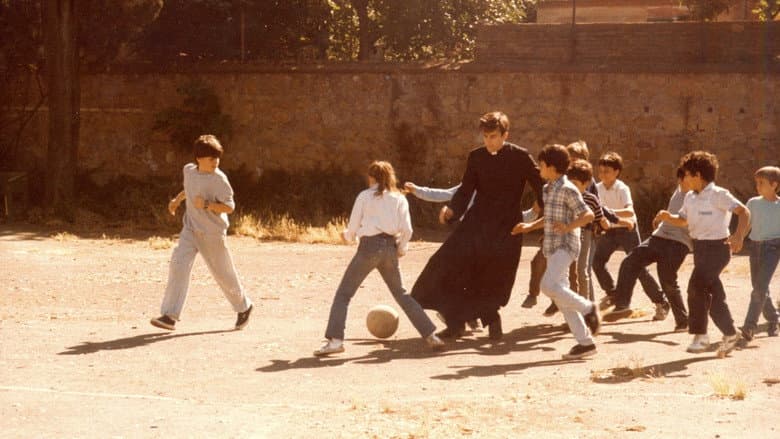
Young Father Giulio returns to Rome, where he was born and raised, to replace a priest who has left the clergy to start a family. He is delighted to reunite with his loved ones, especially his mother, sister, and old friends. Once radical leftists like Giulio himself, the latter are now each coping in their own way with the defeat of the revolution. Soon, however, Giulio realizes that despite his best efforts, he seems unable to solve the problems troubling those around him.
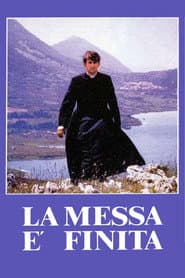
Young Father Giulio returns to Rome, where he was born and raised, to replace a priest who has left the clergy to start a family. He is delighted to reunite with his loved ones, especially his mother, sister, and old friends. Once radical leftists like Giulio himself, the latter are now each coping in their own way with the defeat of the revolution. Soon, however, Giulio realizes that despite his best efforts, he seems unable to solve the problems troubling those around him.
 JUST OUT
 JUST OUT
 JUST OUT
 FRESH
FRESH FRESH
FRESH FRESH
FRESH FRESH
FRESH FRESH
FRESH FRESH
FRESH FRESH
FRESH FRESH
FRESH