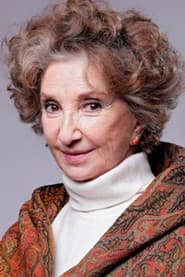
Norma Aleandro
Alicia Marnet
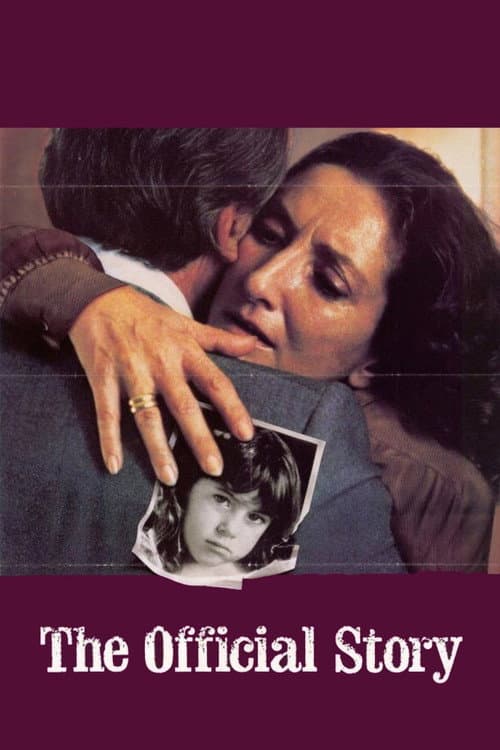
“The Official Story (1985) is an Argentine 1980s period drama that stages a history teacher's private doubts against the residue of a military dictatorship. It frames that inquiry through measured compositions and tight-framing that privilege small gestures and withheld information over overt melodrama. The film argues that domestic admission forces public ethical reckoning, making private memory the site of civic confrontation.”
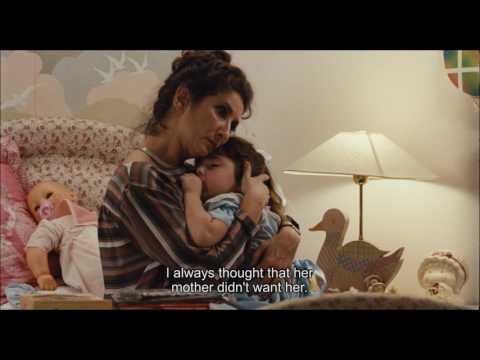
This film unfolds as a quiet exploration of domestic life caught between personal memory and public denial. Through understated performances and careful framing, it builds tension from small gestures, reflecting on the ongoing negotiation of responsibility within family dynamics. It invites viewers who appreciate nuanced storytelling and moral complexity.
Norma Aleandro
Alicia Marnet
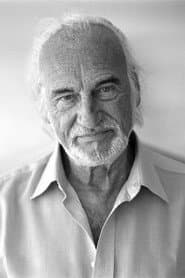
Héctor Alterio
Roberto Ibáñez
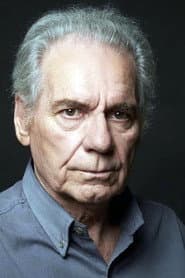
Hugo Arana
Enrique Ibáñez
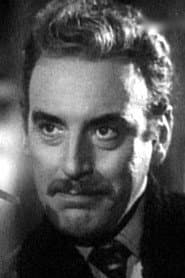
Guillermo Battaglia
José
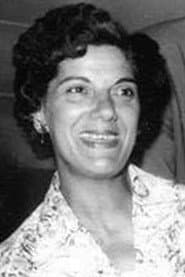
Chela Ruiz
Sara
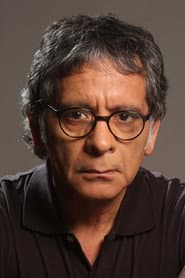
Patricio Contreras
Benítez
Aníbal Morixe
Miller
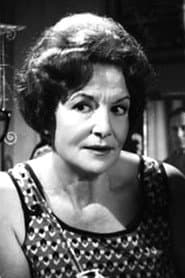
María Luisa Robledo
Ñata
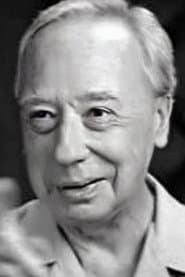
Jorge Petraglia
Macci
Analía Castro
Gaby
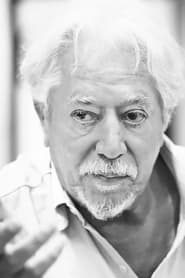
Luis Puenzo
Director
Patricia Oyuela
First Assistant Director
Rodrigo Espina
Second Assistant Director
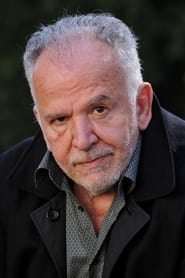
Marcelo Piñeyro
Production Director
Luis Puenzo
Screenplay
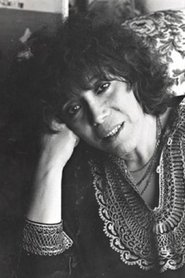
Aída Bortnik
Screenplay
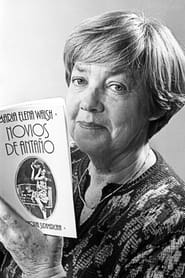
María Elena Walsh
Lyricist
Luis Puenzo
Producer
Nora Puenzo
Producer
Carlos Latreyte
Production Manager
Marcelo Piñeyro
Production Director
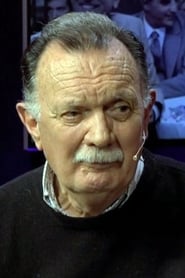
Félix "Chango" Monti
Director of Photography
Héctor Morini
Camera Operator
Willi Behnisch
First Assistant Camera
Wilson Rodriguez
Second Assistant Camera
Juan Carlos Macías
Editor
Hugo Primero
Assistant Editor
Alexandro Perez
Color Timer
Marta Selvi
Negative Cutter
Atilio Stampone
Original Music Composer
Abel Facello
Production Design
Oreste Sacchi
Property Master
Ticky García Estévez
Wardrobe Supervisor
Blanca Olavego
Makeup Designer
Ana Tasaki
Wardrobe Assistant
Abelardo Kuschnir
Sound Mixer
Omar Jadur
Sound Assistant
Alberto Casavecchia
Casting
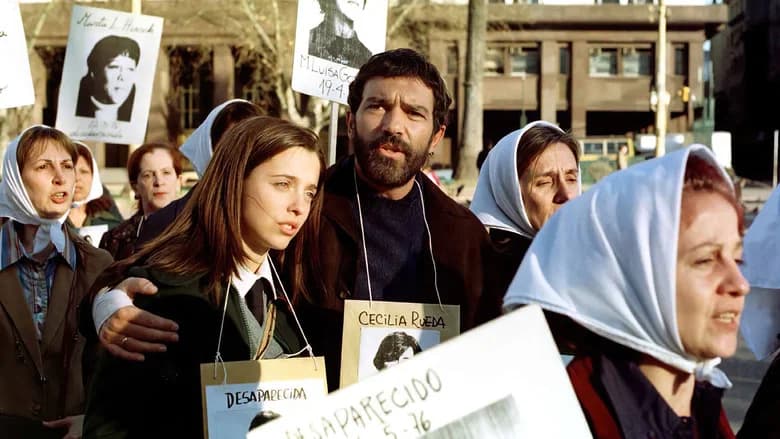
Set during the unsettling disappearances in Buenos Aires during the dictatorship of the 1970s, the film involves theater director Carlos Rueda and his wife Cecilia. Shortly after Cecilia writes an editorial commentary questioning the mysterious abductions, she is herself abducted and taken into police custody.

Set during the unsettling disappearances in Buenos Aires during the dictatorship of the 1970s, the film involves theater director Carlos Rueda and his wife Cecilia. Shortly after Cecilia writes an editorial commentary questioning the mysterious abductions, she is herself abducted and taken into police custody.
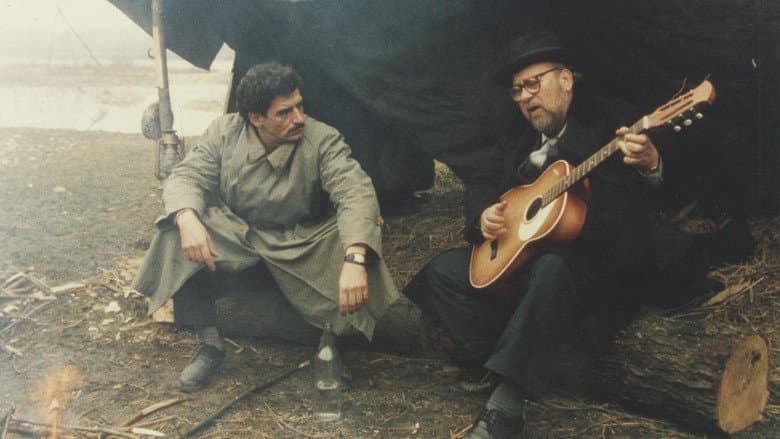
In a post-WWII Yugoslavia still under Stalinist rule in the 1950s, six-year-old Malik is oblivious as to why his father, Mehmed, has suddenly disappeared. In truth, Mehmed has been sent to a labor camp as punishment for acts of sexual indiscretion involving young girls. Malik's mother, Senija, however, has no answers, and the family must cope in the father's absence.
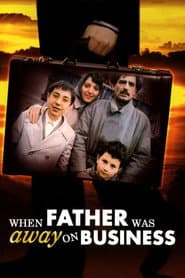
In a post-WWII Yugoslavia still under Stalinist rule in the 1950s, six-year-old Malik is oblivious as to why his father, Mehmed, has suddenly disappeared. In truth, Mehmed has been sent to a labor camp as punishment for acts of sexual indiscretion involving young girls. Malik's mother, Senija, however, has no answers, and the family must cope in the father's absence.
An adolescent girl, living with her mother and her grandmother, will have her first sexual experiences in a heavy and excessive way.

An adolescent girl, living with her mother and her grandmother, will have her first sexual experiences in a heavy and excessive way.
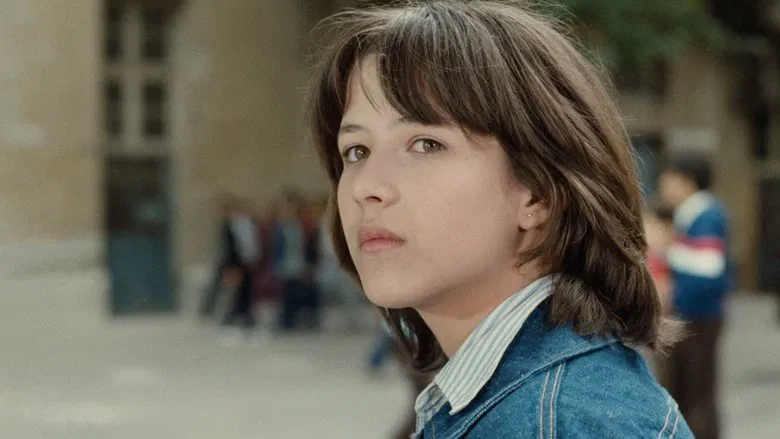
A thirteen-year-old French girl deals with moving to a new city and school in Paris, while at the same time her parents are getting a divorce.
Wang Tiemei, a single mother, loses her job and moves, befriending neighbor Xiaoye who appears cheerful but is depressed. Their bond grows as Tiemei navigates relationships with her ex-husband causing trouble.
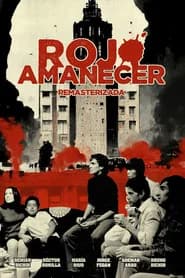
On October 2, 1968, a student uprising descends into violence after the Mexican government begins to use lethal force against the protesters.
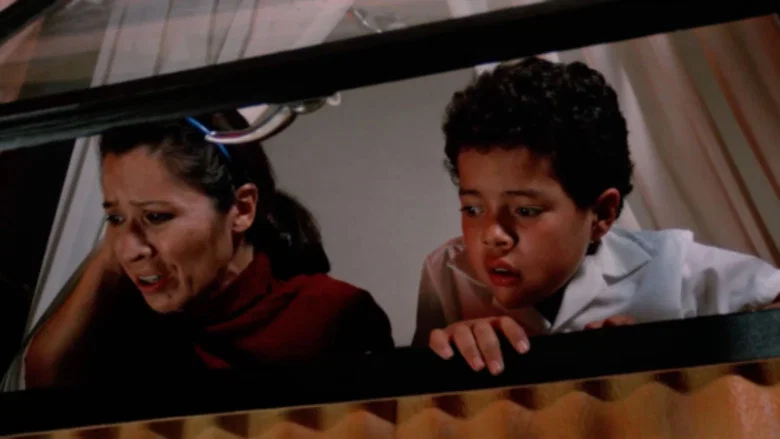
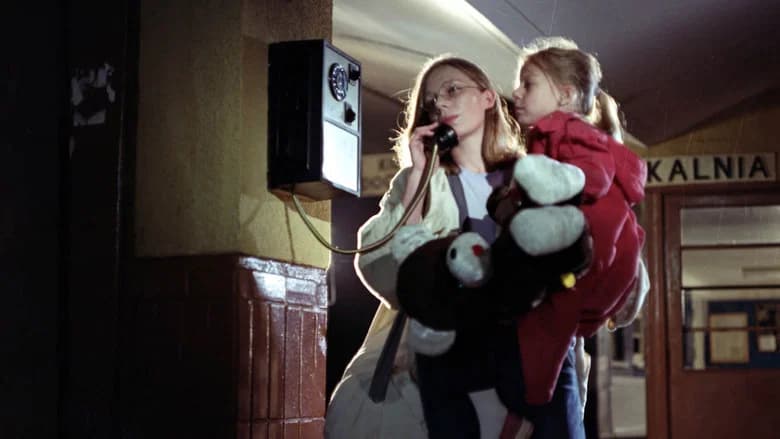
As a high school student, Majka bore a child, Ania, whom Majka’s mother, Ewa, has been raising as her own. Now that Majka is ready for motherhood, Ewa refuses to let go, leading Majka to kidnap her own daughter, with unexpected emotional consequences.

As a high school student, Majka bore a child, Ania, whom Majka’s mother, Ewa, has been raising as her own. Now that Majka is ready for motherhood, Ewa refuses to let go, leading Majka to kidnap her own daughter, with unexpected emotional consequences.
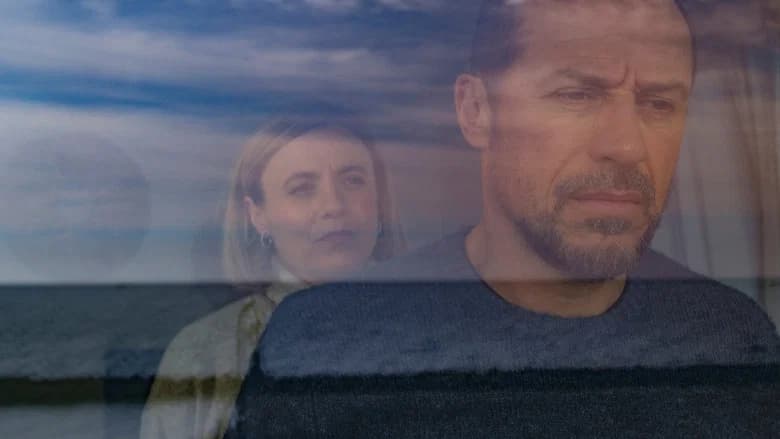
A middle-aged man, Pietro, becomes a widower and must take care of his daughter. He will never have the time to delve into his own pain, committing himself to raising his daughter with love and dedication, in an all-encompassing relationship in which one heals the other's wounds through his own. When, after a few years, he tries to start a new life with a new partner, not everything will go as hoped: his daughter's reaction will be exaggerated and Pietro will be put to the test. He will find himself struggling between anger and paternal instinct.
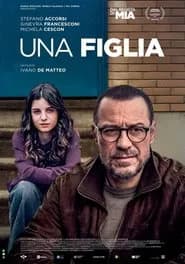
A middle-aged man, Pietro, becomes a widower and must take care of his daughter. He will never have the time to delve into his own pain, committing himself to raising his daughter with love and dedication, in an all-encompassing relationship in which one heals the other's wounds through his own. When, after a few years, he tries to start a new life with a new partner, not everything will go as hoped: his daughter's reaction will be exaggerated and Pietro will be put to the test. He will find himself struggling between anger and paternal instinct.
 JUST OUT
 JUST OUT
 JUST OUT
 JUST OUT
 FRESH
FRESH FRESH
FRESH FRESH
FRESH