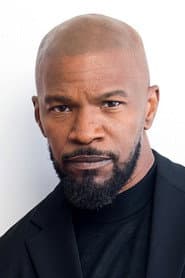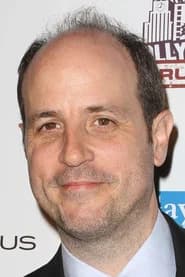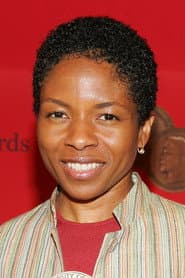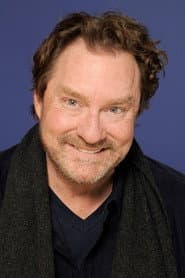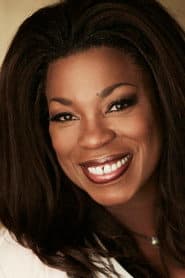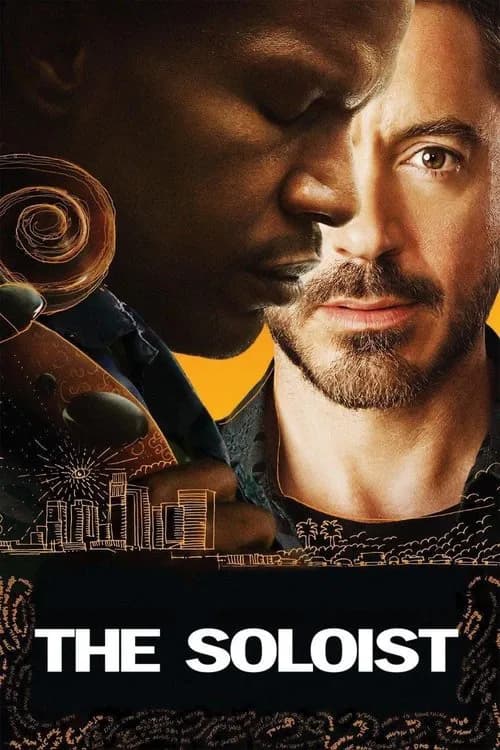

Robert Downey Jr.
Steve Lopez
“The Soloist (2009) is a 2000s drama that stages a dual-protagonist, cross-class encounter as its central engine. It pairs journalistic-inquiry with music-driven dramaturgy and favors observational intimacy, often realized through handheld immediacy and a measured tempo. The Soloist argues that cinematic attention can be a modest ethical practice: it asks the viewer to reckon with representation as responsibility.”
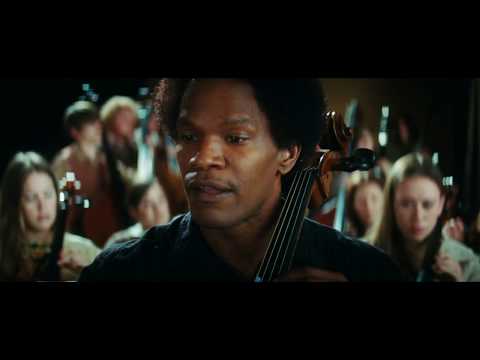
This character-driven drama examines the relationship between a homeless musician and a reporter, using music as a common bond. Its observational style captures the nuances of human interaction, avoiding simplistic resolutions in favor of deep ethical questions. Ideal for those who appreciate subtle storytelling and the complexities of compassion.
Joe Wright
Director

Chris Castaldi
Second Assistant Director
Kerry Lyn McKissick
Script Supervisor
Eric Heffron
Co-Producer

Susannah Grant
Screenplay
Steve Lopez
Author
Gary Foster
Producer
Russ Krasnoff
Producer
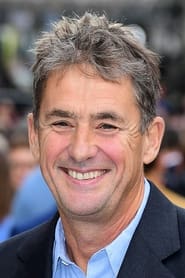
Tim Bevan
Executive Producer
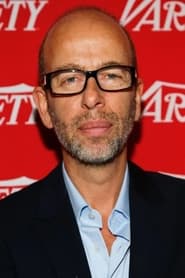
Eric Fellner
Executive Producer

Seamus McGarvey
Director of Photography

François Duhamel
Still Photographer
Paul Tothill
Editor

Dario Marianelli
Original Music Composer
Dominick Certo
Music Editor
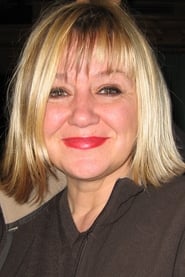
Sarah Greenwood
Production Design
Greg Berry
Art Direction
Julie Smith
Set Decoration

Jacqueline Durran
Costume Design
Lisa Marie Rosenberg
Hairstylist
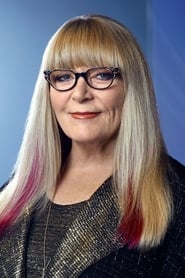
Ve Neill
Makeup Department Head
Gloria Pasqua Casny
Hair Department Head
Dominick Certo
Music Editor
Francine Maisler
Casting

Allan Graf
Stunts
Sean Graham
Stunts

Chad Randall
Stunts
Todd Schneider
Stunts
New York, early 1960s. Against the backdrop of a vibrant music scene and tumultuous cultural upheaval, an enigmatic 19-year-old from Minnesota arrives in the West Village with his guitar and revolutionary talent, destined to change the course of American music.
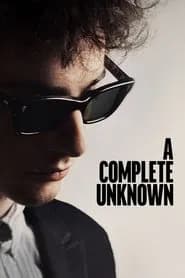
New York, early 1960s. Against the backdrop of a vibrant music scene and tumultuous cultural upheaval, an enigmatic 19-year-old from Minnesota arrives in the West Village with his guitar and revolutionary talent, destined to change the course of American music.
When reporter Jean Craddock interviews Bad Blake—an alcoholic, seen-better-days country music legend—they connect, and the hard-living crooner sees a possible saving grace in a life with Jean and her young son.
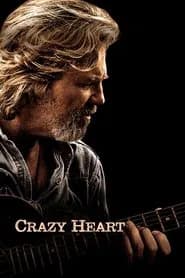
When reporter Jean Craddock interviews Bad Blake—an alcoholic, seen-better-days country music legend—they connect, and the hard-living crooner sees a possible saving grace in a life with Jean and her young son.
A woman in her sixties embarks on a journey through the western United States after losing everything in the Great Recession, living as a van-dwelling modern-day nomad.
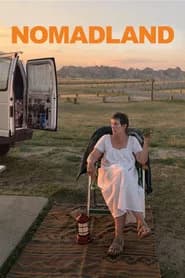
A woman in her sixties embarks on a journey through the western United States after losing everything in the Great Recession, living as a van-dwelling modern-day nomad.
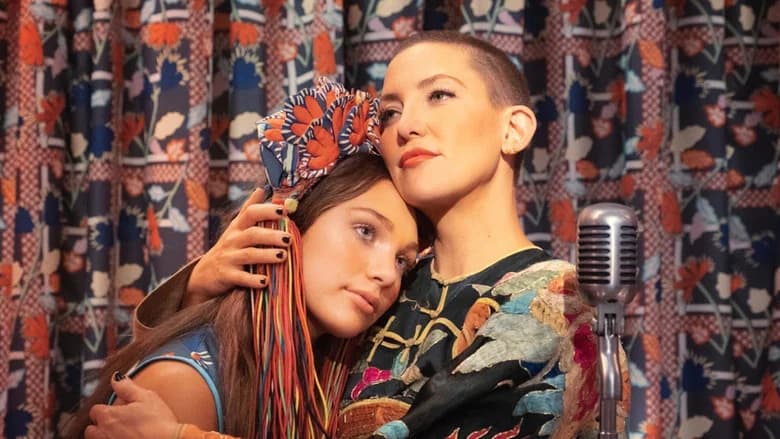
Zu, a free spirit estranged from her family, suddenly finds herself the sole guardian of her half-sister, Music, a teenager on the autism spectrum whose whole world order has been beautifully crafted by her late grandmother. The film soon challenges whether it is Zu or Music who has a better view of the world, and that love, trust, and being able to be there for each other is everything.
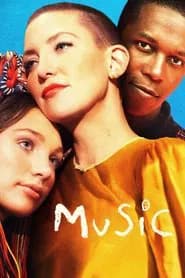
Zu, a free spirit estranged from her family, suddenly finds herself the sole guardian of her half-sister, Music, a teenager on the autism spectrum whose whole world order has been beautifully crafted by her late grandmother. The film soon challenges whether it is Zu or Music who has a better view of the world, and that love, trust, and being able to be there for each other is everything.
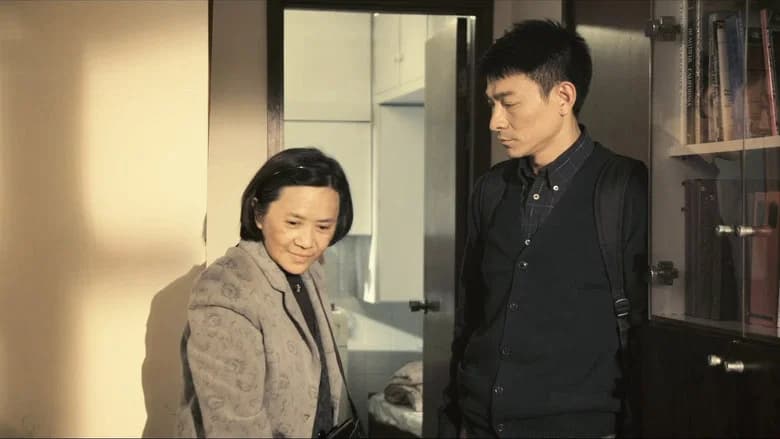
After suffering a stroke, an altruistic maid announces that she wants to quit her job and move into an old people's home.
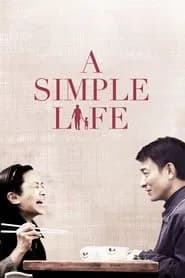
After suffering a stroke, an altruistic maid announces that she wants to quit her job and move into an old people's home.
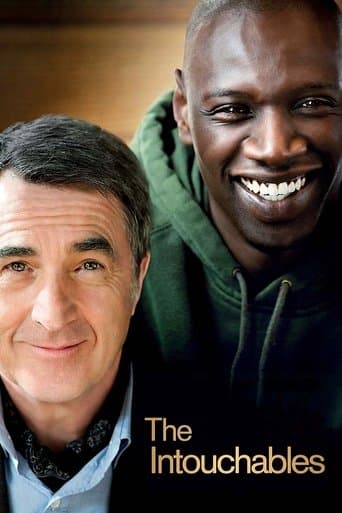
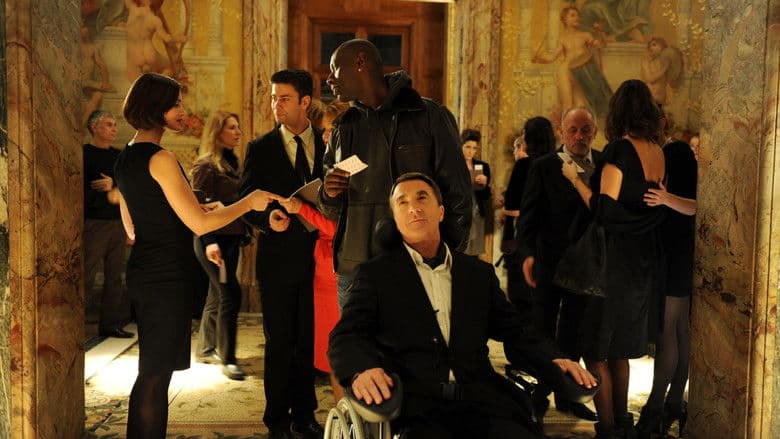
A true story of two men who should never have met – a quadriplegic aristocrat who was injured in a paragliding accident and a young man from the projects.
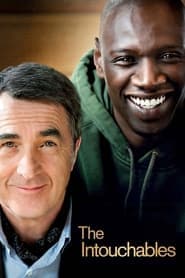
A true story of two men who should never have met – a quadriplegic aristocrat who was injured in a paragliding accident and a young man from the projects.
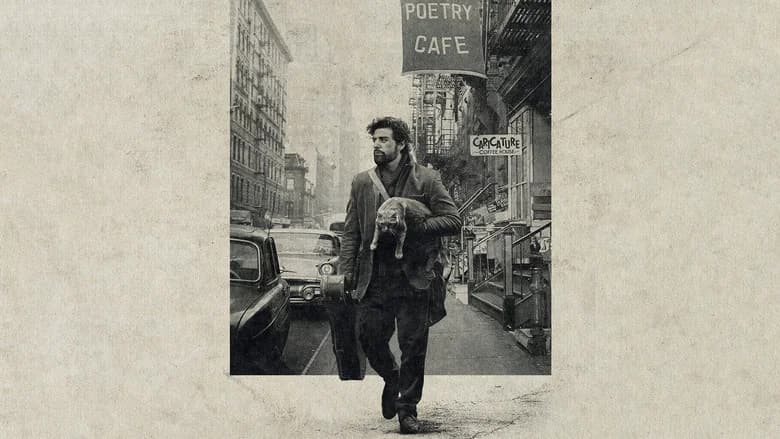
In Greenwich Village in the early 1960s, gifted but volatile folk musician Llewyn Davis struggles with money, relationships, and his uncertain future.
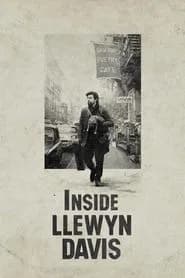
In Greenwich Village in the early 1960s, gifted but volatile folk musician Llewyn Davis struggles with money, relationships, and his uncertain future.
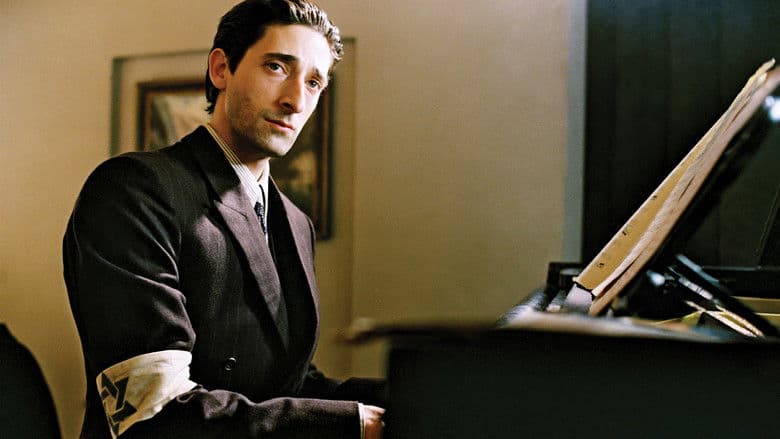
The true story of pianist Władysław Szpilman's experiences in Warsaw during the Nazi occupation. When the Jews of the city find themselves forced into a ghetto, Szpilman finds work playing in a café; and when his family is deported in 1942, he stays behind, works for a while as a laborer, and eventually goes into hiding in the ruins of the war-torn city.
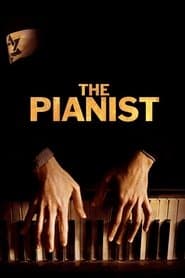
The true story of pianist Władysław Szpilman's experiences in Warsaw during the Nazi occupation. When the Jews of the city find themselves forced into a ghetto, Szpilman finds work playing in a café; and when his family is deported in 1942, he stays behind, works for a while as a laborer, and eventually goes into hiding in the ruins of the war-torn city.
 JUST OUT
 JUST OUT
 JUST OUT
 JUST OUT
 FRESH
FRESH FRESH
FRESH FRESH
FRESH