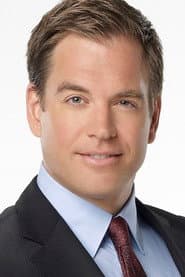
Michael Weatherly
Jason Bull
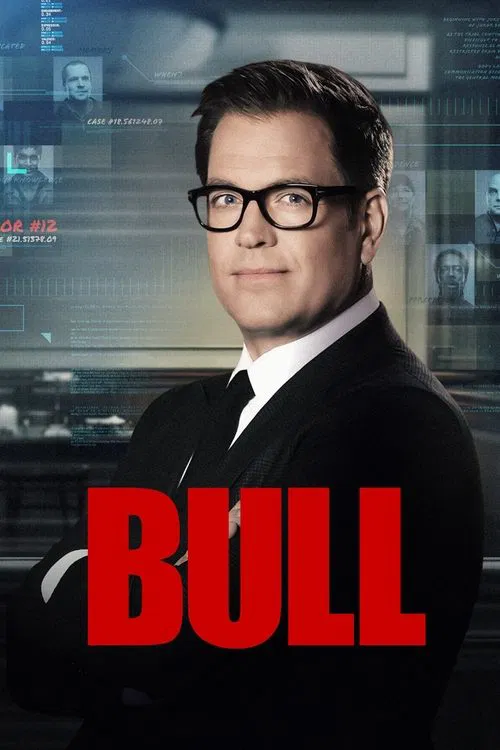
“Bull (2016) is a United States Network Era crime series that centers on a brash trial consultant running a high-powered jury consulting firm. It stages case-of-the-week conflicts driven by jury-psychology and trial-strategy, filmed with tight-framing and brisk pacing to prioritize tactical exchanges and team choreography. Bull clarifies network procedural mechanics into an accessible study of ethical tension inside legal advocacy.”
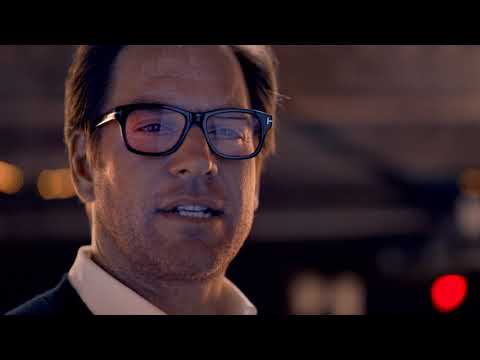
This series centers on a trial consultant who harnesses jury psychology to solve legal puzzles. Each episode focuses on a new case, balancing dramatic stakes with humor, and emphasizes the art of persuasion while showcasing a dynamic ensemble. Perfect for those who appreciate accessible legal drama without heavy moral quandaries.
Michael Weatherly
Jason Bull

Jaime Lee Kirchner
Danielle James

Mackenzie Meehan
Taylor Rentzel

Annabelle Attanasio
Cable McCrory

Yara Martinez
Isabella Colón
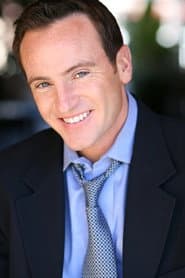
John Siciliano
Harrison
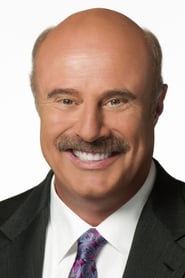
Phil McGraw
Creator

Paul Attanasio
Creator

Sasha Alexander
Director
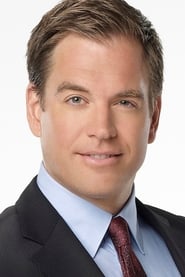
Michael Weatherly
Director
Paul Attanasio
Writer
Phil McGraw
Writer
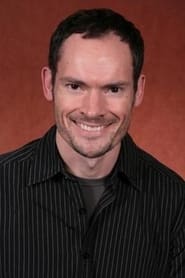
Dan Dietz
Writer
Bill Chais
Writer
Cara Hall
Associate Producer
John A. Norris
Teleplay
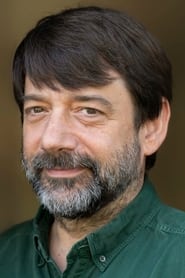
Tom Szentgyorgyi
Writer
John B. Aronson
Director of Photography
Derick V. Underschultz
Director of Photography
Barnaby Shapiro
Director of Photography

Igor Jadue-Lillo
Director of Photography
Sang Han
Editor
Hibah Schweitzer
Editor
Terry Kelley
Editor
Jake Cohen
Editor
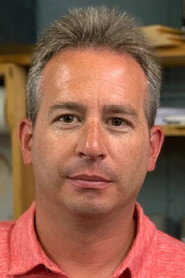
Ronnie Petagna
Construction Coordinator
Michael Zambrano
Hairstylist

Dennis Smith
Director
Kathleen Chopin
Casting
John Ort
Casting

Damali Ross
Stunt Double
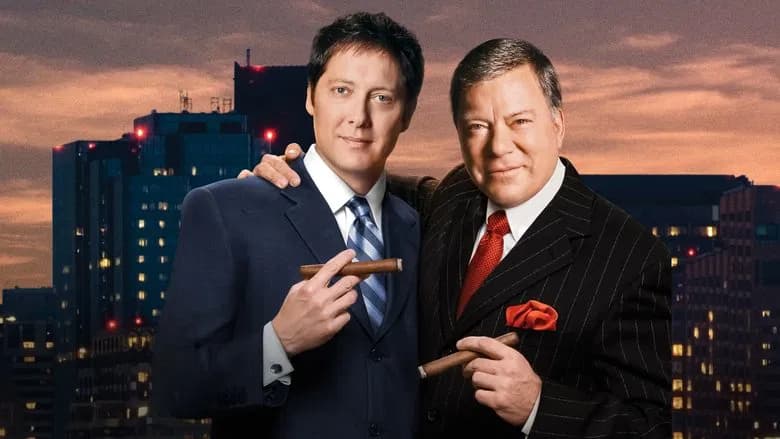
Alan Shore and Denny Crane lead a brigade of high-priced civil litigators in an upscale Boston law firm in a series focusing on the professional and personal lives of brilliant but often emotionally challenged attorneys. A spin-off of long-running series The Practice.
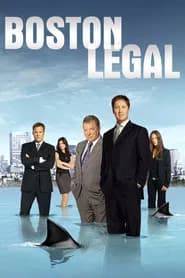
Alan Shore and Denny Crane lead a brigade of high-priced civil litigators in an upscale Boston law firm in a series focusing on the professional and personal lives of brilliant but often emotionally challenged attorneys. A spin-off of long-running series The Practice.
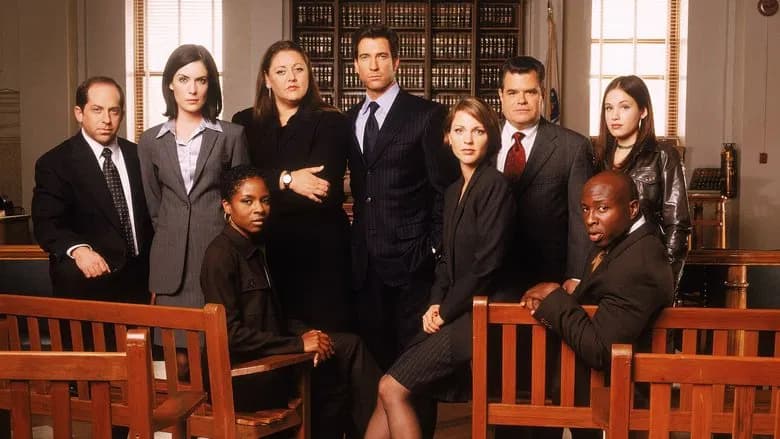
A provocative legal drama focused on young associates at a bare-bones Boston firm and their scrappy boss, Bobby Donnell. The show's forte is its storylines about “people who walk a moral tightrope.”
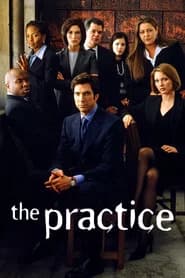
A provocative legal drama focused on young associates at a bare-bones Boston firm and their scrappy boss, Bobby Donnell. The show's forte is its storylines about “people who walk a moral tightrope.”
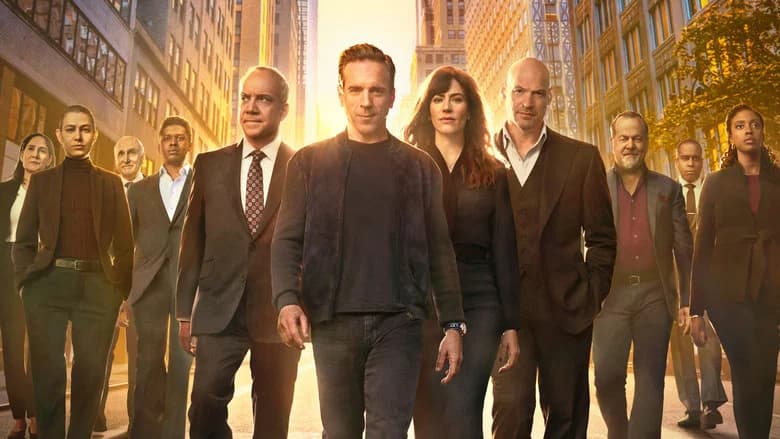
Shrewd, savvy U.S. Attorney Chuck Rhoades and the brilliant, ambitious hedge fund king Bobby "Axe" Axelrod are on an explosive collision course, with each using all of his considerable smarts, power and influence to outmaneuver the other. The stakes are in the billions in this timely, provocative series.
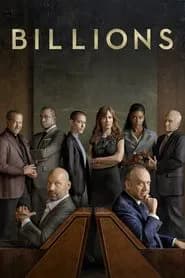
Shrewd, savvy U.S. Attorney Chuck Rhoades and the brilliant, ambitious hedge fund king Bobby "Axe" Axelrod are on an explosive collision course, with each using all of his considerable smarts, power and influence to outmaneuver the other. The stakes are in the billions in this timely, provocative series.
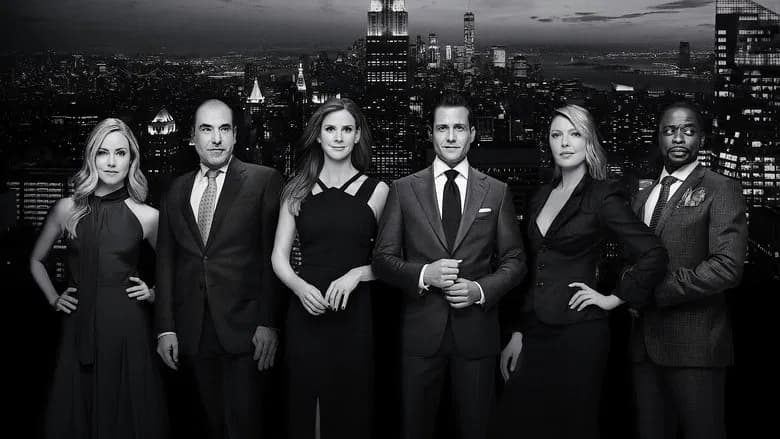
While running from a drug deal gone bad, Mike Ross, a brilliant young college-dropout, slips into a job interview with one of New York City's best legal closers, Harvey Specter. Tired of cookie-cutter law school grads, Harvey takes a gamble by hiring Mike on the spot after he recognizes his raw talent and photographic memory.
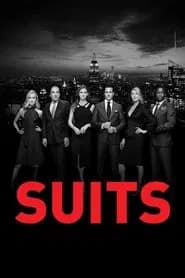
While running from a drug deal gone bad, Mike Ross, a brilliant young college-dropout, slips into a job interview with one of New York City's best legal closers, Harvey Specter. Tired of cookie-cutter law school grads, Harvey takes a gamble by hiring Mike on the spot after he recognizes his raw talent and photographic memory.
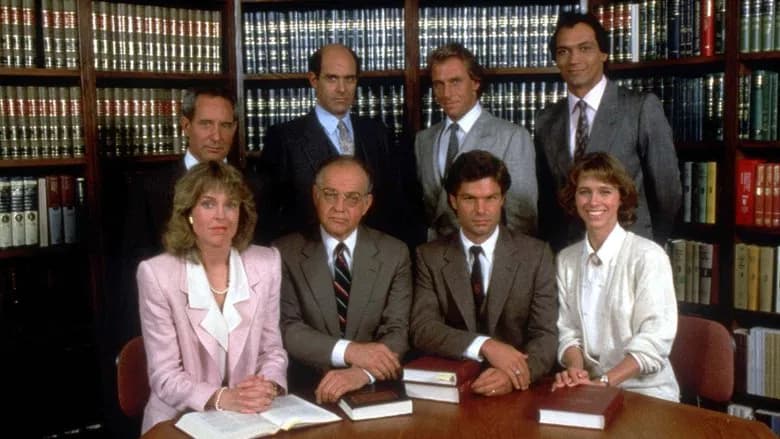
L.A. Law is an American television legal drama series that ran for eight seasons on NBC from September 15, 1986, to May 19, 1994. Created by Steven Bochco and Terry Louise Fisher, it contained many of Bochco's trademark features including a large number of parallel storylines, social drama and off-the-wall humor. It reflected the social and cultural ideologies of the 1980s and early 1990s, and many of the cases featured on the show dealt with hot-topic issues such as abortion, racism, gay rights, homophobia, sexual harassment, AIDS, and domestic violence. The series often also reflected social tensions between the wealthy senior lawyer protagonists and their less well-paid junior staff. The show was popular with audiences and critics, and won 15 Emmy Awards throughout its run, four of which were for Outstanding Drama Series.
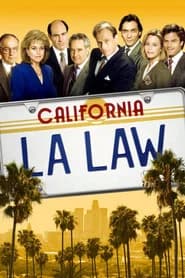
L.A. Law is an American television legal drama series that ran for eight seasons on NBC from September 15, 1986, to May 19, 1994. Created by Steven Bochco and Terry Louise Fisher, it contained many of Bochco's trademark features including a large number of parallel storylines, social drama and off-the-wall humor. It reflected the social and cultural ideologies of the 1980s and early 1990s, and many of the cases featured on the show dealt with hot-topic issues such as abortion, racism, gay rights, homophobia, sexual harassment, AIDS, and domestic violence. The series often also reflected social tensions between the wealthy senior lawyer protagonists and their less well-paid junior staff. The show was popular with audiences and critics, and won 15 Emmy Awards throughout its run, four of which were for Outstanding Drama Series.
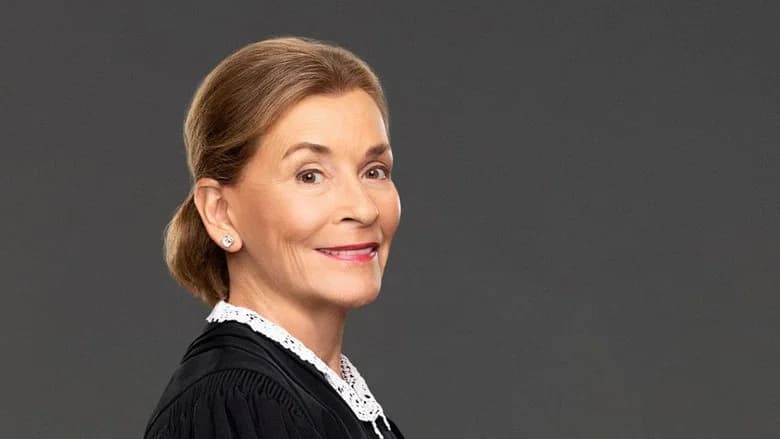
Judge Judy is an American arbitration-based reality court show presided over by retired Manhattan Family Court Judge Judith Sheindlin. The show features Sheindlin adjudicating real-life small claims disputes within a simulated courtroom set. All parties involved must sign contracts, agreeing to arbitration under Sheindlin. The series is in first-run syndication and distributed by CBS Television Distribution. Judge Judy, which premiered on September 16, 1996, reportedly revitalized the court show genre. Only two other arbitration-based reality court shows preceded it, The People's Court and Jones and Jury. Sheindlin has been credited with introducing the "tough" adjudicating approach into the judicial genre, which has led to several imitators. The two court shows that outnumber Judge Judy's seasons, The People's Court and Divorce Court, have both lasted via multiple lives of production and shifting arbiters, making Sheindlin's span as a television arbiter the longest.
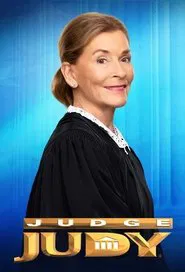
Judge Judy is an American arbitration-based reality court show presided over by retired Manhattan Family Court Judge Judith Sheindlin. The show features Sheindlin adjudicating real-life small claims disputes within a simulated courtroom set. All parties involved must sign contracts, agreeing to arbitration under Sheindlin. The series is in first-run syndication and distributed by CBS Television Distribution. Judge Judy, which premiered on September 16, 1996, reportedly revitalized the court show genre. Only two other arbitration-based reality court shows preceded it, The People's Court and Jones and Jury. Sheindlin has been credited with introducing the "tough" adjudicating approach into the judicial genre, which has led to several imitators. The two court shows that outnumber Judge Judy's seasons, The People's Court and Divorce Court, have both lasted via multiple lives of production and shifting arbiters, making Sheindlin's span as a television arbiter the longest.
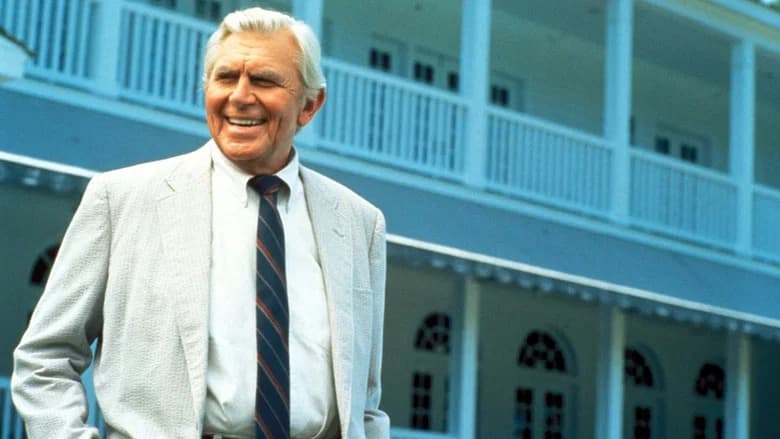
Thrifty, folksy and cantankerous, Matlock charges a premium for his services but is worth every penny: This renowned attorney, always clothed in his trademark light-gray suit and driving his signature Ford Crown Victoria, has an uncanny knack for finding overlooked clues and exposing murderers in dramatic courtroom scenes.
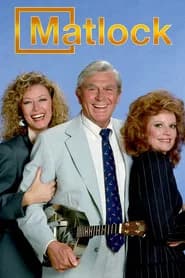
Thrifty, folksy and cantankerous, Matlock charges a premium for his services but is worth every penny: This renowned attorney, always clothed in his trademark light-gray suit and driving his signature Ford Crown Victoria, has an uncanny knack for finding overlooked clues and exposing murderers in dramatic courtroom scenes.
Once a powerful lawyer, Billy McBride is now burned out and washed up, spending more time in a bar than a courtroom. When he reluctantly agrees to pursue a wrongful death lawsuit against the biggest client of Cooperman & McBride, the massive law firm he helped create, Billy and his ragtag team uncover a vast and deadly conspiracy, pitting them all in a life or death trial against the ultimate Goliath.

Once a powerful lawyer, Billy McBride is now burned out and washed up, spending more time in a bar than a courtroom. When he reluctantly agrees to pursue a wrongful death lawsuit against the biggest client of Cooperman & McBride, the massive law firm he helped create, Billy and his ragtag team uncover a vast and deadly conspiracy, pitting them all in a life or death trial against the ultimate Goliath.
 JUST OUT
 JUST OUT
 JUST OUT
 JUST OUT
 FRESH
FRESH FRESH
FRESH FRESH
FRESH