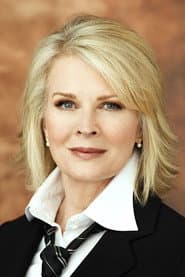
Candice Bergen
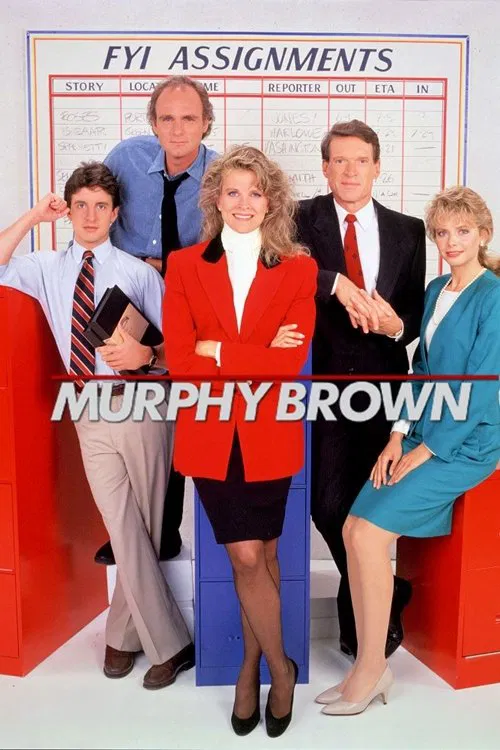
Murphy Brown
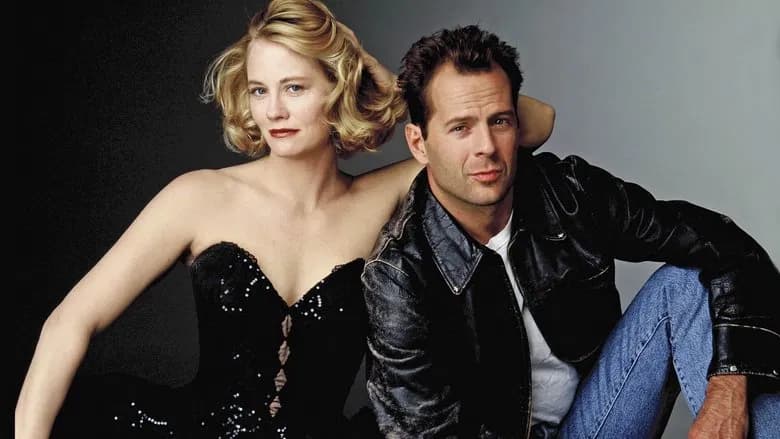
“Murphy Brown (1988) is a US Network Era comedy series that stages a newsroom return from rehab to probe authority and gendered labor. It frames the serialized conflict between professional authority and personal vulnerability through static-frame sitcom staging and brisk pacing. Murphy Brown demonstrates how broadcast comedy of the era negotiated a female anchor's public power and private fallibility.”
A series that blends humor with emotional depth, exploring professional dynamics in a newsroom setting. The interplay between Murphy and Corky reveals the complexities of competence and belonging, while secondary relationships offer further commentary on workplace equality. Ideal for those who appreciate character-driven narratives that tackle contemporary issues.

Faith Ford
Corky Sherwood
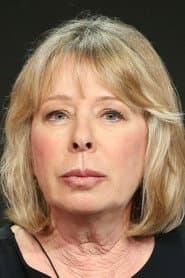
Diane English
Supporting Role
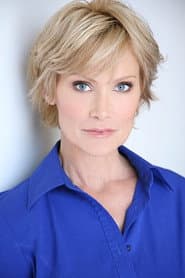
Delane Matthews
Erma Bentley
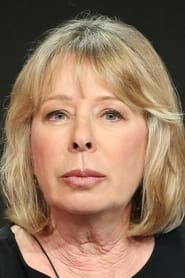
Diane English
Creator
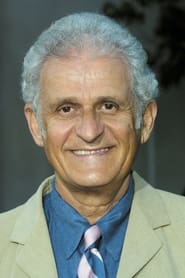
Peter Bonerz
Director
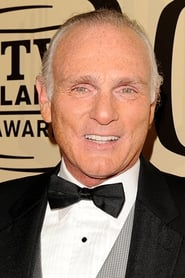
Joe Regalbuto
Director

Alan Rafkin
Director
Diane English
Writer
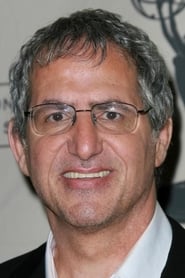
Lee Aronsohn
Writer

Peter Tolan
Writer
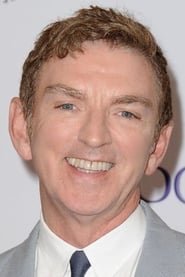
Michael Patrick King
Writer
Frank Pace
Producer
Russ Woody
Producer
Tom Seeley
Producer
Deborah Smith
Producer
Gil Hubbs
Cinematography
Jerry Davis
Editor
Tucker Wiard
Editor
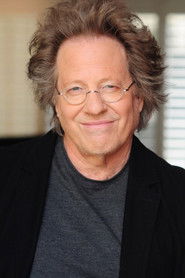
Steve Dorff
Music
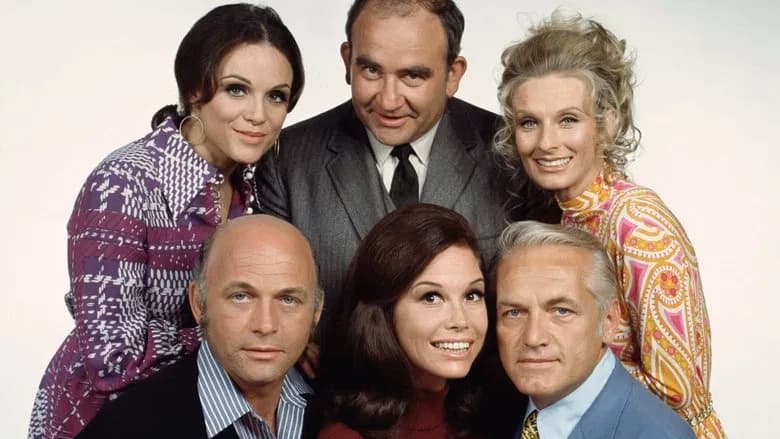
30-year-old single Mary Richards moves to Minneapolis to start a new life after a romantic break-up. There she reacquaints with Phyllis who rents her a room, and meets her upstairs neighbor and new best friend Rhoda. Mary unexpectedly lands a job as associate producer at the TV station WJM, where she works alongside her bristly boss, Lou; the comical newswriter, Murray; and the newscast's often-incompetent anchor, Ted.
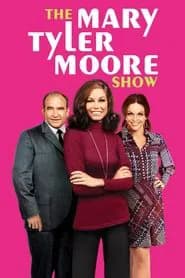
30-year-old single Mary Richards moves to Minneapolis to start a new life after a romantic break-up. There she reacquaints with Phyllis who rents her a room, and meets her upstairs neighbor and new best friend Rhoda. Mary unexpectedly lands a job as associate producer at the TV station WJM, where she works alongside her bristly boss, Lou; the comical newswriter, Murray; and the newscast's often-incompetent anchor, Ted.
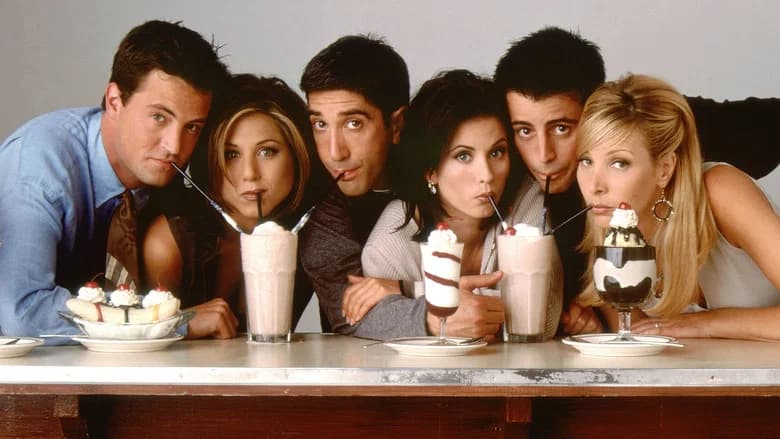
Six young people from New York City, on their own and struggling to survive in the real world, find the companionship, comfort and support they get from each other to be the perfect antidote to the pressures of life.
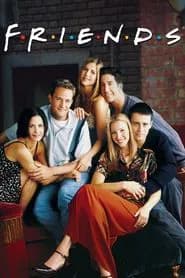
Six young people from New York City, on their own and struggling to survive in the real world, find the companionship, comfort and support they get from each other to be the perfect antidote to the pressures of life.
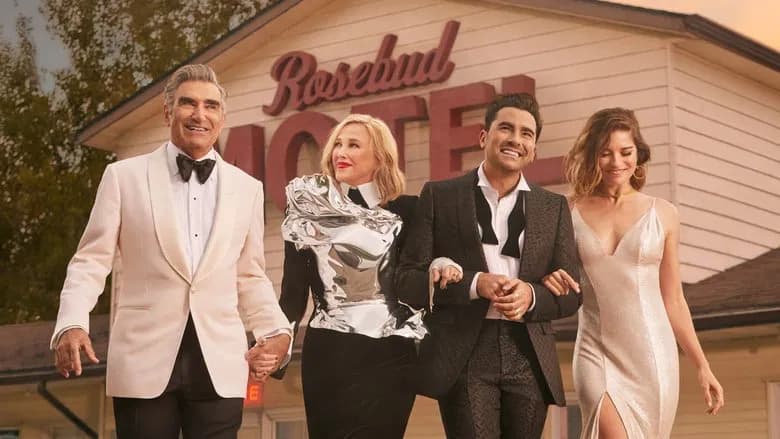
Formerly filthy rich video store magnate Johnny Rose, his soap star wife Moira, and their two kids, über-hipster son David and socialite daughter Alexis, suddenly find themselves broke and forced to live in Schitt's Creek, a small depressing town they once bought as a joke.
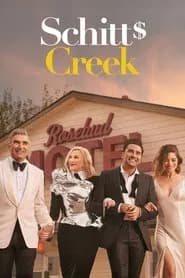
Formerly filthy rich video store magnate Johnny Rose, his soap star wife Moira, and their two kids, über-hipster son David and socialite daughter Alexis, suddenly find themselves broke and forced to live in Schitt's Creek, a small depressing town they once bought as a joke.
After being duped and going bankrupt, model Maddie is convinced by David to become a partner in a detective agency. Together they solve various cases, while getting comfortable with each other.
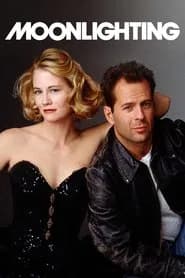
After being duped and going bankrupt, model Maddie is convinced by David to become a partner in a detective agency. Together they solve various cases, while getting comfortable with each other.
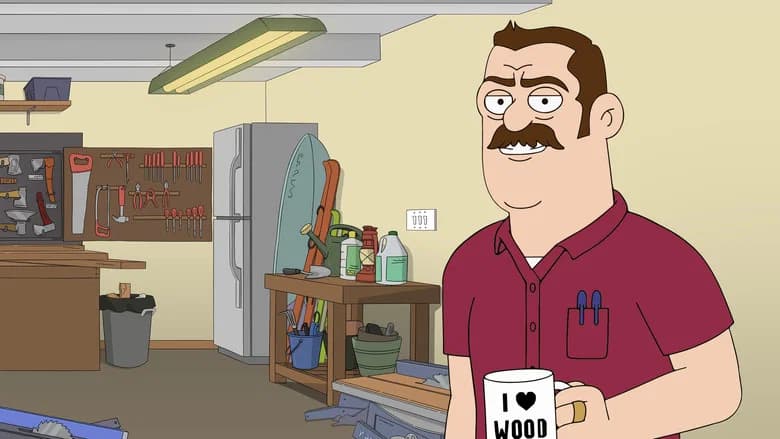
Mr. Birchum attempts to navigate a world he doesn't comprehend. He's confused by his gaming streamer son, Eddie, annoyed at his selfie-taking, students and is constantly at war with the school district's appointed "J.E.D.I." Mr. Karponzi.
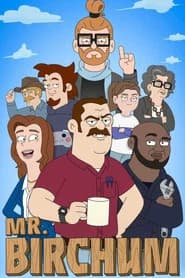
Mr. Birchum attempts to navigate a world he doesn't comprehend. He's confused by his gaming streamer son, Eddie, annoyed at his selfie-taking, students and is constantly at war with the school district's appointed "J.E.D.I." Mr. Karponzi.
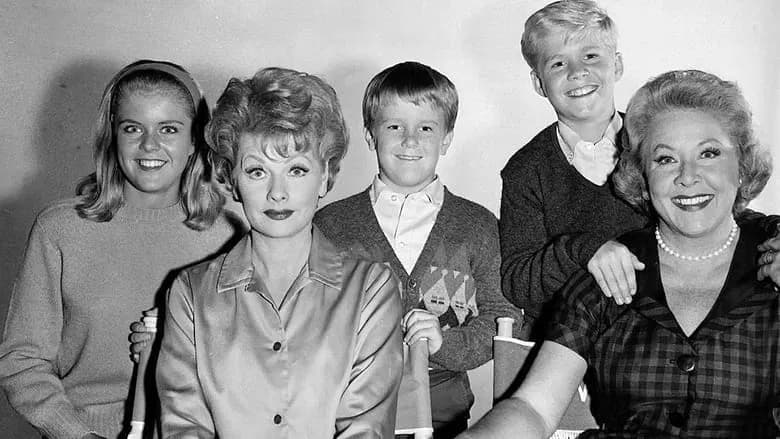
The Lucy Show is an American sitcom that aired on CBS from 1962–68. It was Lucille Ball's follow-up to I Love Lucy. A significant change in cast and premise for the 1965–66 season divides the program into two distinct eras; aside from Ball, only Gale Gordon, who joined the program for its second season, remained. For the first three seasons, Vivian Vance was the co-star. The earliest scripts were entitled The Lucille Ball Show, but when this title was declined, producers thought of calling the show This Is Lucy or The New Adventures of Lucy, before deciding on the title The Lucy Show. Ball won consecutive Emmy Awards as Outstanding Lead Actress in a Comedy Series for the series' final two seasons, 1966–67 and 1967–68.
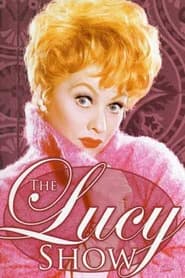
The Lucy Show is an American sitcom that aired on CBS from 1962–68. It was Lucille Ball's follow-up to I Love Lucy. A significant change in cast and premise for the 1965–66 season divides the program into two distinct eras; aside from Ball, only Gale Gordon, who joined the program for its second season, remained. For the first three seasons, Vivian Vance was the co-star. The earliest scripts were entitled The Lucille Ball Show, but when this title was declined, producers thought of calling the show This Is Lucy or The New Adventures of Lucy, before deciding on the title The Lucy Show. Ball won consecutive Emmy Awards as Outstanding Lead Actress in a Comedy Series for the series' final two seasons, 1966–67 and 1967–68.
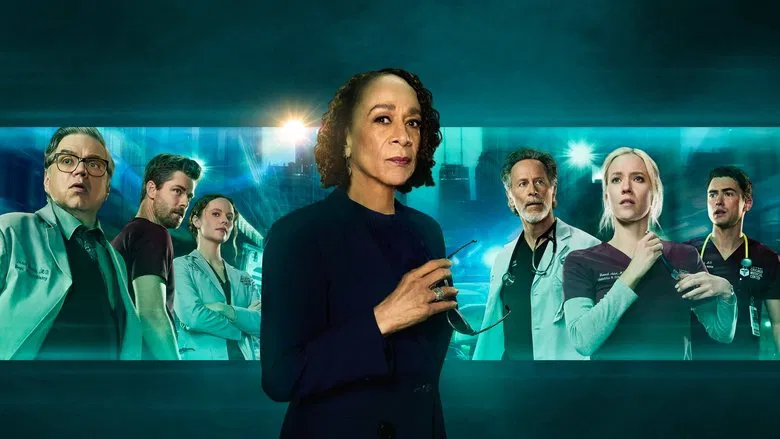
An emotional thrill ride through the day-to-day chaos of the city's most explosive hospital and the courageous team of doctors who hold it together. They will tackle unique new cases inspired by topical events, forging fiery relationships in the pulse-pounding pandemonium of the emergency room.
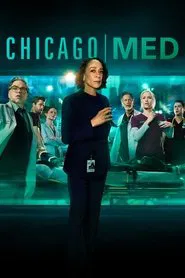
An emotional thrill ride through the day-to-day chaos of the city's most explosive hospital and the courageous team of doctors who hold it together. They will tackle unique new cases inspired by topical events, forging fiery relationships in the pulse-pounding pandemonium of the emergency room.
Three years after the zombie virus has gutted the country, a team of everyday heroes must transport the only known survivor of the plague from New York to California, where the last functioning viral lab waits for his blood.

Three years after the zombie virus has gutted the country, a team of everyday heroes must transport the only known survivor of the plague from New York to California, where the last functioning viral lab waits for his blood.
 JUST OUT
 JUST OUT
 JUST OUT
 FRESH
FRESH FRESH
FRESH FRESH
FRESH FRESH
FRESH FRESH
FRESH FRESH
FRESH FRESH
FRESH FRESH
FRESH