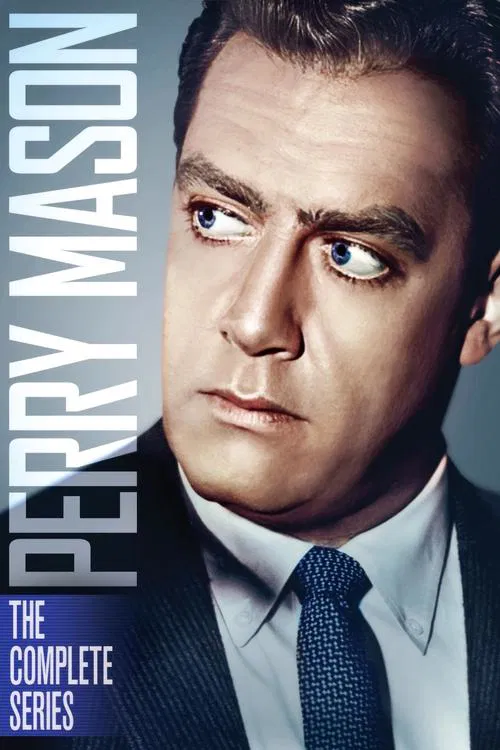
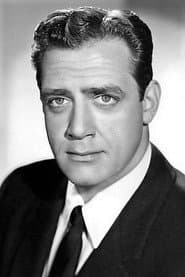
Raymond Burr
Perry Mason
“Perry Mason (1957) is a United States Network Era mystery-drama series that stages courtroom procedure as a moral predicament rather than mere problem‑solving. It frames recurring legal contests with static framing and measured pacing, using a case-driven episodic architecture to translate evidentiary argument into ethical negotiation. The series insists that procedural form functions as a social test, and it makes that insistence the cultural object of its authority.”

This series engages with the nuanced terrain of legal truths versus social perceptions, creating a space for moral contemplation. Episode by episode, it fosters a dialogue between courtroom procedure and ethical dilemmas, leaving viewers to ponder unresolved questions. Best for those interested in law's philosophical implications.
Raymond Burr
Perry Mason
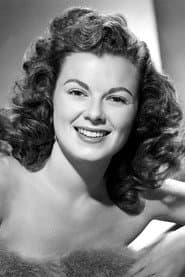
Barbara Hale
Della Street
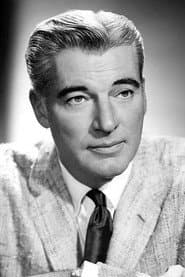
William Hopper
Paul Drake
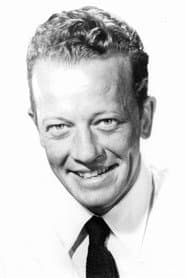
William Talman
Hamilton Burger
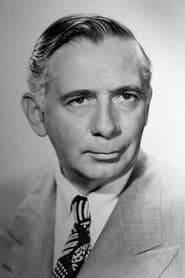
Ray Collins
Lieutenant Tragg
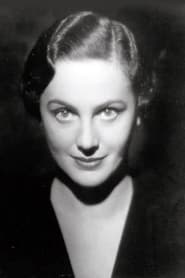
Frieda Inescort
Hope Quentin
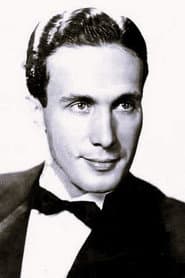
Carleton G. Young
David Reed
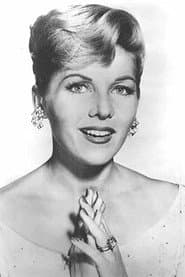
Whitney Blake
Diana Reynolds

Peggy Ann Garner
Letty Arthur
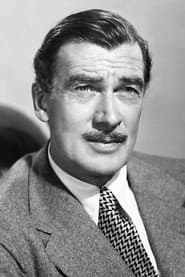
Walter Pidgeon
Sherman Hatfield
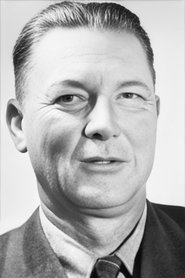
Erle Stanley Gardner
Creator
Allen H. Miner
Director
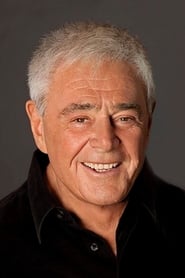
Richard Donner
Director
John English
Director
Robert E. Kent
Writer
Russell S. Hughes
Writer
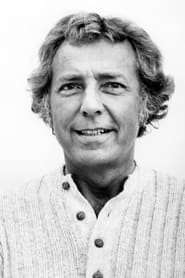
Stirling Silliphant
Writer
Donald S. Sanford
Writer

Bernard L. Kowalski
Producer
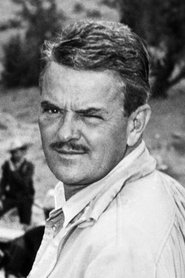
Jerry Hopper
Producer

László Benedek
Producer
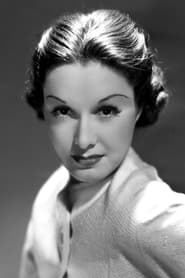
Gail Patrick
Producer
John M. Nickolaus Jr.
Director of Photography
Frank Redman
Director of Photography
Richard W. Farrell
Editor
Otto Meyer
Editor
Richard Cahoon
Editor
Art Seid
Supervising Editor
Richard Shores
Music
Lyle R. Wheeler
Art Direction
Lewis H. Creber
Art Direction
Walter M. Scott
Set Decoration
Carl Biddiscombe
Set Decoration
Irving Pringle
Makeup Artist
Dick James
Wardrobe Supervisor
Annabell
Hair Designer
Lewis Herman
Sound Mixer
Harry M. Leonard
Mix Technician
Alfred Bruzlin
Recording Supervision
Harvey Clermont
Casting
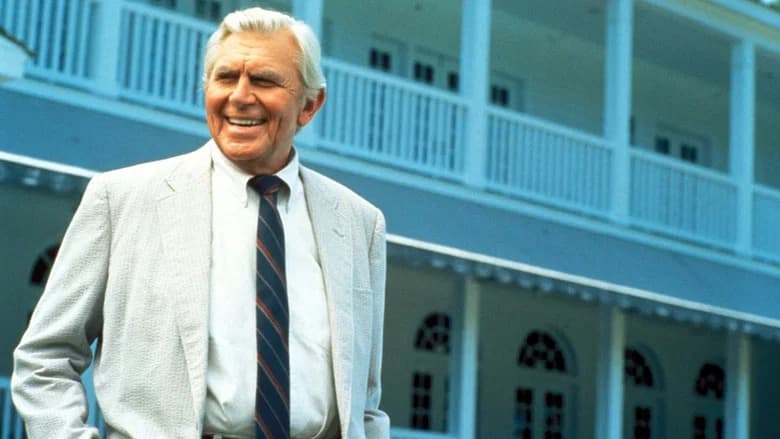
Thrifty, folksy and cantankerous, Matlock charges a premium for his services but is worth every penny: This renowned attorney, always clothed in his trademark light-gray suit and driving his signature Ford Crown Victoria, has an uncanny knack for finding overlooked clues and exposing murderers in dramatic courtroom scenes.
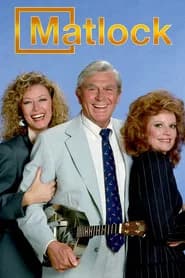
Thrifty, folksy and cantankerous, Matlock charges a premium for his services but is worth every penny: This renowned attorney, always clothed in his trademark light-gray suit and driving his signature Ford Crown Victoria, has an uncanny knack for finding overlooked clues and exposing murderers in dramatic courtroom scenes.
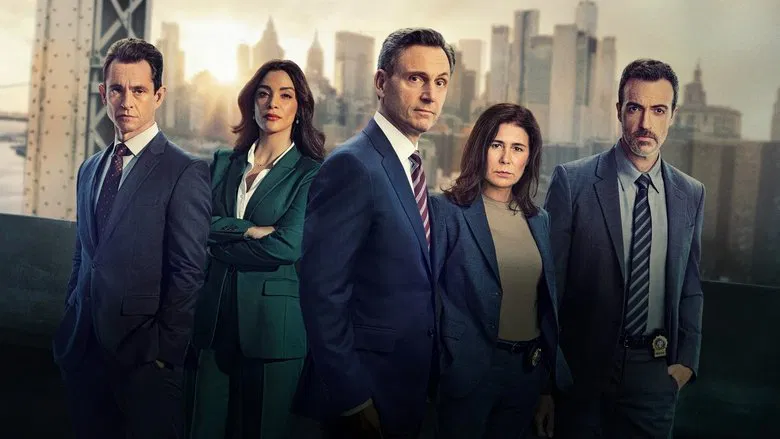
In cases ripped from the headlines, police investigate serious and often deadly crimes, weighing the evidence and questioning the suspects until someone is taken into custody. The district attorney's office then builds a case to convict the perpetrator by proving the person guilty beyond a reasonable doubt. Working together, these expert teams navigate all sides of the complex criminal justice system to make New York a safer place.
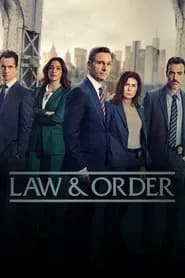
In cases ripped from the headlines, police investigate serious and often deadly crimes, weighing the evidence and questioning the suspects until someone is taken into custody. The district attorney's office then builds a case to convict the perpetrator by proving the person guilty beyond a reasonable doubt. Working together, these expert teams navigate all sides of the complex criminal justice system to make New York a safer place.
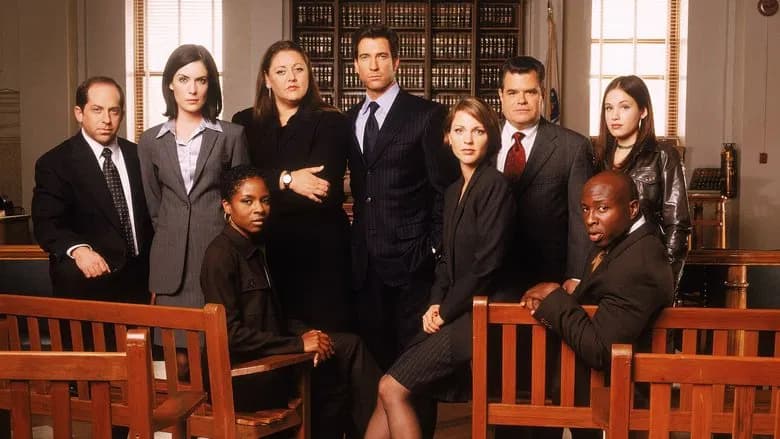
A provocative legal drama focused on young associates at a bare-bones Boston firm and their scrappy boss, Bobby Donnell. The show's forte is its storylines about “people who walk a moral tightrope.”
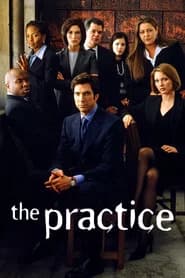
A provocative legal drama focused on young associates at a bare-bones Boston firm and their scrappy boss, Bobby Donnell. The show's forte is its storylines about “people who walk a moral tightrope.”
Sherlock Holmes uses his abilities to take on cases by private clients and those that the Scotland Yard are unable to solve, along with his friend Dr. Watson.
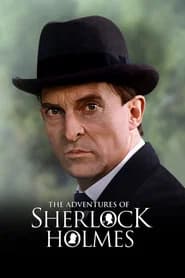
Sherlock Holmes uses his abilities to take on cases by private clients and those that the Scotland Yard are unable to solve, along with his friend Dr. Watson.
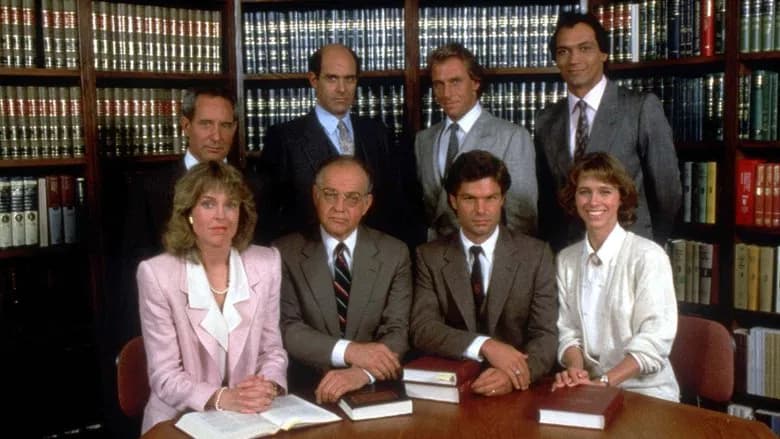
L.A. Law is an American television legal drama series that ran for eight seasons on NBC from September 15, 1986, to May 19, 1994. Created by Steven Bochco and Terry Louise Fisher, it contained many of Bochco's trademark features including a large number of parallel storylines, social drama and off-the-wall humor. It reflected the social and cultural ideologies of the 1980s and early 1990s, and many of the cases featured on the show dealt with hot-topic issues such as abortion, racism, gay rights, homophobia, sexual harassment, AIDS, and domestic violence. The series often also reflected social tensions between the wealthy senior lawyer protagonists and their less well-paid junior staff. The show was popular with audiences and critics, and won 15 Emmy Awards throughout its run, four of which were for Outstanding Drama Series.
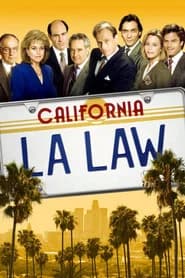
L.A. Law is an American television legal drama series that ran for eight seasons on NBC from September 15, 1986, to May 19, 1994. Created by Steven Bochco and Terry Louise Fisher, it contained many of Bochco's trademark features including a large number of parallel storylines, social drama and off-the-wall humor. It reflected the social and cultural ideologies of the 1980s and early 1990s, and many of the cases featured on the show dealt with hot-topic issues such as abortion, racism, gay rights, homophobia, sexual harassment, AIDS, and domestic violence. The series often also reflected social tensions between the wealthy senior lawyer protagonists and their less well-paid junior staff. The show was popular with audiences and critics, and won 15 Emmy Awards throughout its run, four of which were for Outstanding Drama Series.
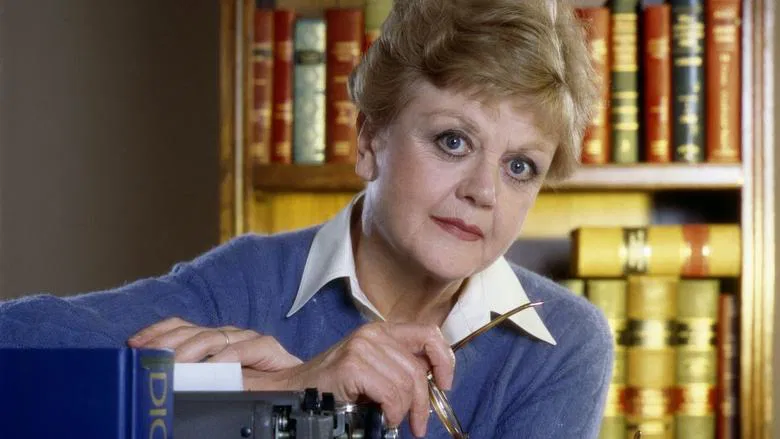
An unassuming mystery writer turned sleuth uses her professional insight to help solve real-life homicide cases.
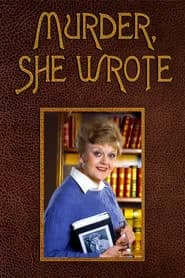
An unassuming mystery writer turned sleuth uses her professional insight to help solve real-life homicide cases.
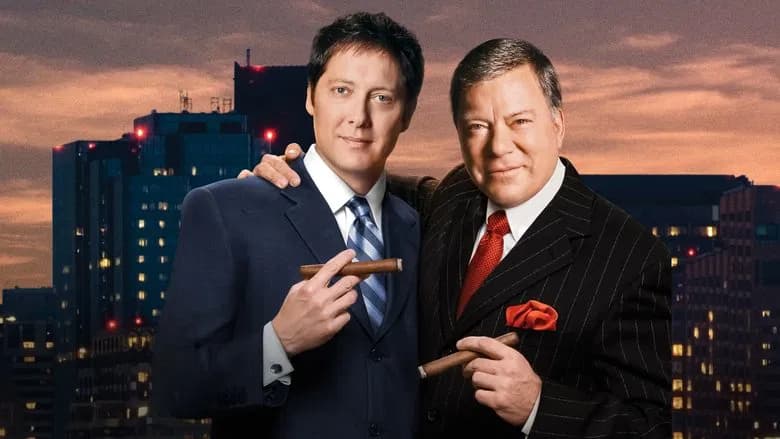
Alan Shore and Denny Crane lead a brigade of high-priced civil litigators in an upscale Boston law firm in a series focusing on the professional and personal lives of brilliant but often emotionally challenged attorneys. A spin-off of long-running series The Practice.
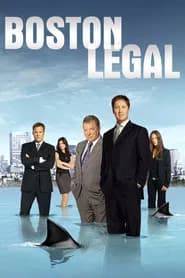
Alan Shore and Denny Crane lead a brigade of high-priced civil litigators in an upscale Boston law firm in a series focusing on the professional and personal lives of brilliant but often emotionally challenged attorneys. A spin-off of long-running series The Practice.
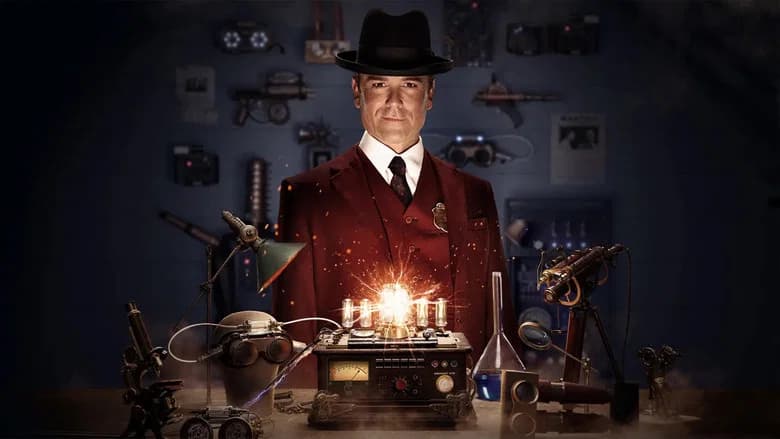
A Victorian-era Toronto detective uses then-cutting edge forensic techniques to solve crimes, with the assistance of a female coroner who is also struggling for recognition in the face of tradition, based on the books by Maureen Jennings.
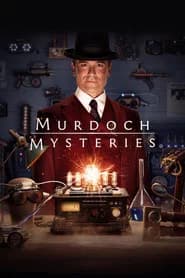
A Victorian-era Toronto detective uses then-cutting edge forensic techniques to solve crimes, with the assistance of a female coroner who is also struggling for recognition in the face of tradition, based on the books by Maureen Jennings.
 JUST OUT
 JUST OUT
 JUST OUT
 JUST OUT
 FRESH
FRESH FRESH
FRESH FRESH
FRESH