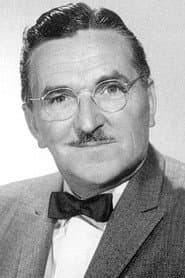
Howard McNear
Floyd Lawson
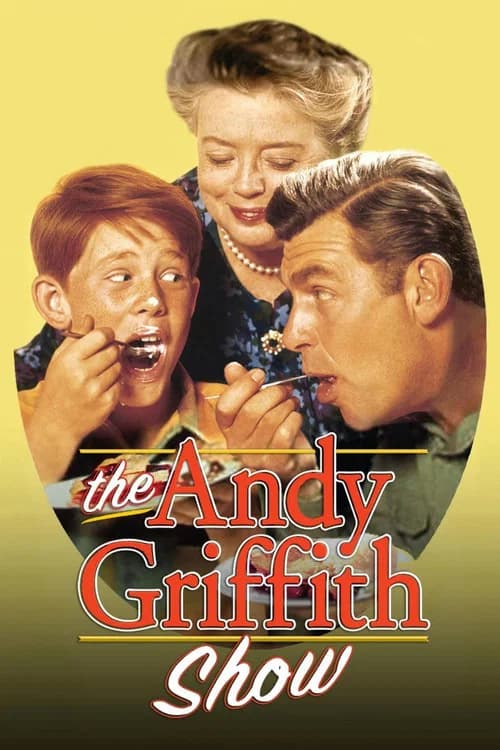
“The Andy Griffith Show (1960) is a United States Network Era family-comedy series that stages small-town civic routines as serialized moral negotiation. It foregrounds a sheriff-deputy dyad filmed in steady, static-frame compositions where episodic misunderstandings are resolved through repeated blocking and didactic adjudication. The show demonstrates how mid-century network sitcom grammar domesticated moral pedagogy into accessible comfort-watch storytelling.”
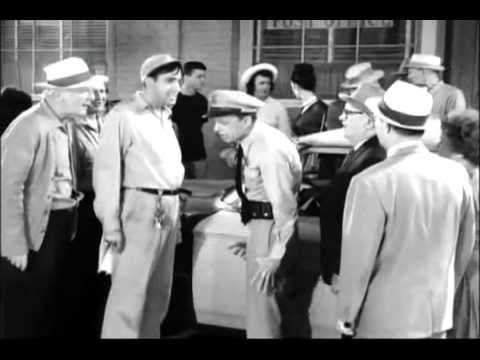
This series captures the lighthearted negotiations of morality and competence through its central pair, Andy and Barney. Each episode unfolds episodic misunderstandings that reinforce community bonds, creating a warm atmosphere. Ideal for those who appreciate character-driven narratives within a familial setting.
Howard McNear
Floyd Lawson
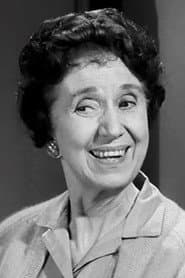
Hope Summers
Clara Edwards
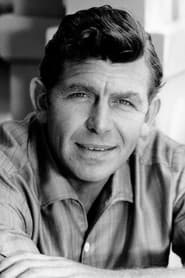
Andy Griffith
Andy Taylor
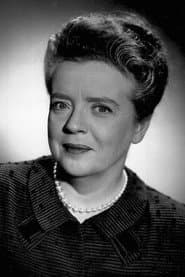
Frances Bavier
Aunt Bee Taylor
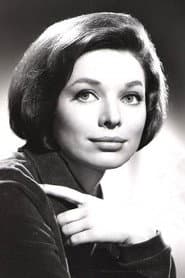
Aneta Corsaut
Helen Crump
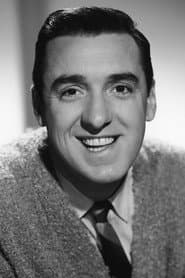
Jim Nabors
Gomer Pyle
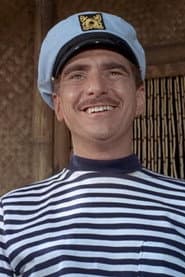
Jack Dodson
Howard Sprague / Ed Jenkins
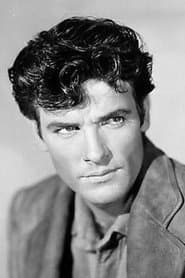
James Best
Jim Lindsey
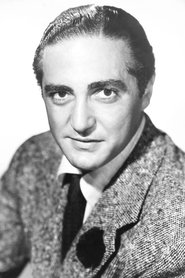
Sheldon Leonard
Creator
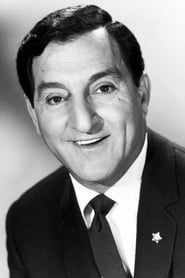
Danny Thomas
Creator
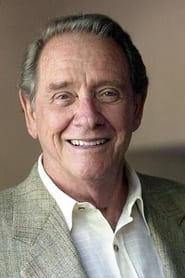
Richard Crenna
Director
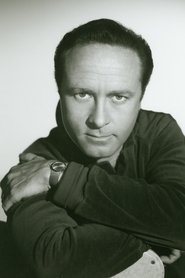
Howard Morris
Director
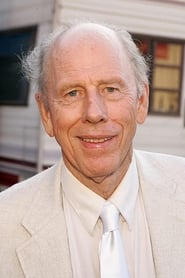
Rance Howard
Writer

James L. Brooks
Writer
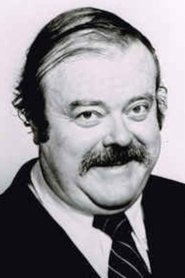
Pat McCormick
Writer
Ron Friedman
Writer
Danny Thomas
Producer
Jay Sandrich
Producer
Aaron Ruben
Producer
Bob Ross
Producer
Sidney Hickox
Director of Photography
Joseph Gluck
Supervising Editor
Earle Hagen
Music
Ralph Berger
Art Direction
Kenneth A. Reid
Art Direction
Robert Priestley
Set Decoration
Reggie Smith
Props
Lee Greenway
Makeup Artist
Ann Helfgott
Wardrobe Master
David Forrest
Sound Engineer
Ruth Burch
Casting
Fred Roos
Casting Director
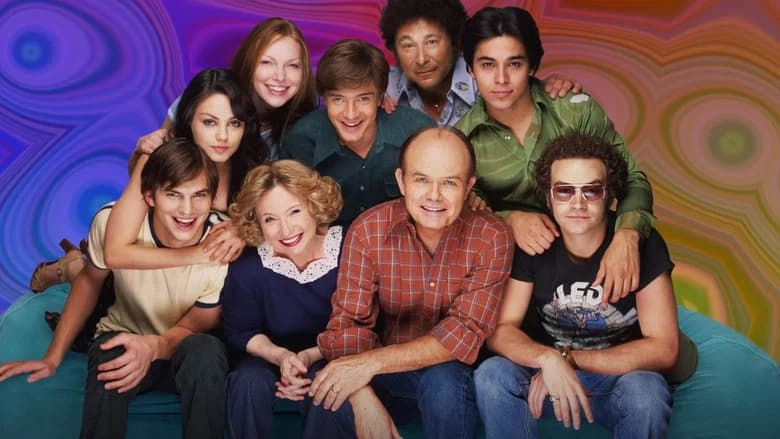
Crank up the 8-track and flash back to a time when platform shoes and puka shells were all the rage in this hilarious retro-sitcom. For Eric, Kelso, Jackie, Hyde, Donna and Fez, a group of high school teens who spend most of their time hanging out in Eric’s basement, life in the ‘70s isn’t always so groovy. But between trying to figure out the meaning of life, avoiding their parents, and dealing with out-of-control hormones, they’ve learned one thing for sure: they’ll always get by with a little help from their friends.
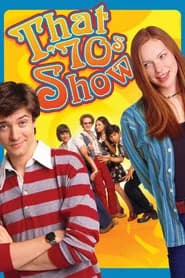
Crank up the 8-track and flash back to a time when platform shoes and puka shells were all the rage in this hilarious retro-sitcom. For Eric, Kelso, Jackie, Hyde, Donna and Fez, a group of high school teens who spend most of their time hanging out in Eric’s basement, life in the ‘70s isn’t always so groovy. But between trying to figure out the meaning of life, avoiding their parents, and dealing with out-of-control hormones, they’ve learned one thing for sure: they’ll always get by with a little help from their friends.
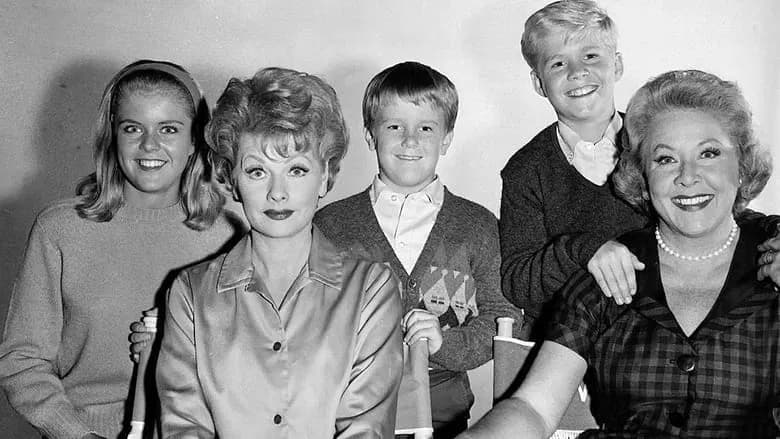
The Lucy Show is an American sitcom that aired on CBS from 1962–68. It was Lucille Ball's follow-up to I Love Lucy. A significant change in cast and premise for the 1965–66 season divides the program into two distinct eras; aside from Ball, only Gale Gordon, who joined the program for its second season, remained. For the first three seasons, Vivian Vance was the co-star. The earliest scripts were entitled The Lucille Ball Show, but when this title was declined, producers thought of calling the show This Is Lucy or The New Adventures of Lucy, before deciding on the title The Lucy Show. Ball won consecutive Emmy Awards as Outstanding Lead Actress in a Comedy Series for the series' final two seasons, 1966–67 and 1967–68.
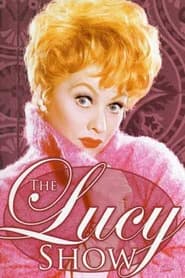
The Lucy Show is an American sitcom that aired on CBS from 1962–68. It was Lucille Ball's follow-up to I Love Lucy. A significant change in cast and premise for the 1965–66 season divides the program into two distinct eras; aside from Ball, only Gale Gordon, who joined the program for its second season, remained. For the first three seasons, Vivian Vance was the co-star. The earliest scripts were entitled The Lucille Ball Show, but when this title was declined, producers thought of calling the show This Is Lucy or The New Adventures of Lucy, before deciding on the title The Lucy Show. Ball won consecutive Emmy Awards as Outstanding Lead Actress in a Comedy Series for the series' final two seasons, 1966–67 and 1967–68.
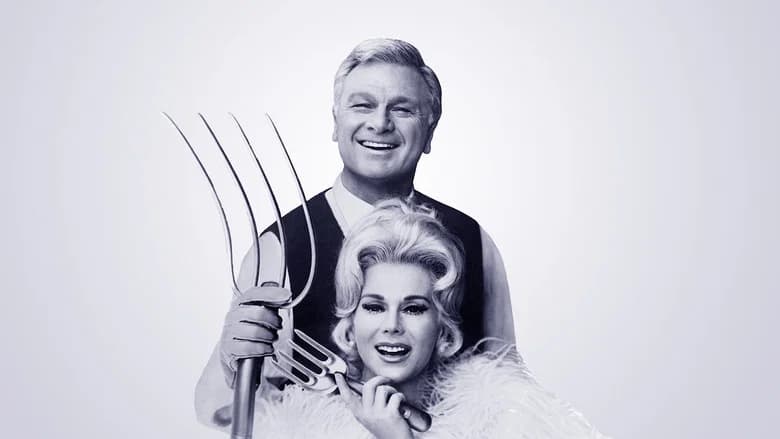
Green Acres is an American sitcom starring Eddie Albert and Eva Gabor as a couple who move from New York City to a rural country farm. Produced by Filmways as a sister show to Petticoat Junction, the series was first broadcast on CBS, from September 15, 1965 to April 27, 1971. Receiving solid ratings during its six-year run, Green Acres was cancelled in 1971 as part of the "rural purge" by CBS. The sitcom has been in syndication and is available in DVD and VHS releases. In 1997, the two-part episode "A Star Named Arnold is Born" was ranked #59 on TV Guide's 100 Greatest Episodes of All Time.
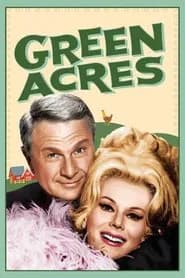
Green Acres is an American sitcom starring Eddie Albert and Eva Gabor as a couple who move from New York City to a rural country farm. Produced by Filmways as a sister show to Petticoat Junction, the series was first broadcast on CBS, from September 15, 1965 to April 27, 1971. Receiving solid ratings during its six-year run, Green Acres was cancelled in 1971 as part of the "rural purge" by CBS. The sitcom has been in syndication and is available in DVD and VHS releases. In 1997, the two-part episode "A Star Named Arnold is Born" was ranked #59 on TV Guide's 100 Greatest Episodes of All Time.
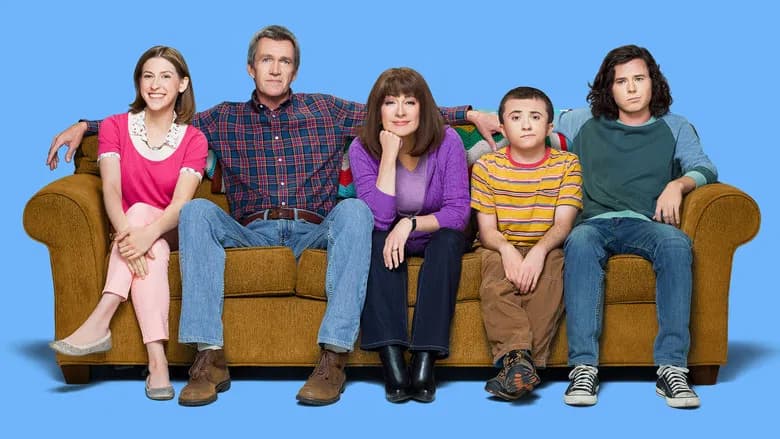
The daily mishaps of a married woman and her semi-dysfunctional family and their attempts to survive life in general in the city of Orson, Indiana.
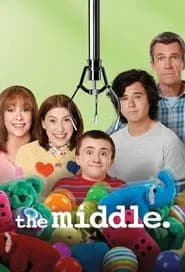
The daily mishaps of a married woman and her semi-dysfunctional family and their attempts to survive life in general in the city of Orson, Indiana.
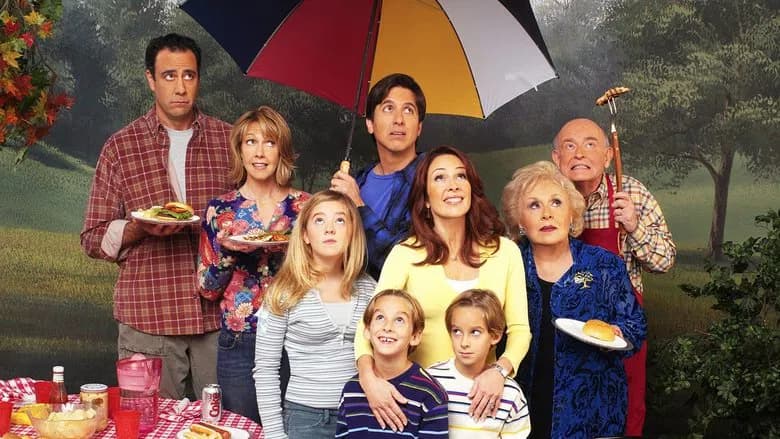
Ray Barone is a successful sportswriter living on Long Island with his wife Debra, daughter Ally, and twin sons, Geoffrey and Michael. Ray's meddling parents, Frank and Marie, and brother, Robert, live directly across the street.
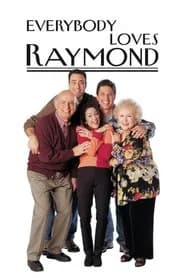
Ray Barone is a successful sportswriter living on Long Island with his wife Debra, daughter Ally, and twin sons, Geoffrey and Michael. Ray's meddling parents, Frank and Marie, and brother, Robert, live directly across the street.
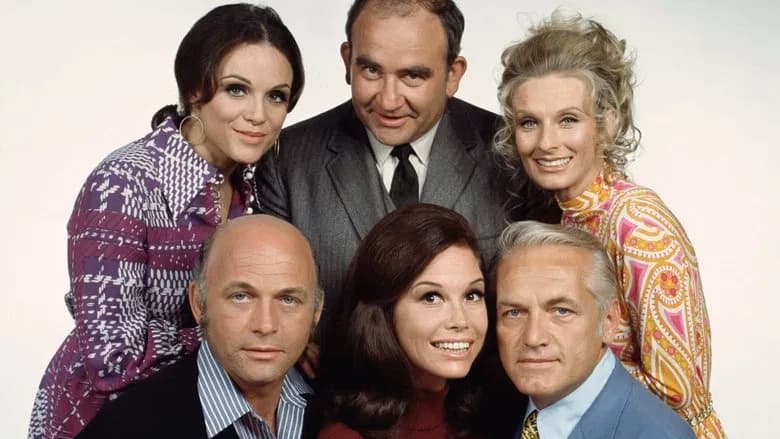
30-year-old single Mary Richards moves to Minneapolis to start a new life after a romantic break-up. There she reacquaints with Phyllis who rents her a room, and meets her upstairs neighbor and new best friend Rhoda. Mary unexpectedly lands a job as associate producer at the TV station WJM, where she works alongside her bristly boss, Lou; the comical newswriter, Murray; and the newscast's often-incompetent anchor, Ted.
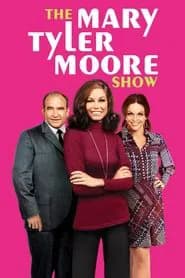
30-year-old single Mary Richards moves to Minneapolis to start a new life after a romantic break-up. There she reacquaints with Phyllis who rents her a room, and meets her upstairs neighbor and new best friend Rhoda. Mary unexpectedly lands a job as associate producer at the TV station WJM, where she works alongside her bristly boss, Lou; the comical newswriter, Murray; and the newscast's often-incompetent anchor, Ted.
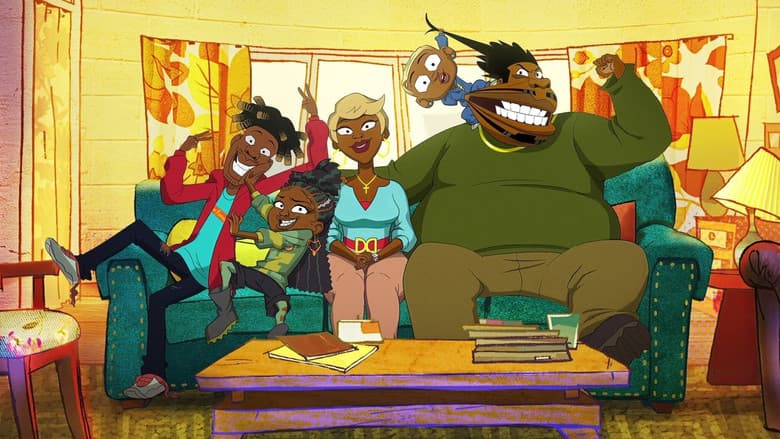
In this edgy, irreverent reimagining of the TV classic, a new generation of the Evans family keeps their heads above water in a Chicago housing project.
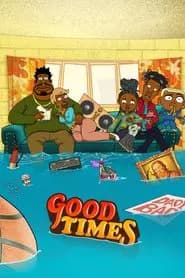
In this edgy, irreverent reimagining of the TV classic, a new generation of the Evans family keeps their heads above water in a Chicago housing project.
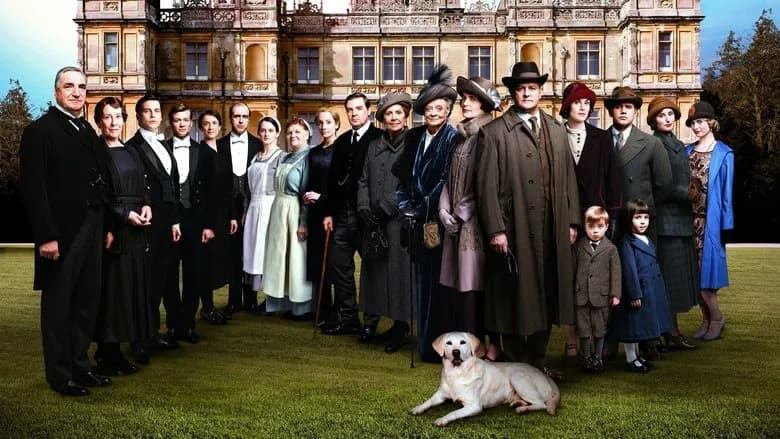
A chronicle of the lives of the aristocratic Crawley family and their servants in the post-Edwardian era—with great events in history having an effect on their lives and on the British social hierarchy.
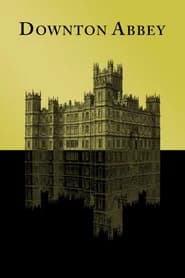
A chronicle of the lives of the aristocratic Crawley family and their servants in the post-Edwardian era—with great events in history having an effect on their lives and on the British social hierarchy.
 JUST OUT
 JUST OUT
 JUST OUT
 FRESH
FRESH FRESH
FRESH FRESH
FRESH FRESH
FRESH FRESH
FRESH FRESH
FRESH FRESH
FRESH FRESH
FRESH