
Morgan Freeman
Hoke Colburn
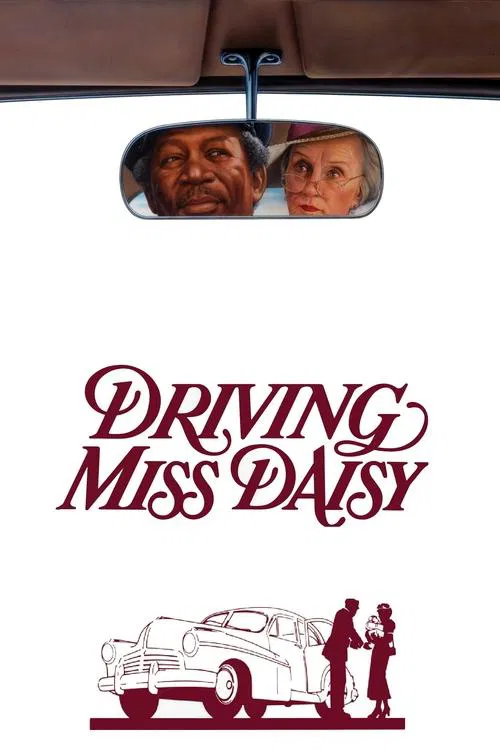
“Driving Miss Daisy (1989) is a United States 1980s period-drama that stages a long, intimate friendship against the hinge-points of Civil Rights and Cold-War-era social expectation. It frames the core conflict through tight framing and measured pacing, using blocking, silence and register-shift as the film's primary devices to map changing power and proximity. The film demonstrates that character-first choreography can make private concessions legible as civic history.”
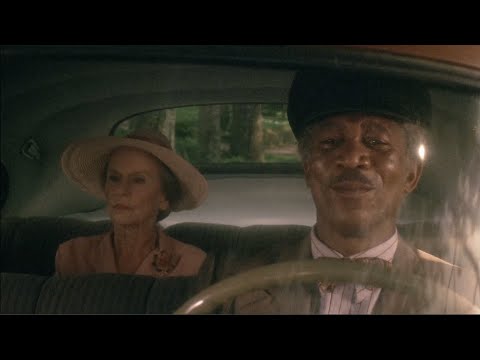
This film offers an intimate look at the evolving relationship between Daisy and her driver, Hoke, capturing their negotiation of distance and care over decades. With a focus on subtle gestures and quiet moments, it reveals deeper truths about identity and belonging within a historical context. Ideal for viewers who appreciate character-driven narratives.
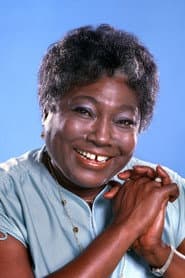
Esther Rolle
Idella
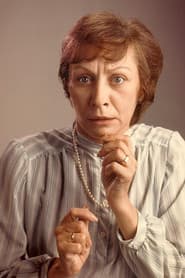
Joann Havrilla
Miss McClatchey
William Hall Jr.
Oscar
Alvin M. Sugarman
Dr. Weil
Clarice F. Geigerman
Nonie
Muriel Moore
Miriam

Bruce Beresford
Director

Katterli Frauenfelder
First Assistant Director
Martha M. Elcan
Second Assistant Director
Annette Haywood-Carter
Script Supervisor

Alfred Uhry
Screenplay
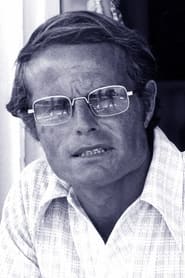
Richard D. Zanuck
Producer
Lili Fini Zanuck
Producer
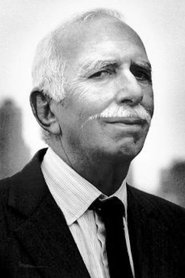
David Brown
Executive Producer

Jake Eberts
Co-Executive Producer

Peter James
Director of Photography
Erich Roland
Camera Operator
Robert Kempf
Key Grip
Sam Emerson
Still Photographer
Mark Warner
Editor

Steven Ramirez
First Assistant Editor
Donald Likovich
Assistant Editor
Bob Putynkowski
Color Timer

Hans Zimmer
Original Music Composer
Barry Levine
Music Supervisor
Laura Perlman
Music Editor
Bruno Rubeo
Production Design
Victor Kempster
Art Direction
Crispian Sallis
Set Decoration
Elizabeth McBride
Costume Design
Kevin Haney
Makeup Artist
Philip Ivey
Hairstylist
Philip Leto
Hairstylist
Sandina Bailo-Lape
Foley
Laura Perlman
Music Editor
Tom Bellfort
ADR & Dubbing
Barry Levine
Music Supervisor
John P. Mesa
Visual Effects
William Mesa
Visual Effects Supervisor
Bob Shelley
Special Effects Coordinator
Gene Witham
Stunts
Mags Kavanaugh
Stunt Double
Danny Mabry
Stunt Double
Carrie Watts is living the twilight of her life trapped in an apartment in 1940s Houston, Texas with a controlling daughter-in-law and a hen-pecked son. Her fondest wish – just once before she dies – is to revisit Bountiful, the small Texas town of her youth which she still refers to as "home."
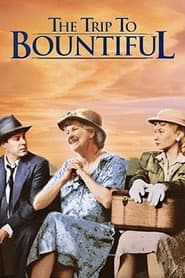
Carrie Watts is living the twilight of her life trapped in an apartment in 1940s Houston, Texas with a controlling daughter-in-law and a hen-pecked son. Her fondest wish – just once before she dies – is to revisit Bountiful, the small Texas town of her youth which she still refers to as "home."
Aibileen Clark is a middle-aged African-American maid who has spent her life raising white children and has recently lost her only son; Minny Jackson is an African-American maid who has often offended her employers despite her family's struggles with money and her desperate need for jobs; and Eugenia "Skeeter" Phelan is a young white woman who has recently moved back home after graduating college to find out her childhood maid has mysteriously disappeared. These three stories intertwine to explain how life in Jackson, Mississippi revolves around "the help"; yet they are always kept at a certain distance because of racial lines.
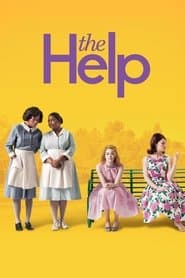
Aibileen Clark is a middle-aged African-American maid who has spent her life raising white children and has recently lost her only son; Minny Jackson is an African-American maid who has often offended her employers despite her family's struggles with money and her desperate need for jobs; and Eugenia "Skeeter" Phelan is a young white woman who has recently moved back home after graduating college to find out her childhood maid has mysteriously disappeared. These three stories intertwine to explain how life in Jackson, Mississippi revolves around "the help"; yet they are always kept at a certain distance because of racial lines.
In 1965, a young woman with dreams of becoming a writer has a son at the age of 15 and struggles to make things work with the drug-addicted father.
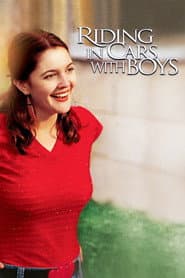
In 1965, a young woman with dreams of becoming a writer has a son at the age of 15 and struggles to make things work with the drug-addicted father.
In 1935 rural Texas, recently widowed Edna Spaulding struggles to survive with two small children, a farm to run, and very little money in the bank - not to mention a deadly tornado and the unwelcome presence of the Ku Klux Klan. Edna is aided by her beautician sister, Margaret; a blind boarder, Mr. Will; and a would-be thief, Moze, who decides to teach Edna how to plant and harvest cotton.
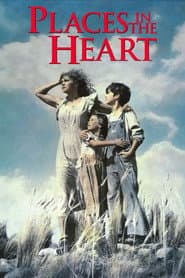
In 1935 rural Texas, recently widowed Edna Spaulding struggles to survive with two small children, a farm to run, and very little money in the bank - not to mention a deadly tornado and the unwelcome presence of the Ku Klux Klan. Edna is aided by her beautician sister, Margaret; a blind boarder, Mr. Will; and a would-be thief, Moze, who decides to teach Edna how to plant and harvest cotton.
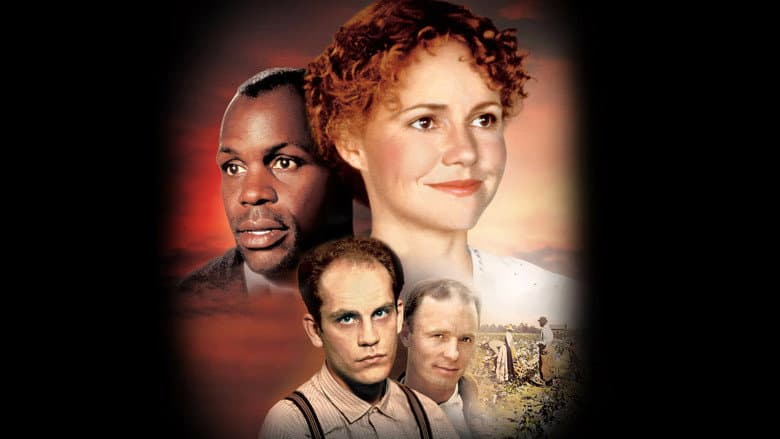
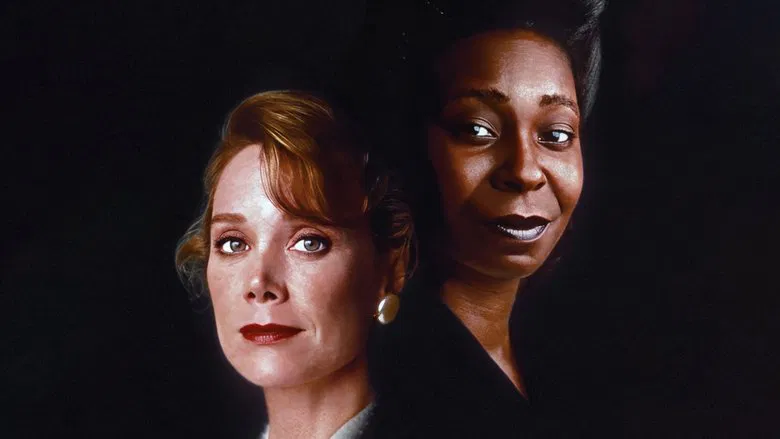
Two women, black and white, in 1955 Montgomery Alabama, must decide what they are going to do in response to the famous bus boycott led by Martin Luther King.
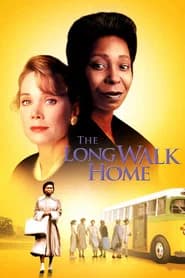
Two women, black and white, in 1955 Montgomery Alabama, must decide what they are going to do in response to the famous bus boycott led by Martin Luther King.
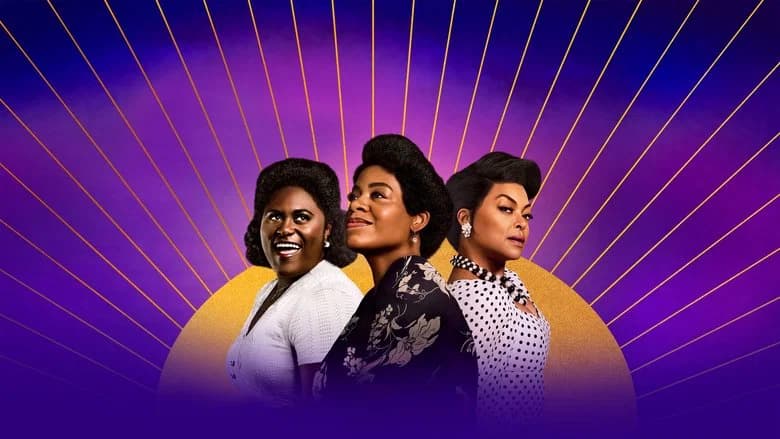
A decades-spanning tale of love and resilience and of one woman's journey to independence. Celie faces many hardships in her life, but ultimately finds extraordinary strength and hope in the unbreakable bonds of sisterhood.
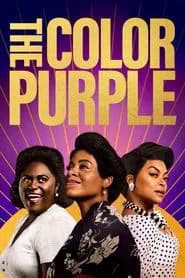
A decades-spanning tale of love and resilience and of one woman's journey to independence. Celie faces many hardships in her life, but ultimately finds extraordinary strength and hope in the unbreakable bonds of sisterhood.
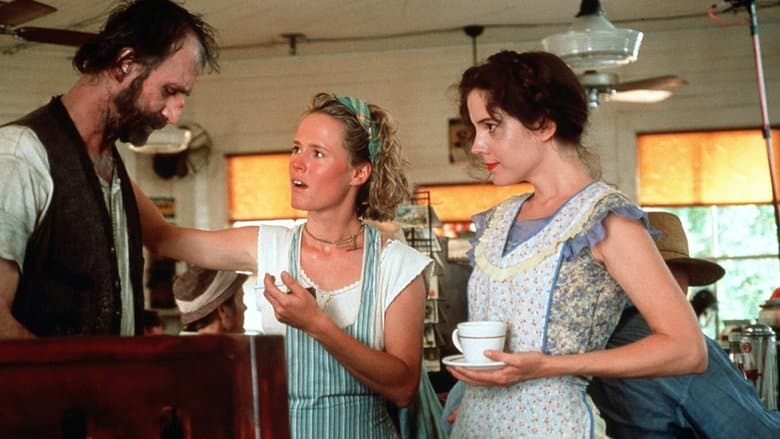
Amidst her own personality crisis, a southern housewife meets an outgoing old woman who tells her the story of Idgie Threadgoode and Ruth Jamison, two young women who experienced hardships and love in 1920s Whistle Stop, Alabama.

Amidst her own personality crisis, a southern housewife meets an outgoing old woman who tells her the story of Idgie Threadgoode and Ruth Jamison, two young women who experienced hardships and love in 1920s Whistle Stop, Alabama.
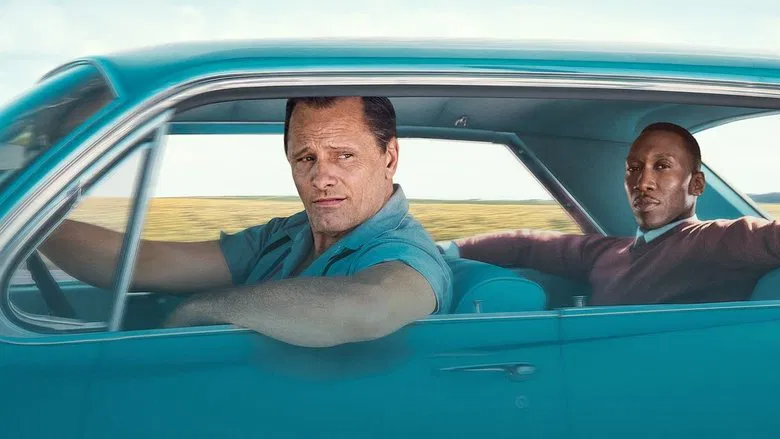
Tony Lip, a bouncer in 1962, is hired to drive pianist Don Shirley on a tour through the Deep South in the days when African Americans, forced to find alternate accommodations and services due to segregation laws below the Mason-Dixon Line, relied on a guide called The Negro Motorist Green Book.

Tony Lip, a bouncer in 1962, is hired to drive pianist Don Shirley on a tour through the Deep South in the days when African Americans, forced to find alternate accommodations and services due to segregation laws below the Mason-Dixon Line, relied on a guide called The Negro Motorist Green Book.
 JUST OUT
 JUST OUT
 JUST OUT
 JUST OUT
 FRESH
FRESH FRESH
FRESH FRESH
FRESH