
Sissy Spacek
Miriam Thompson
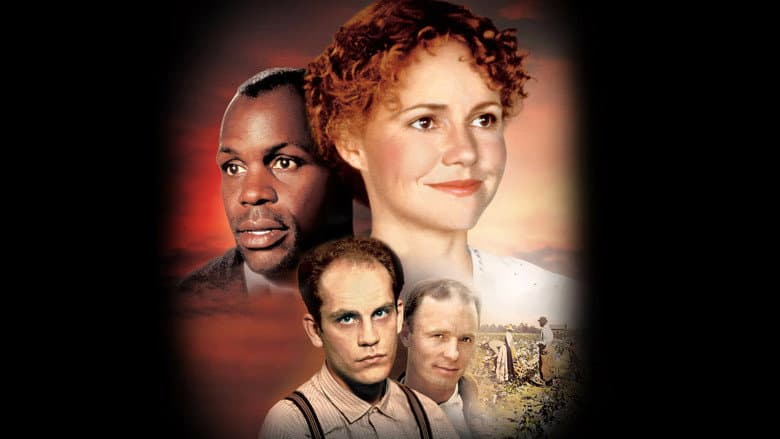
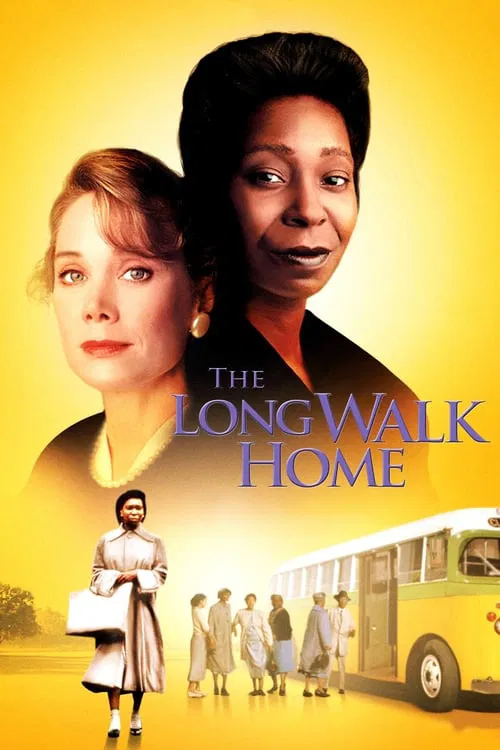
“The Long Walk Home (1990) is a 1990s American period drama that frames the 1955 bus boycott as a site for private moral reckoning. It stages a conflict between two women in tight, domestic tableaux, using intimate framing and a dual-protagonist perspective to turn collective-action into household decisions. The film argues that the civic weight of protest is discovered in personal refusals and the small negotiations that sustain or undermine solidarity.”
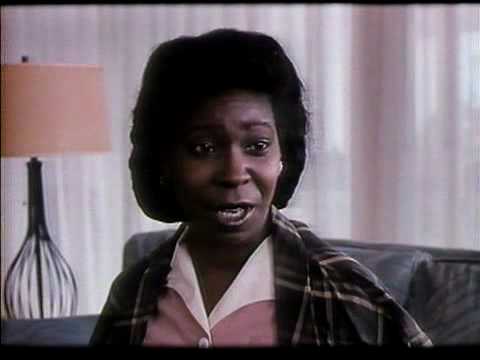
This film intricately examines how public protests resonate within private lives, revealing the moral pressures of everyday choices. By focusing on intimate moments and dual perspectives, it transforms collective action into personal dilemmas. Ideal for viewers interested in the intersection of identity and civic responsibility.

Lexi Randall
Mary Catherine
Richard Habersham
Theodore Cotter

Jason Weaver
Franklin Cotter
Crystal Robbins
Sara Thompson
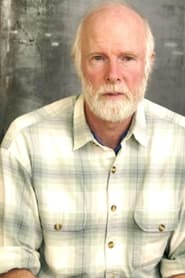
Richard Pearce
Director

John Cork
Writer

Hawk Koch
Producer
Dave Bell
Producer

Taylor Hackford
Executive Producer
Stuart Benjamin
Executive Producer
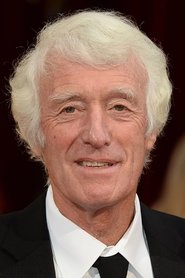
Roger Deakins
Director of Photography
Henry De Bardeleben
Grip
Bill Yahraus
Editor

George Fenton
Original Music Composer
Blake Russell
Production Design
Margery Z. Gabrielson
Art Direction
Gretchen Rau
Set Decoration
Shay Cunliffe
Costume Design
Marietta Carter-Narcisse
Makeup Artist
Coree Lear
Makeup Artist
Susan 'Star' Orr
Hairstylist
Hamilton Sterling
Sound Effects Editor

Shari Rhodes
Casting
Jo Doster
Casting
Al Wyatt Jr.
Stunt Coordinator
A family gathers together for a commemorative ritual whose nature only gradually becomes clear.
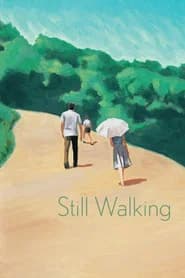
A family gathers together for a commemorative ritual whose nature only gradually becomes clear.
A chronicle of Nelson Mandela's life journey from his childhood in a rural village through to his inauguration as the first democratically elected president of South Africa.
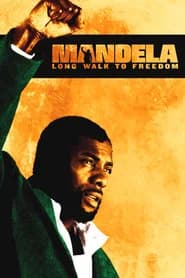
A chronicle of Nelson Mandela's life journey from his childhood in a rural village through to his inauguration as the first democratically elected president of South Africa.
In a dystopian 1970s America, fifty teenage boys take part in a deadly annual walking contest, forced to maintain a minimum pace or be executed, until only one survivor remains.

In a dystopian 1970s America, fifty teenage boys take part in a deadly annual walking contest, forced to maintain a minimum pace or be executed, until only one survivor remains.
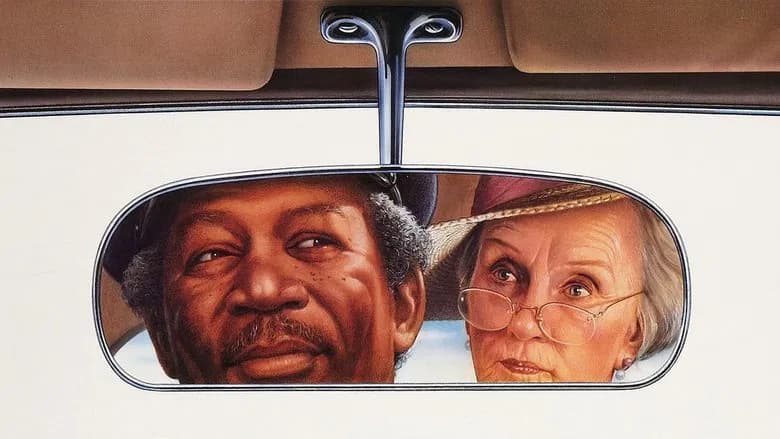
The story of an old Jewish widow named Daisy Werthan and her relationship with her black chauffeur, Hoke. From an initial mere work relationship grew in 25 years a strong friendship between the two very different characters, in a time when those types of relationships were shunned.

The story of an old Jewish widow named Daisy Werthan and her relationship with her black chauffeur, Hoke. From an initial mere work relationship grew in 25 years a strong friendship between the two very different characters, in a time when those types of relationships were shunned.
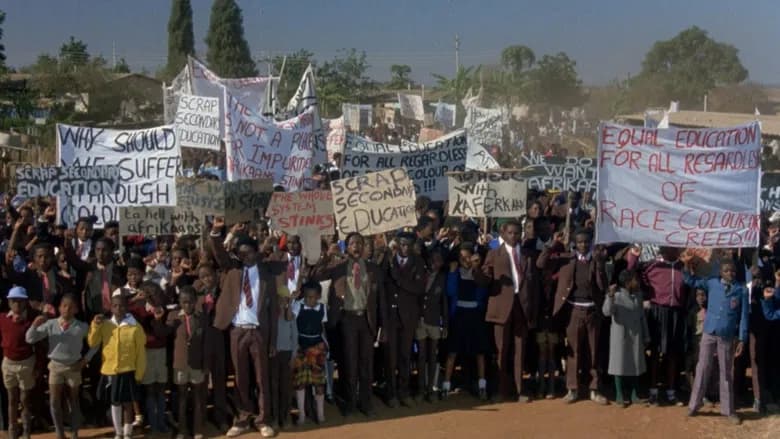
During the 1976 Soweto uprising, a white school teacher's life and values are threatened when he asks questions about the death of a young black boy who died in police custody.
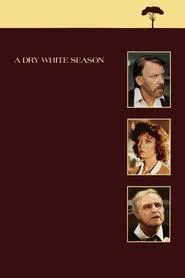
During the 1976 Soweto uprising, a white school teacher's life and values are threatened when he asks questions about the death of a young black boy who died in police custody.
In 1935 rural Texas, recently widowed Edna Spaulding struggles to survive with two small children, a farm to run, and very little money in the bank - not to mention a deadly tornado and the unwelcome presence of the Ku Klux Klan. Edna is aided by her beautician sister, Margaret; a blind boarder, Mr. Will; and a would-be thief, Moze, who decides to teach Edna how to plant and harvest cotton.
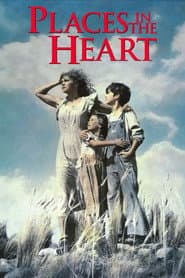
In 1935 rural Texas, recently widowed Edna Spaulding struggles to survive with two small children, a farm to run, and very little money in the bank - not to mention a deadly tornado and the unwelcome presence of the Ku Klux Klan. Edna is aided by her beautician sister, Margaret; a blind boarder, Mr. Will; and a would-be thief, Moze, who decides to teach Edna how to plant and harvest cotton.
In 1920s New York City, a Black woman finds her world upended when her life becomes intertwined with a former childhood friend who's passing as white.
A woman married to a former politician during the 1971 military dictatorship in Brazil is forced to reinvent herself and chart a new course for her family after a violent and arbitrary act.

A woman married to a former politician during the 1971 military dictatorship in Brazil is forced to reinvent herself and chart a new course for her family after a violent and arbitrary act.
 JUST OUT
 JUST OUT
 JUST OUT
 JUST OUT
 FRESH
FRESH FRESH
FRESH FRESH
FRESH