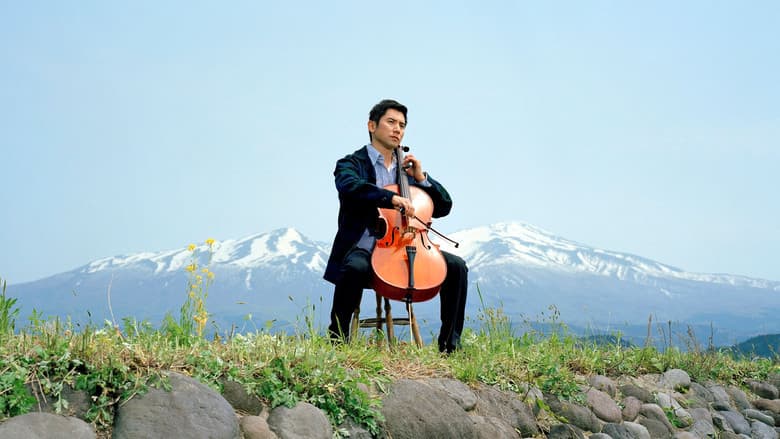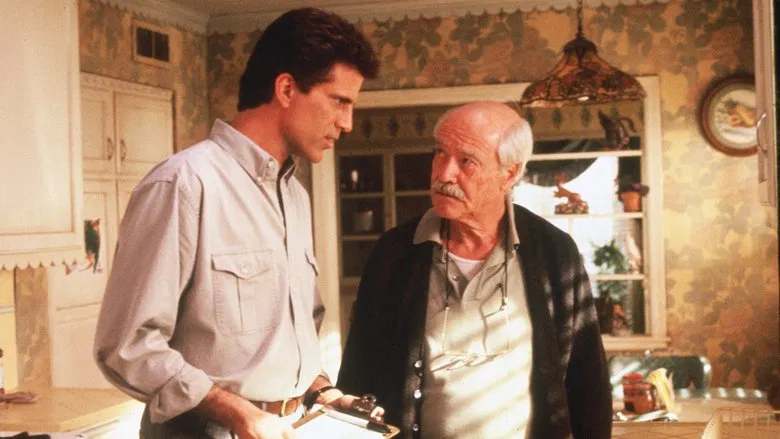

Hiroshi Abe
Ryota Yokoyama
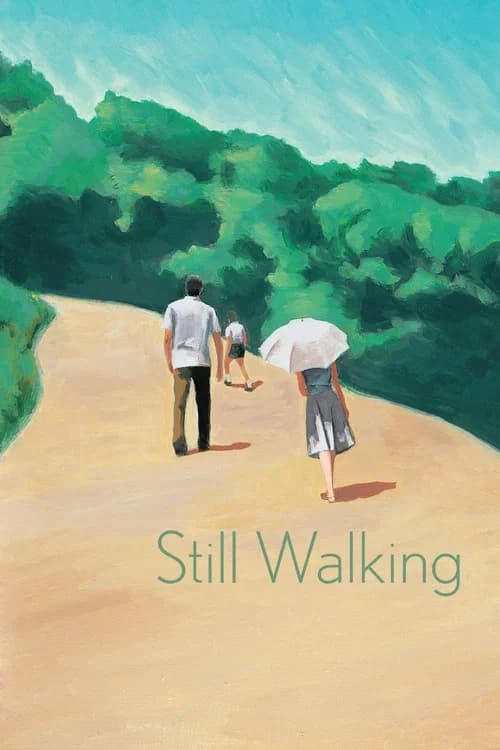
“Still Walking (2008) is a Japanese 2000s family-drama that stages a modest domestic reunion as a space for accumulated grief. It privileges measured long takes and static compositions, letting ritualized gestures, overheard silences and the acoustic texture of a lived interior carry the film's thematic motion. Seen through a mono no aware sensibility, the film reframes ordinary filial smallness into a sustained meditation on memory and responsibility.”
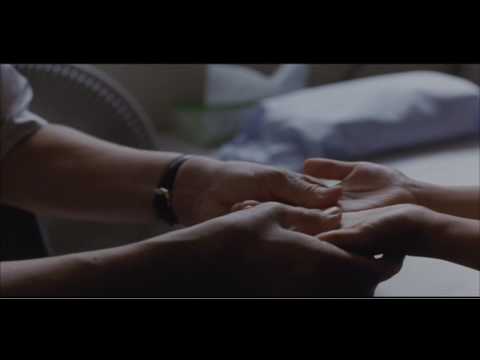
This film invites introspection through its quiet exploration of familial obligations and the nuances of memory. With its static framing and attention to subtle interactions, it refrains from melodrama, offering a layered look at how responsibility and affection intertwine. Ideal for those who appreciate a meditative, slice-of-life experience.
Hiroshi Abe
Ryota Yokoyama

Yui Natsukawa
Yukari Yokoyama

YOU
Chinami Yokoyama
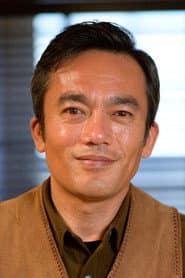
Kazuya Takahashi
Nobuo Kataoka

Shohei Tanaka
Atsushi Yokoyama

Hotaru Nomoto
Satsuki Kataoka
Ryôga Hayashi
Mutsu Kataoka
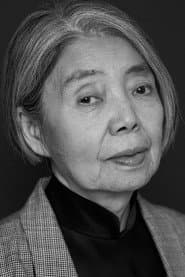
Kirin Kiki
Toshiko Yokoyama
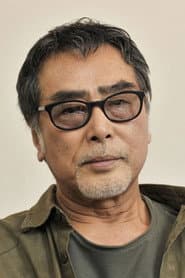
Yoshio Harada
Kyohei Yokoyama
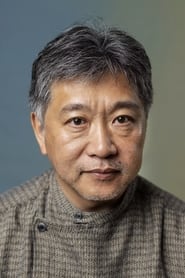
Hirokazu Kore-eda
Director
Hirokazu Kore-eda
Screenplay

Satoshi Kono
Producer
Hijiri Taguchi
Producer
Masahiro Yasuda
Producer
Lee Bong-ou
Producer
Yutaka Yamazaki
Director of Photography
Hirokazu Kore-eda
Editor
Gontiti
Original Music Composer
Tsugihiko Sasaki
Music Producer
Keiko Mitsumatsu
Art Direction
Toshihiro Isomi
Art Direction
Kazuko Kurosawa
Costume Design
Akihiko Okase
Sound Effects
Yutaka Tsurumaki
Sound Recordist
Tsugihiko Sasaki
Music Producer
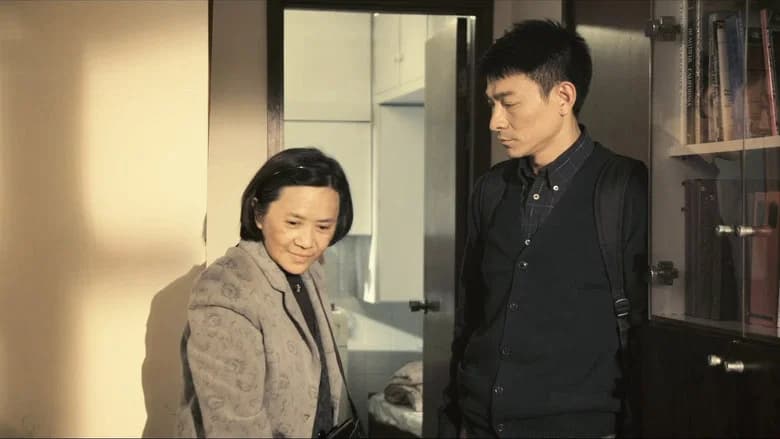
After suffering a stroke, an altruistic maid announces that she wants to quit her job and move into an old people's home.
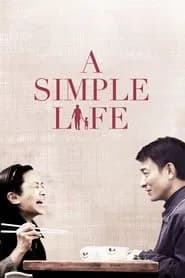
After suffering a stroke, an altruistic maid announces that she wants to quit her job and move into an old people's home.
A woman married to a former politician during the 1971 military dictatorship in Brazil is forced to reinvent herself and chart a new course for her family after a violent and arbitrary act.
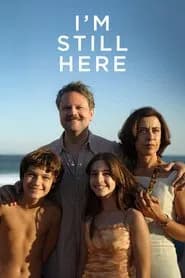
A woman married to a former politician during the 1971 military dictatorship in Brazil is forced to reinvent herself and chart a new course for her family after a violent and arbitrary act.
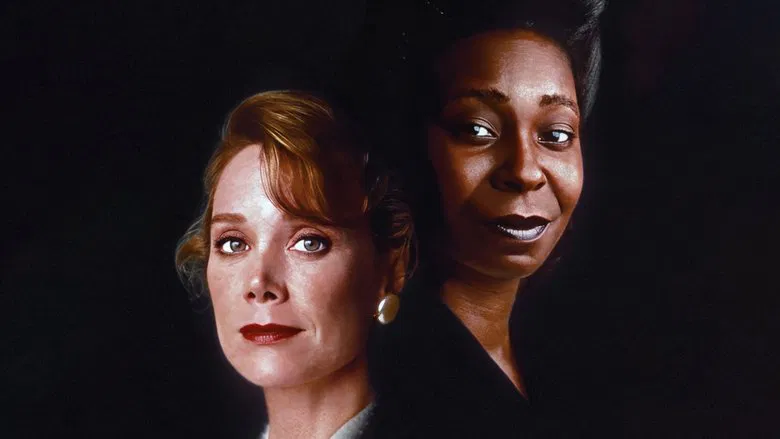
Two women, black and white, in 1955 Montgomery Alabama, must decide what they are going to do in response to the famous bus boycott led by Martin Luther King.
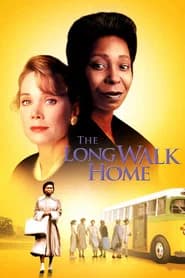
Two women, black and white, in 1955 Montgomery Alabama, must decide what they are going to do in response to the famous bus boycott led by Martin Luther King.
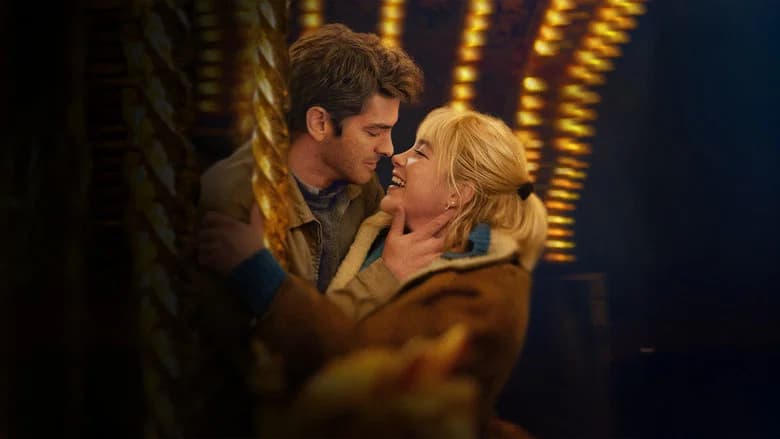
An up-and-coming chef and a recent divorcée find their lives forever changed when a chance encounter brings them together, in a decade-spanning, deeply moving romance.
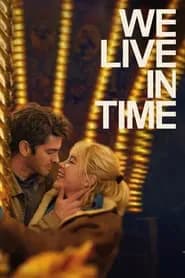
An up-and-coming chef and a recent divorcée find their lives forever changed when a chance encounter brings them together, in a decade-spanning, deeply moving romance.
Daigo, a cellist, is laid off from his orchestra and moves with his wife back to his small hometown where the living is cheaper. Thinking he’s applying for a job at a travel agency he finds he’s being interviewed for work with departures of a more permanent nature – as an undertaker’s assistant.
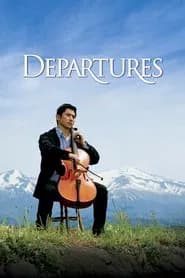
Daigo, a cellist, is laid off from his orchestra and moves with his wife back to his small hometown where the living is cheaper. Thinking he’s applying for a job at a travel agency he finds he’s being interviewed for work with departures of a more permanent nature – as an undertaker’s assistant.
A busy executive learns during a meeting that his mother may be dying and rushes home to her side. He ends up being his father's caretaker and becomes closer to him than ever before. Estranged from his own son, the executive comes to realize what has been missing in his own life.
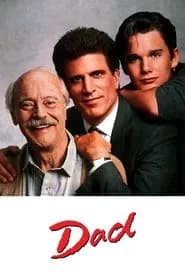
A busy executive learns during a meeting that his mother may be dying and rushes home to her side. He ends up being his father's caretaker and becomes closer to him than ever before. Estranged from his own son, the executive comes to realize what has been missing in his own life.
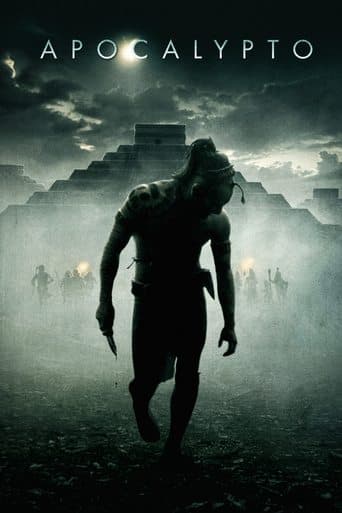
In rural Japan, the survivors of a tragedy converge and attempt to overcome their damaged selves, all while a serial killer is on the loose.
An elderly Nagasaki hibakusha spends a summer caring for her four grandchildren, whose curiosity about the 1945 bombing stirs buried memories and moral questions. When an American nephew from Hawaii visits, the family confronts grief, guilt, and the possibility of reconciliation across generations.
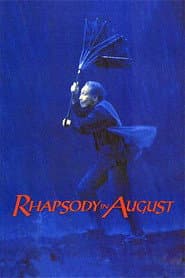
An elderly Nagasaki hibakusha spends a summer caring for her four grandchildren, whose curiosity about the 1945 bombing stirs buried memories and moral questions. When an American nephew from Hawaii visits, the family confronts grief, guilt, and the possibility of reconciliation across generations.
 JUST OUT
 JUST OUT
 JUST OUT
 FRESH
FRESH FRESH
FRESH FRESH
FRESH FRESH
FRESH FRESH
FRESH FRESH
FRESH FRESH
FRESH FRESH
FRESH