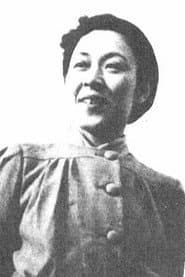
Sachiko Murase
Kane (The Grandmother)
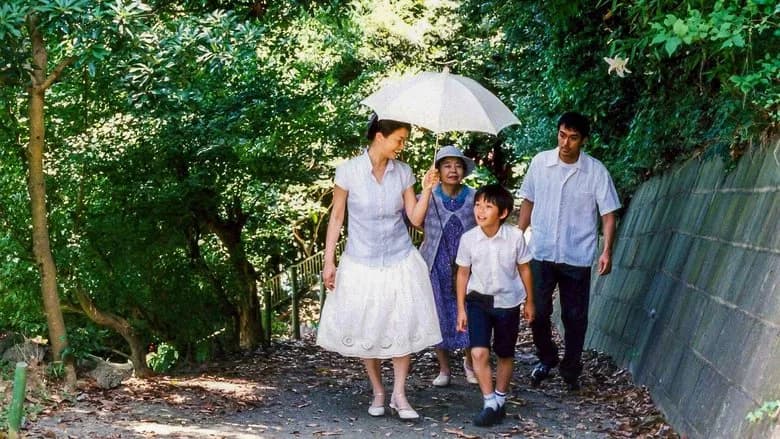
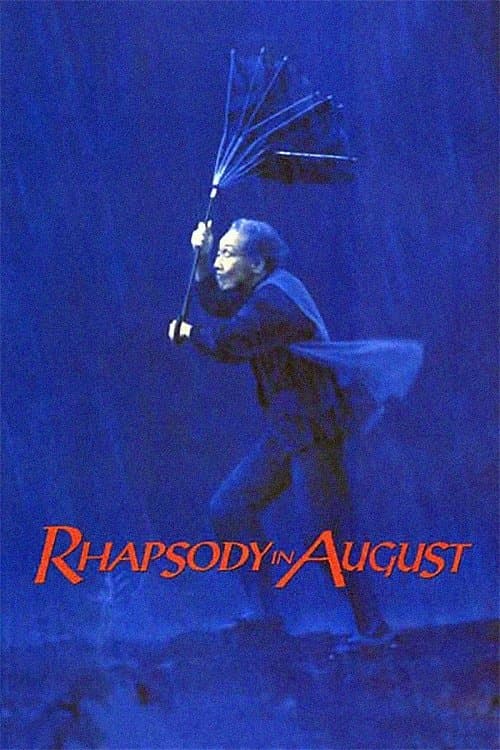
“Rhapsody in August (1991) is a 1990s Japanese folk-horror-inflected family drama that frames private reminiscence as a communal ethical problem. It stages intergenerational grief through static framing and slow-burn pacing, using muted domestic tableaux and patient observation to convert curiosity into historical confrontation. The film insists on contemplative attention, arguing that private memory can carry public moral consequence without dramatic spectacle.”
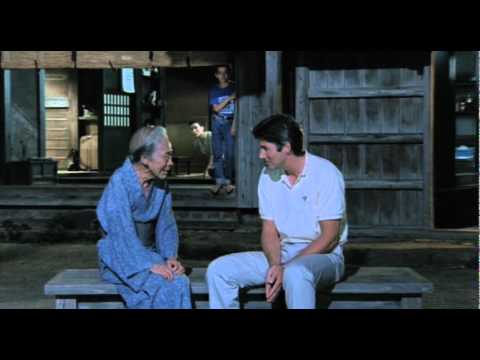
This film examines the intersection of familial bonds and historical trauma, capturing moments of memory and moral complexity. Hushed performances and static compositions invite viewers to reflect on grief and responsibility without easy answers. It's a poignant experience for those intrigued by the nuances of intergenerational stories.
Sachiko Murase
Kane (The Grandmother)
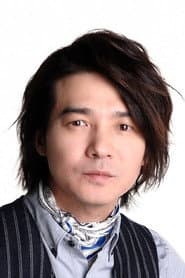
Hidetaka Yoshioka
Tateo
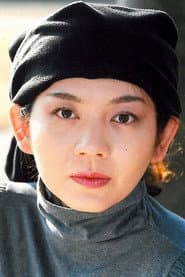
Tomoko Otakara
Tami
Mieko Suzuki
Minako
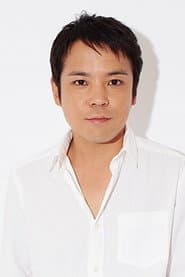
Mitsunori Isaki
Shinjiro
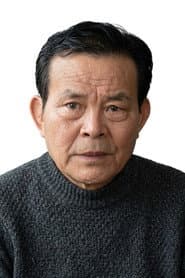
Hisashi Igawa
Tadao

Toshie Negishi
Kane's daughter
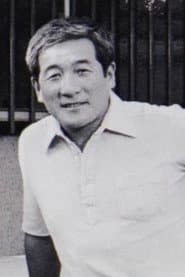
Chōichirō Kawarasaki
Noboru
Narumi Kayashima
Machino
Akira Kurosawa
Director

Ishirō Honda
Assistant Director
Takashi Koizumi
Assistant Director

Okihiro Yoneda
Assistant Director
Akira Kurosawa
Screenplay
Ishirō Honda
Screenplay
Kiyoko Murata
Novel
Hisao Kurosawa
Producer
Toru Okuyama
Executive Producer
Teruyo Nogami
Production Manager
Tsuyoshi Sugino
Assistant Director
Takao Saitō
Director of Photography
Shoji Ueda
Director of Photography
Akira Kurosawa
Editor

Shinichiro Ikebe
Original Music Composer

Yoshirō Muraki
Production Design
Kôichi Hamamura
Set Decoration
Kazuko Kurosawa
Costume Design
Shoshichiro Ueda
Makeup Artist
Tameyuki Aimi
Makeup Artist
Norio Sano
Makeup Artist
Kenichi Benitani
Sound
Ichirô Minawa
Sound Effects Editor
Masatoshi Saito
Sound Effects Editor
Soichi Inoue
Sound Assistant
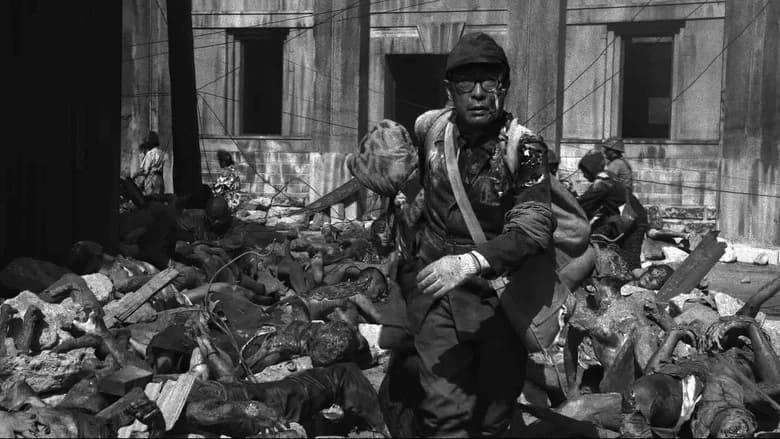
Shigematsu Shizuma, who lives with his family in a village near Fukuyama, was in Hiroshima with his wife and niece just after the devastating atomic bombing, a tragedy that cruelly took the lives of thousands of people and forever marked the harsh existence of the survivors.
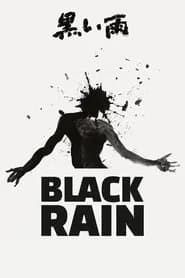
Shigematsu Shizuma, who lives with his family in a village near Fukuyama, was in Hiroshima with his wife and niece just after the devastating atomic bombing, a tragedy that cruelly took the lives of thousands of people and forever marked the harsh existence of the survivors.
A family gathers together for a commemorative ritual whose nature only gradually becomes clear.
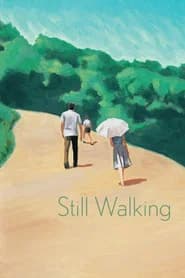
A family gathers together for a commemorative ritual whose nature only gradually becomes clear.
In rural Japan, the survivors of a tragedy converge and attempt to overcome their damaged selves, all while a serial killer is on the loose.
In this drama from director Alan Parker, on-the-lam Jack McGurn flees to Los Angeles and takes a job as a projectionist at a movie theater owned by a Japanese-American man. Jack falls for the owner's daughter, Lily, but they are forced to elope to Seattle when her father forbids the relationship. The couple marry and have a daughter, but when World War II breaks out, Jack is powerless to stop his new family's forced internment.
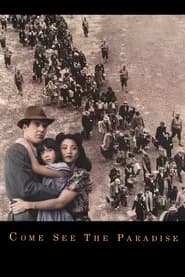
In this drama from director Alan Parker, on-the-lam Jack McGurn flees to Los Angeles and takes a job as a projectionist at a movie theater owned by a Japanese-American man. Jack falls for the owner's daughter, Lily, but they are forced to elope to Seattle when her father forbids the relationship. The couple marry and have a daughter, but when World War II breaks out, Jack is powerless to stop his new family's forced internment.
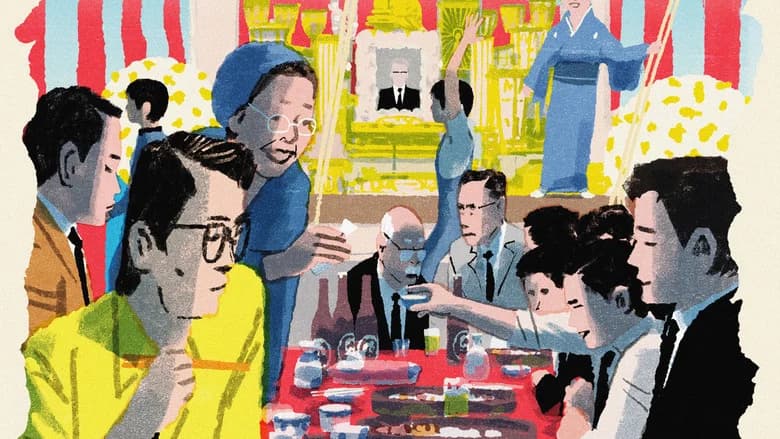
When Wabisuke's father-in-law unexpectedly dies, the family goes through a series of random events and occurrences as the funeral unfolds over three days in their home.
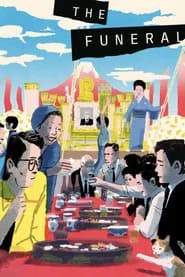
When Wabisuke's father-in-law unexpectedly dies, the family goes through a series of random events and occurrences as the funeral unfolds over three days in their home.
Eugenio spends the summer looking after his aunt and uncle’s house - a place that once belonged to him - while seeking inspiration for a screenplay he is writing. Martín, currently unemployed, offers to handle various repairs around the house. The two met long ago as children but had not seen each other since. However, their renewed connection is built on deception: Martín has nowhere to sleep but lies to Eugenio about it, while Eugenio seems interested in Martín as something more than just a friend.

Eugenio spends the summer looking after his aunt and uncle’s house - a place that once belonged to him - while seeking inspiration for a screenplay he is writing. Martín, currently unemployed, offers to handle various repairs around the house. The two met long ago as children but had not seen each other since. However, their renewed connection is built on deception: Martín has nowhere to sleep but lies to Eugenio about it, while Eugenio seems interested in Martín as something more than just a friend.
Following the death of the Leigh family matriarch, Annie and her children uncover disturbing secrets about their heritage. Their daily lives are not only impacted, but they also become entangled in a chilling fate from which they cannot escape, driving them to the brink of madness.
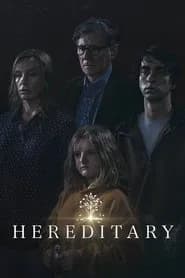
Following the death of the Leigh family matriarch, Annie and her children uncover disturbing secrets about their heritage. Their daily lives are not only impacted, but they also become entangled in a chilling fate from which they cannot escape, driving them to the brink of madness.
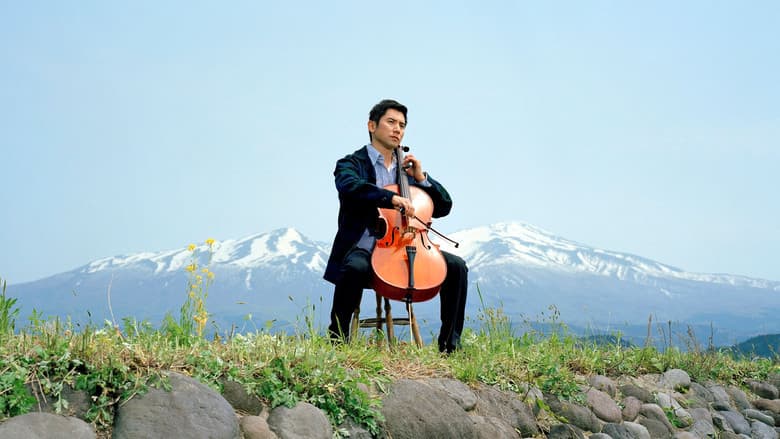
Daigo, a cellist, is laid off from his orchestra and moves with his wife back to his small hometown where the living is cheaper. Thinking he’s applying for a job at a travel agency he finds he’s being interviewed for work with departures of a more permanent nature – as an undertaker’s assistant.
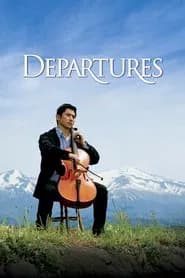
Daigo, a cellist, is laid off from his orchestra and moves with his wife back to his small hometown where the living is cheaper. Thinking he’s applying for a job at a travel agency he finds he’s being interviewed for work with departures of a more permanent nature – as an undertaker’s assistant.
 JUST OUT
 JUST OUT
 JUST OUT
 JUST OUT
 FRESH
FRESH FRESH
FRESH FRESH
FRESH