
Yves Montand
César Soubeyran, aka 'le Papet'
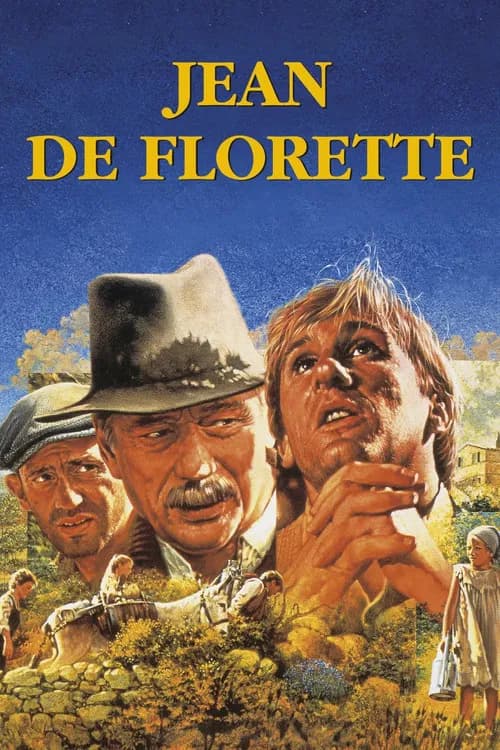
“Jean de Florette (1986) is a French 1980s rural drama that anchors a moral conflict in the language of land and scarcity. It frames a land-and-water dispute as a character study, pairing wide-anamorphic compositions with slow-burn pacing to translate withholding and proximity into a rhetorical structure. The film insists that questions of inheritance and livelihood are cultural tests, and it stages moral-unease as a communal consequence rather than a private tragedy.”

This film intricately portrays the ethical dilemmas surrounding land and resources within a rural community. Through its measured pacing and striking visuals, it examines how silence and proximity shape relationships amid emotional and material scarcity. Ideal for those who appreciate slow, thoughtful storytelling steeped in rural naturalism.
Yves Montand
César Soubeyran, aka 'le Papet'

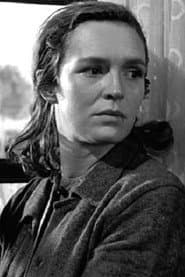
Elisabeth Depardieu
Aimée Cadoret, wife of Jean
Margarita Lozano
Baptistine, Piedmontese of the cave

Ernestine Mazurowna
Manon Cadoret, daughter of Jean & Aimée

Armand Meffre
Philoxène, mayor

André Dupon
Pamphile, joiner

Pierre Nougaro
Casimir

Jean Maurel
Anglade, believer

Claude Berri
Director
Hélène Sébillotte
Script Supervisor

Xavier Castano
Assistant Director
Claude Berri
Screenplay

Gérard Brach
Screenplay

Marcel Pagnol
Novel
Arlette Langmann
Editor

Pierre Grunstein
Executive Producer

Alain Poiré
Associate Producer
Claude Berri
Screenplay

Bruno Nuytten
Director of Photography
Arlette Langmann
Editor

Hervé de Luze
Editor

Noëlle Boisson
Editor
Sophie Coussein
Editor

Jean-Claude Petit
Original Music Composer

Toots Thielemans
Musician

Bernard Vézat
Production Design
Françoise Doré
Set Decoration

Sylvie Gautrelet
Costume Design
Michele Dernelle
Makeup Artist
Dominique Hennequin
Sound

Laurent Quaglio
Sound

Pierre Gamet
Sound

Eric Mauer
Sound Editor
Marie-Christine Lafosse
Casting
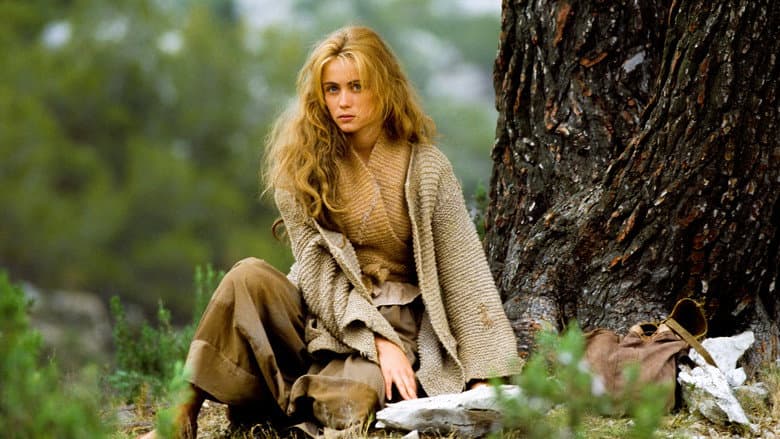
In this, the sequel to Jean de Florette, Manon has grown into a beautiful young shepherdess living in the idyllic Provencal countryside. She plots vengeance on the men who greedily conspired to acquire her father's land years earlier.
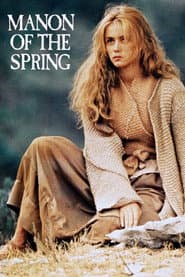
In this, the sequel to Jean de Florette, Manon has grown into a beautiful young shepherdess living in the idyllic Provencal countryside. She plots vengeance on the men who greedily conspired to acquire her father's land years earlier.
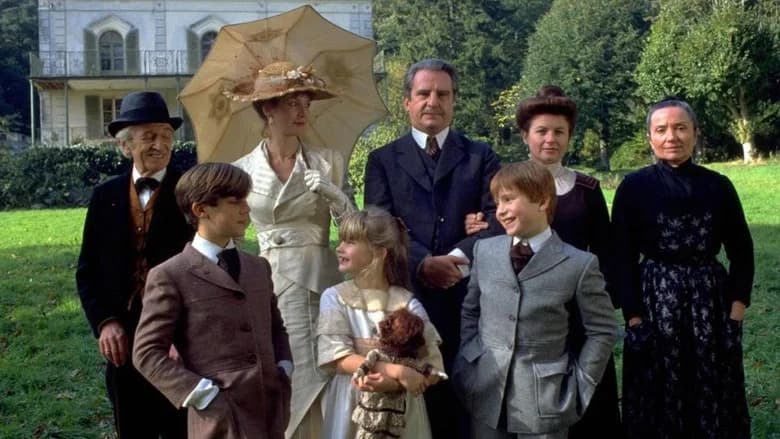
In France, before WWI. As every Sunday, an old painter living in the country is visited by his son Gonzague, coming with his wife and his three children. Then his daugther Irene arrives. She is always in a hurry, she lives alone and does not come so often... An intimist chronicle in which what is not shown, what is guessed, is more important than how it looks, dealing with what each character expects of life.
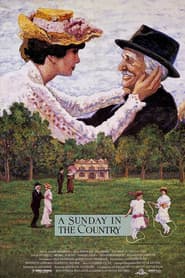
In France, before WWI. As every Sunday, an old painter living in the country is visited by his son Gonzague, coming with his wife and his three children. Then his daugther Irene arrives. She is always in a hurry, she lives alone and does not come so often... An intimist chronicle in which what is not shown, what is guessed, is more important than how it looks, dealing with what each character expects of life.
In 19th century France, Jean Valjean, a man imprisoned for stealing bread, must flee a relentless policeman named Javert. The pursuit consumes both men's lives, and soon Valjean finds himself in the midst of the student revolutions in France.

In 19th century France, Jean Valjean, a man imprisoned for stealing bread, must flee a relentless policeman named Javert. The pursuit consumes both men's lives, and soon Valjean finds himself in the midst of the student revolutions in France.
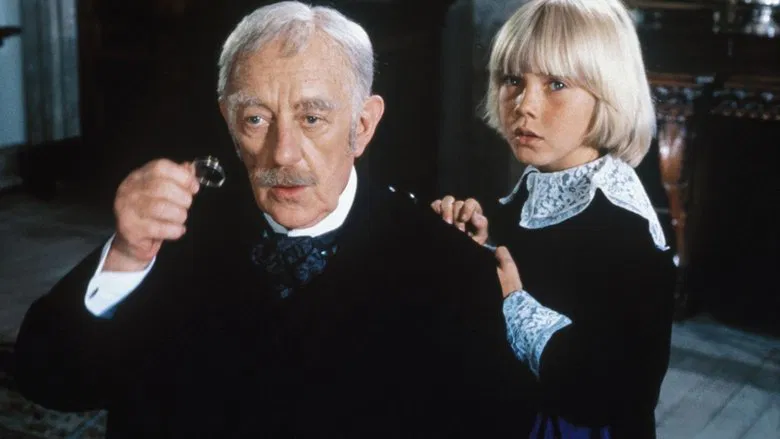
Young Cedric Errol and his widowed mother live in genteel poverty in 1880s Brooklyn after the death of his father. Cedric's grandfather, the Earl of Dorincourt, has long ago disowned his son for marrying an American. But after the death of the Earl's remaining son, he decides to accept Cedric as his heir.
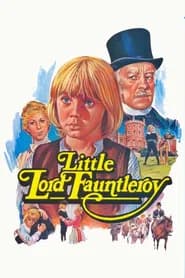
Young Cedric Errol and his widowed mother live in genteel poverty in 1880s Brooklyn after the death of his father. Cedric's grandfather, the Earl of Dorincourt, has long ago disowned his son for marrying an American. But after the death of the Earl's remaining son, he decides to accept Cedric as his heir.
In 1935 rural Texas, recently widowed Edna Spaulding struggles to survive with two small children, a farm to run, and very little money in the bank - not to mention a deadly tornado and the unwelcome presence of the Ku Klux Klan. Edna is aided by her beautician sister, Margaret; a blind boarder, Mr. Will; and a would-be thief, Moze, who decides to teach Edna how to plant and harvest cotton.
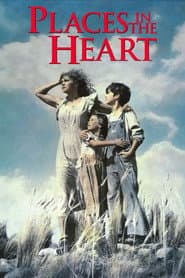
In 1935 rural Texas, recently widowed Edna Spaulding struggles to survive with two small children, a farm to run, and very little money in the bank - not to mention a deadly tornado and the unwelcome presence of the Ku Klux Klan. Edna is aided by her beautician sister, Margaret; a blind boarder, Mr. Will; and a would-be thief, Moze, who decides to teach Edna how to plant and harvest cotton.
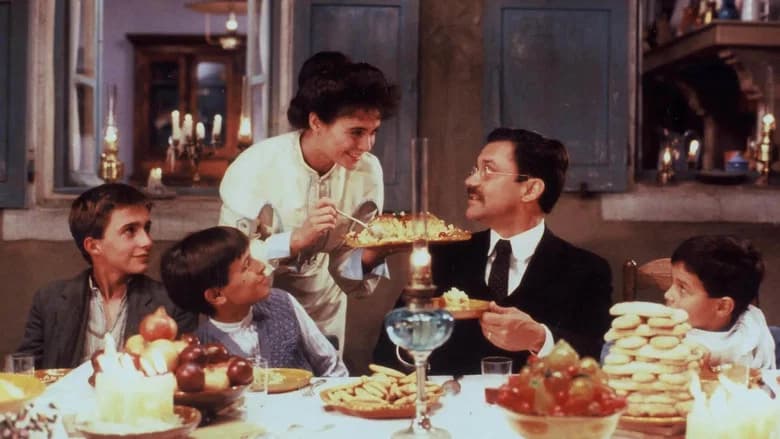
To his chagrin, young Marcel Pagnol and his family move back to their home in Marseille, France, far from their pastoral holiday cottage in the hills. Determined, Marcel makes the long voyage back to the cottage on foot and lands himself in trouble. One day Marcel's father discovers a shortcut to the cottage, but it requires trespassing. Despite their trepidations, Marcel and his family begin using the secret trail to reach their cottage.
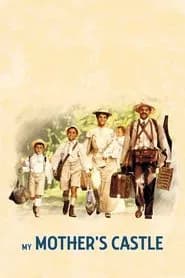
To his chagrin, young Marcel Pagnol and his family move back to their home in Marseille, France, far from their pastoral holiday cottage in the hills. Determined, Marcel makes the long voyage back to the cottage on foot and lands himself in trouble. One day Marcel's father discovers a shortcut to the cottage, but it requires trespassing. Despite their trepidations, Marcel and his family begin using the secret trail to reach their cottage.
A story is about young teenage girl, with sister and brothers, a pleasant uncle and aunt, an annoying nanny, a young boy interested in kissing her, a close relationship with the imaginary addressee of her daily diary and her parents' disintegrating marriage - all this in a rented house in a summer resort.

A story is about young teenage girl, with sister and brothers, a pleasant uncle and aunt, an annoying nanny, a young boy interested in kissing her, a close relationship with the imaginary addressee of her daily diary and her parents' disintegrating marriage - all this in a rented house in a summer resort.
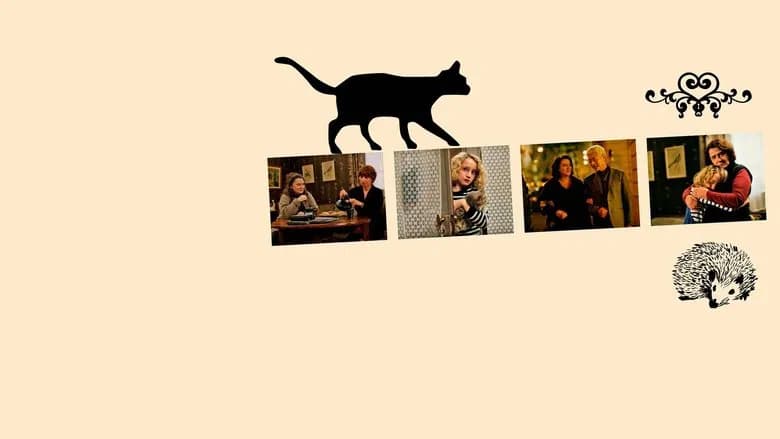
Paloma is a serious and highly articulate but deeply bored 11-year-old who has decided to kill herself on her 12th birthday. Fascinated by art and philosophy, she questions and documents her life and immediate circle, drawing trenchant and often hilarious observations on the world around her. But as her appointment with death approaches, Paloma finally meets some kindred spirits in her building's grumpy janitor and an enigmatic, elegant neighbor, both of whom inspire Paloma to question her rather pessimistic outlook on life.
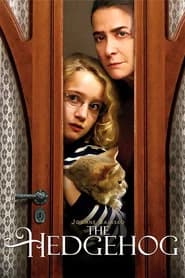
Paloma is a serious and highly articulate but deeply bored 11-year-old who has decided to kill herself on her 12th birthday. Fascinated by art and philosophy, she questions and documents her life and immediate circle, drawing trenchant and often hilarious observations on the world around her. But as her appointment with death approaches, Paloma finally meets some kindred spirits in her building's grumpy janitor and an enigmatic, elegant neighbor, both of whom inspire Paloma to question her rather pessimistic outlook on life.
 JUST OUT
 JUST OUT
 JUST OUT
 FRESH
FRESH FRESH
FRESH FRESH
FRESH FRESH
FRESH FRESH
FRESH FRESH
FRESH FRESH
FRESH FRESH
FRESH