
Rick Schroder
Cedric Errol / Lord Fauntleroy
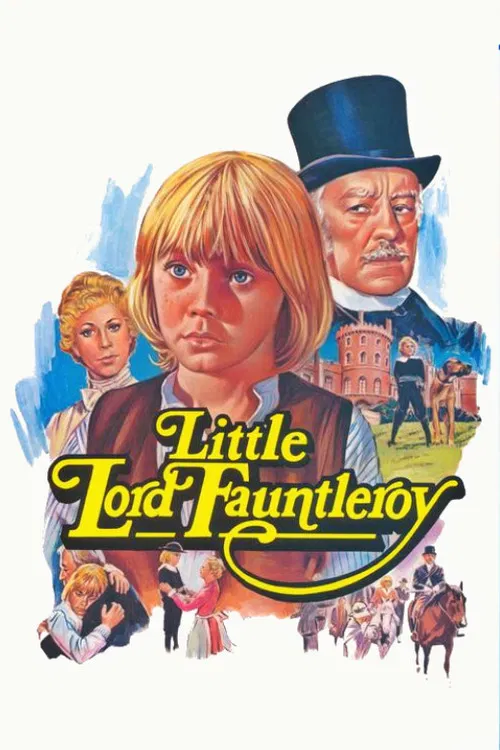
“Little Lord Fauntleroy (1980) is a 1980s British-period family drama that stages a transatlantic inheritance conflict between a widowed American mother, a child-protagonist, and an estranged aristocrat. It concentrates dramatic force on relational negotiation and visual tableaux, using static-frame composition and measured pacing to emphasize admission, withholding and register-shift. The film demonstrates that small acts of familial concession recalibrate inherited authority and cultural belonging, supplying a comfort-oriented moral logic for family audiences.”
This film presents a nuanced exploration of familial relationships, focusing on a child and his estranged grandfather. Through subtle performances and restrained storytelling, it examines themes of love and belonging amidst social expectations. A gentle choice for those who appreciate character-driven narratives.

Alec Guinness
Earl of Dorincourt

Eric Porter
Mr. Havisham

Colin Blakely
Silas Hobbs

Connie Booth
Mrs. Errol

Rachel Kempson
Lady Lorradaile
Gerry Cowper
Mellon

Barry Jackson
Hustings
Antonia Pemberton
Mrs. Dawson
John Southworth
Higgins

Jack Gold
Director

Blanche Hanalis
Author
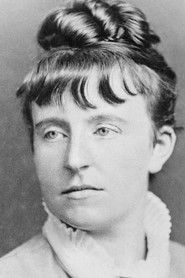
Frances Hodgson Burnett
Novel
Norman Rosemont
Producer
William Hill
Associate Producer
Arthur Ibbetson
Director of Photography
David Wynn-Jones
First Assistant Camera
Keith Palmer
Editor
Allyn Ferguson
Original Music Composer
Herbert Westbrook
Production Design
Martin Atkinson
Art Direction
Olga Lehmann
Costume Design
Roy Ashton
Makeup Artist
Ronald Coggan
Hairstylist
Gerry Humphreys
Sound
Irene Lamb
Casting
In a rural French village, an old man and his only remaining relative cast their covetous eyes on an adjoining vacant property. They need its spring water for growing their flowers, and are dismayed to hear that the man who has inherited it is moving in. They block up the spring and watch as their new neighbour tries to keep his crops watered from wells far afield through the hot summer. Though they see his desperate efforts are breaking his health and his wife and daughter's hearts, they think only of getting the water.

In a rural French village, an old man and his only remaining relative cast their covetous eyes on an adjoining vacant property. They need its spring water for growing their flowers, and are dismayed to hear that the man who has inherited it is moving in. They block up the spring and watch as their new neighbour tries to keep his crops watered from wells far afield through the hot summer. Though they see his desperate efforts are breaking his health and his wife and daughter's hearts, they think only of getting the water.
A Polish-Jewish family comes to the U.S. at the beginning of the twentieth century. There, the family and their children try to make themselves a better future in the so-called promised land.

A Polish-Jewish family comes to the U.S. at the beginning of the twentieth century. There, the family and their children try to make themselves a better future in the so-called promised land.
In France, before WWI. As every Sunday, an old painter living in the country is visited by his son Gonzague, coming with his wife and his three children. Then his daugther Irene arrives. She is always in a hurry, she lives alone and does not come so often... An intimist chronicle in which what is not shown, what is guessed, is more important than how it looks, dealing with what each character expects of life.
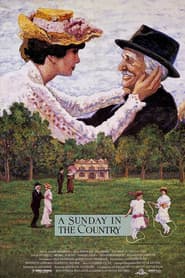
In France, before WWI. As every Sunday, an old painter living in the country is visited by his son Gonzague, coming with his wife and his three children. Then his daugther Irene arrives. She is always in a hurry, she lives alone and does not come so often... An intimist chronicle in which what is not shown, what is guessed, is more important than how it looks, dealing with what each character expects of life.
Sylvia's work increasingly takes her away from the three men who help bring up Mary, her daughter. When she decides to move to England and take Mary with her, the three men are heartbroken at losing the two most important women in their lives.

Sylvia's work increasingly takes her away from the three men who help bring up Mary, her daughter. When she decides to move to England and take Mary with her, the three men are heartbroken at losing the two most important women in their lives.
As children in the loving Ekdahl family, Fanny and Alexander enjoy a happy life with their parents, who run a theater company. After their father dies unexpectedly, however, the siblings end up in a joyless home when their mother, Emilie, marries a stern bishop. The bleak situation gradually grows worse as the bishop becomes more controlling, but dedicated relatives make a valiant attempt to aid Emilie, Fanny and Alexander.

As children in the loving Ekdahl family, Fanny and Alexander enjoy a happy life with their parents, who run a theater company. After their father dies unexpectedly, however, the siblings end up in a joyless home when their mother, Emilie, marries a stern bishop. The bleak situation gradually grows worse as the bishop becomes more controlling, but dedicated relatives make a valiant attempt to aid Emilie, Fanny and Alexander.
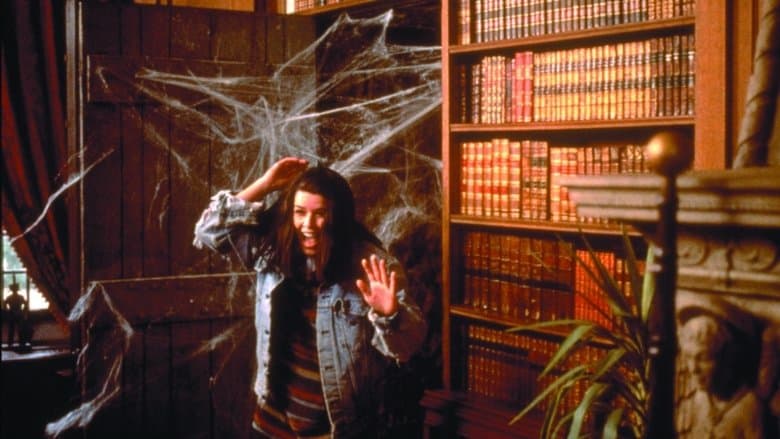
When a teenaged girl moves to England, with her brothers and parents into the ancient Canterville Hall, she's not at all happy. Especially as there's a ghost and a mysterious re-appearing bloodstain on the hearth. She campaigns to go back home, and her dad, believing the ghost's pranks are Ginny's, is ready to send her back. But then Ginny actually meets the elusive 17th-century Sir Simon de Canterville (not to mention the cute teenaged duke next door), and she sets her hand to the task of freeing Sir Simon from his curse.

When a teenaged girl moves to England, with her brothers and parents into the ancient Canterville Hall, she's not at all happy. Especially as there's a ghost and a mysterious re-appearing bloodstain on the hearth. She campaigns to go back home, and her dad, believing the ghost's pranks are Ginny's, is ready to send her back. But then Ginny actually meets the elusive 17th-century Sir Simon de Canterville (not to mention the cute teenaged duke next door), and she sets her hand to the task of freeing Sir Simon from his curse.
Carrie Watts is living the twilight of her life trapped in an apartment in 1940s Houston, Texas with a controlling daughter-in-law and a hen-pecked son. Her fondest wish – just once before she dies – is to revisit Bountiful, the small Texas town of her youth which she still refers to as "home."

Carrie Watts is living the twilight of her life trapped in an apartment in 1940s Houston, Texas with a controlling daughter-in-law and a hen-pecked son. Her fondest wish – just once before she dies – is to revisit Bountiful, the small Texas town of her youth which she still refers to as "home."
A young British officer resigns his post when he learns of his regiment's plan to ship out to the Sudan for the conflict with the Mahdi. His friends and fiancée send him four white feathers as symbols of what they view as his cowardice. To redeem his honor, he disguises himself as an Arab and secretly saves their lives.

A young British officer resigns his post when he learns of his regiment's plan to ship out to the Sudan for the conflict with the Mahdi. His friends and fiancée send him four white feathers as symbols of what they view as his cowardice. To redeem his honor, he disguises himself as an Arab and secretly saves their lives.
 JUST OUT
 JUST OUT
 JUST OUT
 JUST OUT
 FRESH
FRESH FRESH
FRESH FRESH
FRESH