
Catherine Deneuve
Marion Steiner
“The Last Metro (1980) is a 1980 French drama that stages wartime moral dilemmas inside theatrical life. It compresses the conflict of an actress hiding her Jewish husband into tight framing, muted textures and measured pacing that make the stage feel like both refuge and trap. The Last Metro insists that wartime stagecraft exposes a persistent moral-unease at the heart of national memory.”

This film presents a nuanced exploration of an actress's struggle to maintain her theatre and conceal her Jewish husband during occupation. It uses a measured pace and tight framing to emphasize the moral complexities of performance, making every interaction laden with social consequence. Ideal for those who appreciate character-driven narratives and ethical dilemmas.

Paulette Dubost
Germaine Fabre

Jean-Louis Richard
Daxiat

Maurice Risch
Raymond Boursier

Heinz Bennent
Lucas Steiner

Sabine Haudepin
Nadine Marsac

Christian Baltauss
Lucien Ballard, Bernard's Replacement
Emmanuel Clot
Second Assistant Director

François Truffaut
Screenplay

Suzanne Schiffman
Assistant Director
Jean-José Richer
Production Manager
François Truffaut
Screenplay
Suzanne Schiffman
Screenplay

Jean-Claude Grumberg
Dialogue
François Truffaut
Producer
Jean-José Richer
Production Manager
Roland Thénot
Assistant Production Manager

Néstor Almendros
Director of Photography

Martine Barraqué
Editor

Georges Delerue
Original Music Composer

Jean-Pierre Kohut-Svelko
Production Design
Liselle Roos
Costume Design
Thi-Loan Nguyen
Makeup Artist
Françoise Bensoussan
Makeup Artist
Nadine Leroy
Hairstylist

Michel Laurent
Sound
A successful photographer gives up everything to devote himself to writing and discovers poverty.
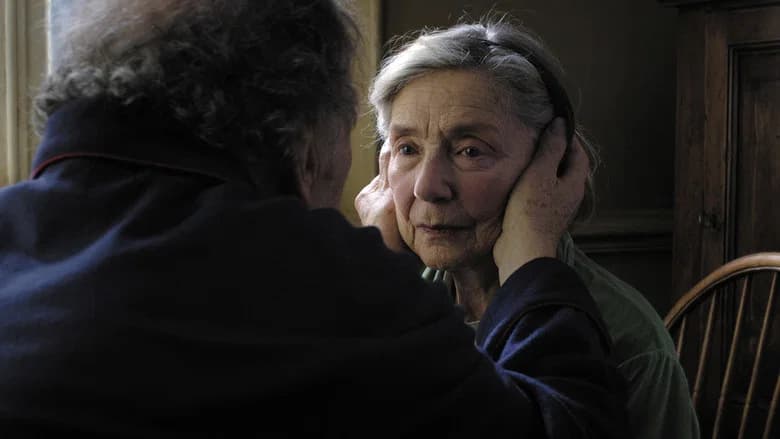
Georges and Anne are in their eighties. They are cultivated, retired music teachers. Their daughter, who is also a musician, lives abroad with her family. One day, Anne has a stroke, and the couple's bond of love is severely tested.
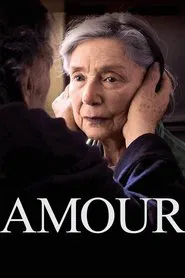
Georges and Anne are in their eighties. They are cultivated, retired music teachers. Their daughter, who is also a musician, lives abroad with her family. One day, Anne has a stroke, and the couple's bond of love is severely tested.
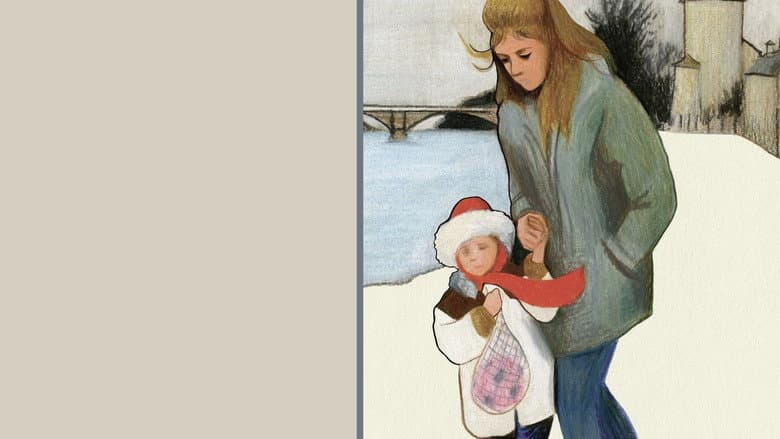
Felicie and Charles have a whirlwind holiday romance. Due to a mix-up on addresses they lose contact, and five years later at Christmas-time Felicie is living with her mother in a cold Paris with a daughter as a reminder of that long-ago summer. For male companionship she oscillates between hairdresser Maxence and the intellectual Loic, but seems unable to commit to either as the memory of Charles and what might have been hangs over everything.

Felicie and Charles have a whirlwind holiday romance. Due to a mix-up on addresses they lose contact, and five years later at Christmas-time Felicie is living with her mother in a cold Paris with a daughter as a reminder of that long-ago summer. For male companionship she oscillates between hairdresser Maxence and the intellectual Loic, but seems unable to commit to either as the memory of Charles and what might have been hangs over everything.
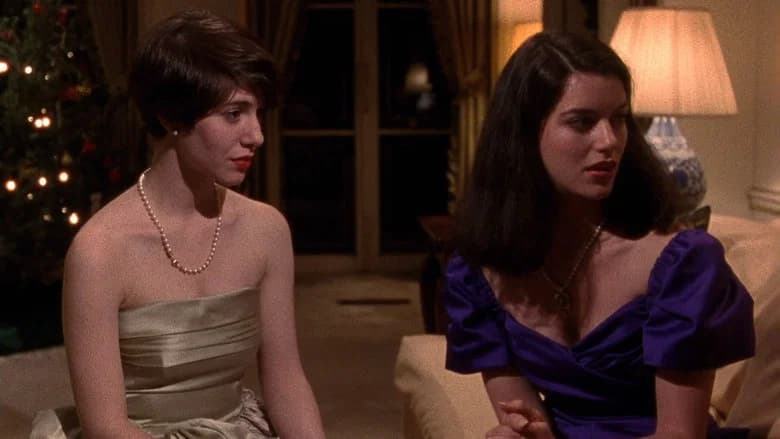
A radical student is adopted by a group of young New Yorkers, serves as a catalyst to alter his and their lives. Gathering in a Manhattan apartment, the group of friends meet to discuss social mobility, Fourier's socialism and play bridge in their cocoon of upper-class society - until they are joined by a man with a critical view of their way of life.
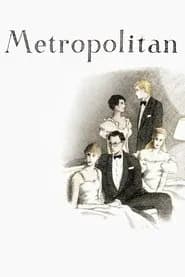
A radical student is adopted by a group of young New Yorkers, serves as a catalyst to alter his and their lives. Gathering in a Manhattan apartment, the group of friends meet to discuss social mobility, Fourier's socialism and play bridge in their cocoon of upper-class society - until they are joined by a man with a critical view of their way of life.
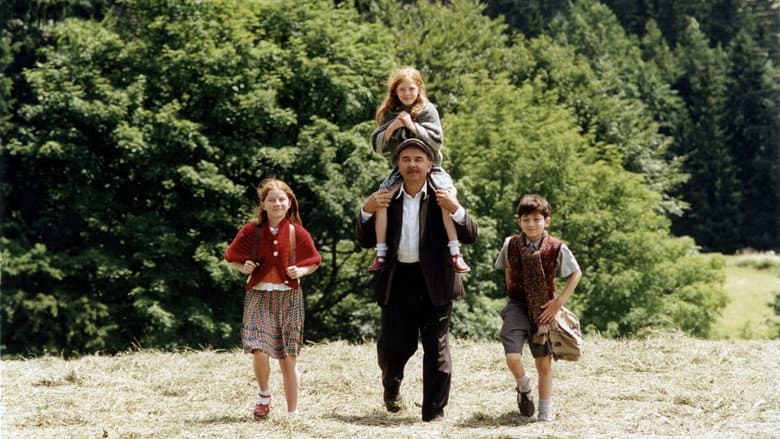
In 1942, in an occupied Paris, the apolitical grocer Edmond Batignole lives with his wife and daughter in a small apartment in the building of his grocery. When his future son-in-law and collaborator of the German Pierre-Jean Lamour calls the Nazis to arrest the Jewish Bernstein family, they move to the confiscated apartment. Some days later, the young Simon Bernstein escapes from the Germans and comes to his former home. When Batignole finds him, he feels sorry for the boy and lodges him, hiding Simon from Pierre-Jean and also from his wife. Later, two cousins of Simon meet him in the cellar of the grocery. When Pierre-Jean finds the children, Batignole decides to travel with the children to Switzerland.
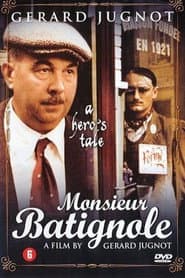
In 1942, in an occupied Paris, the apolitical grocer Edmond Batignole lives with his wife and daughter in a small apartment in the building of his grocery. When his future son-in-law and collaborator of the German Pierre-Jean Lamour calls the Nazis to arrest the Jewish Bernstein family, they move to the confiscated apartment. Some days later, the young Simon Bernstein escapes from the Germans and comes to his former home. When Batignole finds him, he feels sorry for the boy and lodges him, hiding Simon from Pierre-Jean and also from his wife. Later, two cousins of Simon meet him in the cellar of the grocery. When Pierre-Jean finds the children, Batignole decides to travel with the children to Switzerland.
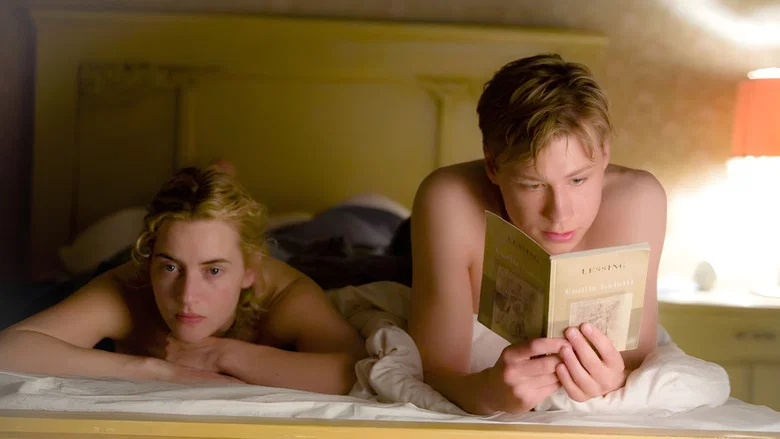
The story of Michael Berg, a German lawyer who, as a teenager in the late 1950s, had an affair with an older woman, Hanna, who then disappeared only to resurface years later as one of the defendants in a war crimes trial stemming from her actions as a concentration camp guard late in the war. He alone realizes that Hanna is illiterate and may be concealing that fact at the expense of her freedom.

The story of Michael Berg, a German lawyer who, as a teenager in the late 1950s, had an affair with an older woman, Hanna, who then disappeared only to resurface years later as one of the defendants in a war crimes trial stemming from her actions as a concentration camp guard late in the war. He alone realizes that Hanna is illiterate and may be concealing that fact at the expense of her freedom.
Feeling suffocated by a possessive boyfriend, work and suburban life, a young woman starts spending the weekends in her Paris apartment in order to reclaim some of her lost freedom.

Feeling suffocated by a possessive boyfriend, work and suburban life, a young woman starts spending the weekends in her Paris apartment in order to reclaim some of her lost freedom.
A poor French teenage girl engages in an illicit affair with a wealthy Chinese heir in 1920s Saigon. For the first time in her young life she has control, and she wields it deftly over her besotted lover throughout a series of clandestine meetings and torrid encounters.

A poor French teenage girl engages in an illicit affair with a wealthy Chinese heir in 1920s Saigon. For the first time in her young life she has control, and she wields it deftly over her besotted lover throughout a series of clandestine meetings and torrid encounters.
 JUST OUT
 JUST OUT
 JUST OUT
 JUST OUT
 FRESH
FRESH FRESH
FRESH FRESH
FRESH