Gérard Jugnot
Edmond Batignole
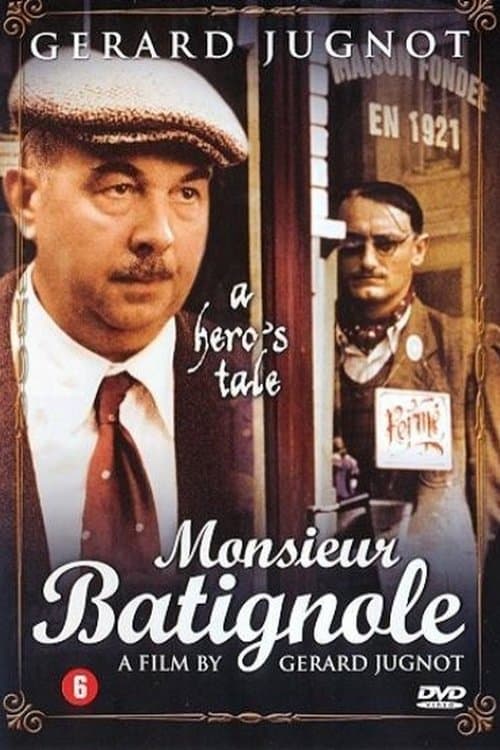
“Monsieur Batignole (2002) is a 2000s French period comedy-drama that stages moral compromise in occupied Paris through a domestic lens. The film’s dramatic engine is an ordinary grocer sheltering a Jewish child while living beside a collaborator, rendered in tight domestic compositions and a measured pace. Monsieur Batignole argues that small permissions and private mercies are where civic responsibility is tested, leaving a lingering ethical ambivalence.”
This film reflects on moral dilemmas through the lens of a Parisian grocer navigating the Nazi occupation. Its intimate framing highlights personal sacrifices and ethical quandaries, presenting a quietly complex portrait of resistance. Ideal for viewers who appreciate subtlety in storytelling amidst historical conflict.

Jules Sitruk
Simon Bernstein

Michèle Garcia
Marguerite Batignole

Jean-Paul Rouve
Pierre-Jean Lamour

Alexia Portal
Micheline Batignole

Violette Blanckaert
Sarah Cohen

Daphné Baiwir
Guila Cohen

Götz Burger
SS Col. Spreich

Élisabeth Commelin
Irène

Hubert Saint-Macary
Gendarmerie lieutenant
Gérard Jugnot
Director

Hervé Ruet
First Assistant Director
Laurence Couturier
Script Supervisor
Nicolas Herdt
Camera Operator
Gérard Jugnot
Screenplay

Philippe Lopes-Curval
Screenplay
Gérard Jugnot
Producer

Dominique Farrugia
Producer
Olivier Granier
Producer
Claude Parnet
Production Manager
Gérard Simon
Director of Photography
Nicolas Herdt
Camera Operator

Catherine Kelber
Editor

Khalil Chahine
Original Music Composer

Jean-Louis Povéda
Production Design

Martine Rapin
Costume Design
Annie Thiellement
Costume Design
Lucía Bretones-Méndez
Key Makeup Artist
Gil Allan
Key Makeup Artist

Michel Kharat
Sound

Claude Villand
Sound Mixer
Jean Gargonne
Sound Editor

Rodolphe Chabrier
Visual Effects Supervisor

Françoise Menidrey
Casting

Sandra Mainguené
Casting
In occupied Paris, an actress wed to a Jewish theater owner must keep him hidden from the Nazis while doing both of their jobs.
In a rural French village, an old man and his only remaining relative cast their covetous eyes on an adjoining vacant property. They need its spring water for growing their flowers, and are dismayed to hear that the man who has inherited it is moving in. They block up the spring and watch as their new neighbour tries to keep his crops watered from wells far afield through the hot summer. Though they see his desperate efforts are breaking his health and his wife and daughter's hearts, they think only of getting the water.
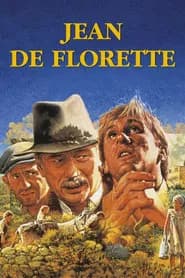
In a rural French village, an old man and his only remaining relative cast their covetous eyes on an adjoining vacant property. They need its spring water for growing their flowers, and are dismayed to hear that the man who has inherited it is moving in. They block up the spring and watch as their new neighbour tries to keep his crops watered from wells far afield through the hot summer. Though they see his desperate efforts are breaking his health and his wife and daughter's hearts, they think only of getting the water.
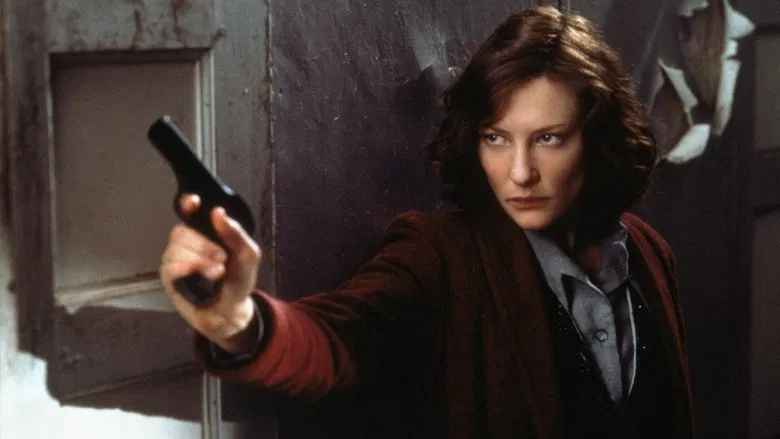
This is a drama set in Nazi-occupied France at the height of World War II. Charlotte Gray tells the compelling story of a young Scottish woman working with the French Resistance in the hope of rescuing her lover, a missing RAF pilot. Based on the best-selling novel by Sebastian Faulks.
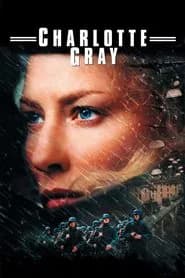
This is a drama set in Nazi-occupied France at the height of World War II. Charlotte Gray tells the compelling story of a young Scottish woman working with the French Resistance in the hope of rescuing her lover, a missing RAF pilot. Based on the best-selling novel by Sebastian Faulks.
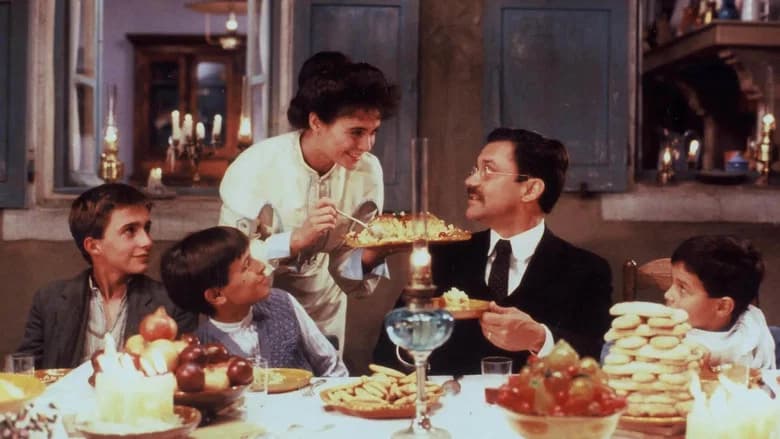
To his chagrin, young Marcel Pagnol and his family move back to their home in Marseille, France, far from their pastoral holiday cottage in the hills. Determined, Marcel makes the long voyage back to the cottage on foot and lands himself in trouble. One day Marcel's father discovers a shortcut to the cottage, but it requires trespassing. Despite their trepidations, Marcel and his family begin using the secret trail to reach their cottage.
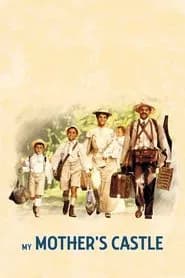
To his chagrin, young Marcel Pagnol and his family move back to their home in Marseille, France, far from their pastoral holiday cottage in the hills. Determined, Marcel makes the long voyage back to the cottage on foot and lands himself in trouble. One day Marcel's father discovers a shortcut to the cottage, but it requires trespassing. Despite their trepidations, Marcel and his family begin using the secret trail to reach their cottage.
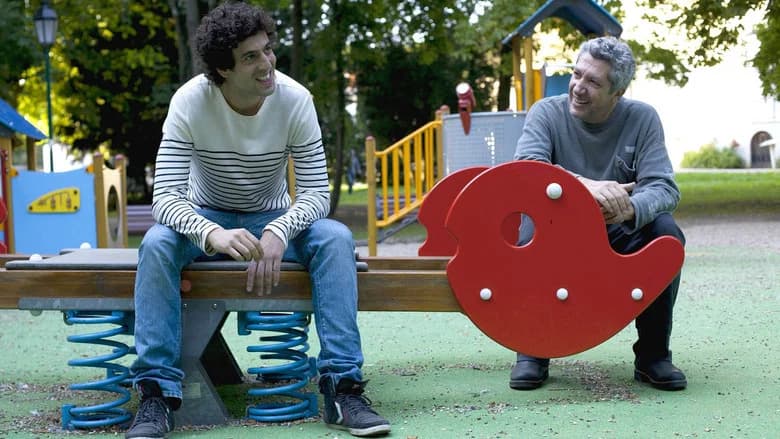
Newly engaged, Thomas meets his future father-in-law Gilbert, who has been married for 30 years to Suzanne. Disillusioned Gilbert is convinced that his marriage has meant he's missed out on life. He persuades Thomas not to marry his daughter Lola and encourages him to drop everything else in his life as well. The two men then throw themselves into a new brats' life full of adventure, convinced that freedom is elsewhere. But at what cost do we rediscover our adolescent dreams?

Newly engaged, Thomas meets his future father-in-law Gilbert, who has been married for 30 years to Suzanne. Disillusioned Gilbert is convinced that his marriage has meant he's missed out on life. He persuades Thomas not to marry his daughter Lola and encourages him to drop everything else in his life as well. The two men then throw themselves into a new brats' life full of adventure, convinced that freedom is elsewhere. But at what cost do we rediscover our adolescent dreams?
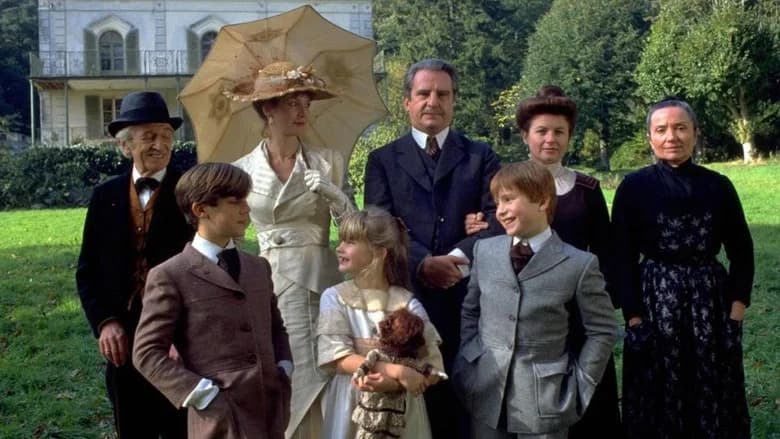
In France, before WWI. As every Sunday, an old painter living in the country is visited by his son Gonzague, coming with his wife and his three children. Then his daugther Irene arrives. She is always in a hurry, she lives alone and does not come so often... An intimist chronicle in which what is not shown, what is guessed, is more important than how it looks, dealing with what each character expects of life.
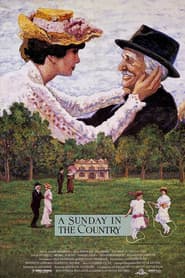
In France, before WWI. As every Sunday, an old painter living in the country is visited by his son Gonzague, coming with his wife and his three children. Then his daugther Irene arrives. She is always in a hurry, she lives alone and does not come so often... An intimist chronicle in which what is not shown, what is guessed, is more important than how it looks, dealing with what each character expects of life.
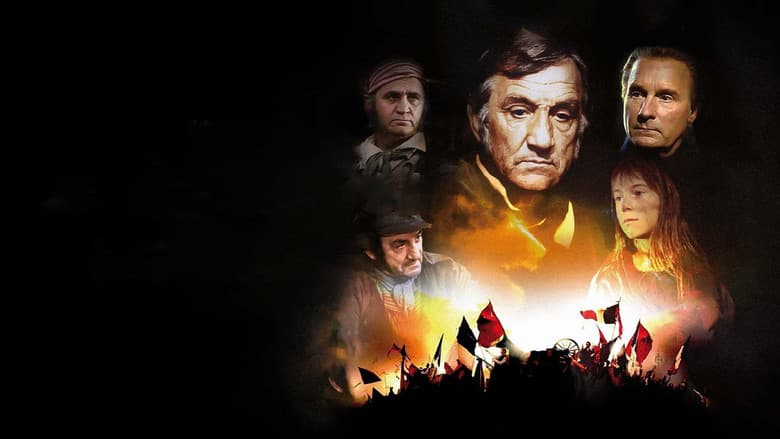
In 19th century France, Jean Valjean, a man imprisoned for stealing bread, must flee a relentless policeman named Javert. The pursuit consumes both men's lives, and soon Valjean finds himself in the midst of the student revolutions in France.
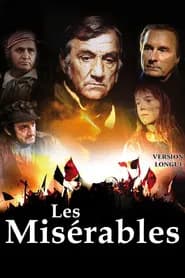
In 19th century France, Jean Valjean, a man imprisoned for stealing bread, must flee a relentless policeman named Javert. The pursuit consumes both men's lives, and soon Valjean finds himself in the midst of the student revolutions in France.
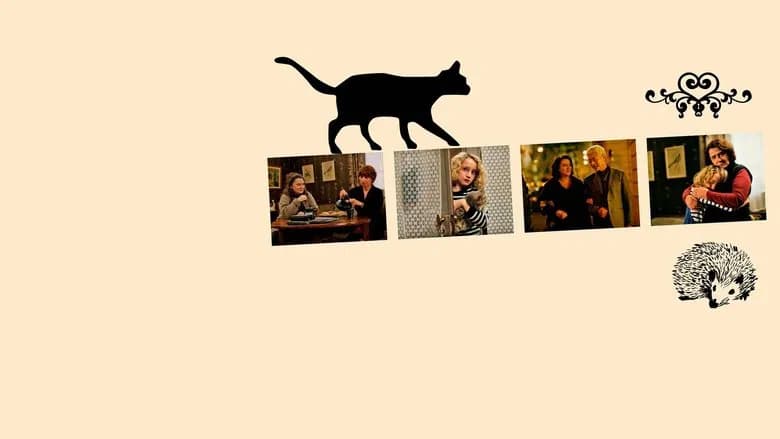
Paloma is a serious and highly articulate but deeply bored 11-year-old who has decided to kill herself on her 12th birthday. Fascinated by art and philosophy, she questions and documents her life and immediate circle, drawing trenchant and often hilarious observations on the world around her. But as her appointment with death approaches, Paloma finally meets some kindred spirits in her building's grumpy janitor and an enigmatic, elegant neighbor, both of whom inspire Paloma to question her rather pessimistic outlook on life.
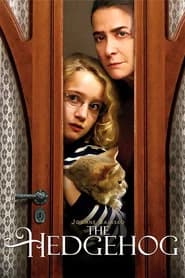
Paloma is a serious and highly articulate but deeply bored 11-year-old who has decided to kill herself on her 12th birthday. Fascinated by art and philosophy, she questions and documents her life and immediate circle, drawing trenchant and often hilarious observations on the world around her. But as her appointment with death approaches, Paloma finally meets some kindred spirits in her building's grumpy janitor and an enigmatic, elegant neighbor, both of whom inspire Paloma to question her rather pessimistic outlook on life.
 JUST OUT
 JUST OUT
 JUST OUT
 JUST OUT
 FRESH
FRESH FRESH
FRESH FRESH
FRESH